
Recently, we wrote about the fact that Glock USA halted production of nearly all pistol models from Generation 5 and earlier, replacing them with the “V Series.” The new line of Glocks, marked with the letter “V,” was supposed to be, at least according to reports and speculation, the manufacturer’s response to criticism and growing legal pressure related to the so-called Glock switch. The “switch” is a device that allows a semi-automatic Glock pistol to be converted into a firearm capable of fully automatic fire, effectively turning it into an SMG. Such a conversion is illegal in the U.S. (and in Poland as well), and possession of a switch constitutes a serious federal offense. Because of this, many people and groups suggested that Glock is changing its pistol design to make them “non-convertible”, so that a regular, legal firearm cannot be adapted for such a modification.
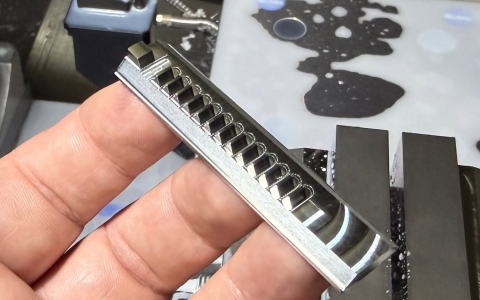
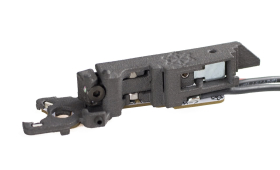
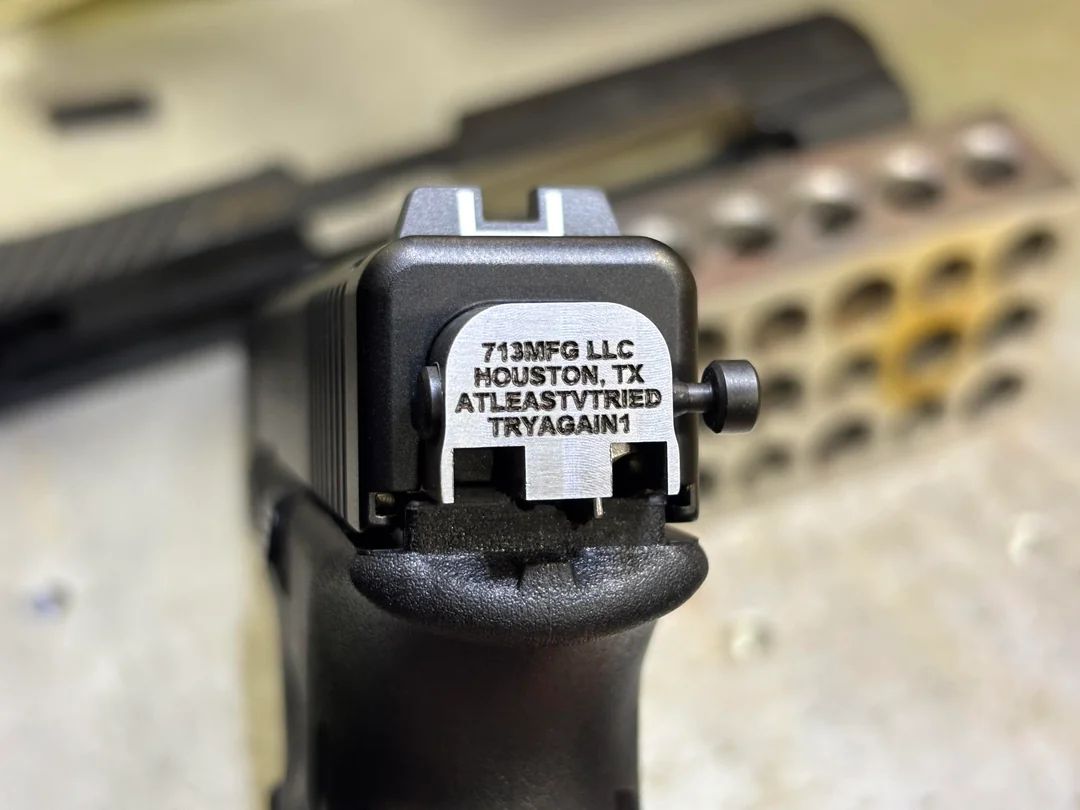
However, it will likely come as no surprise that the problem with the Glock switch has also, and perhaps primarily, reached the new V Series. There are already reports, photos, and videos showing that certain individuals have developed a new version of the switch compatible with the V Series. This means that one of the main arguments for introducing the V Series, preventing easy conversion, may already be, in practice, obsolete.
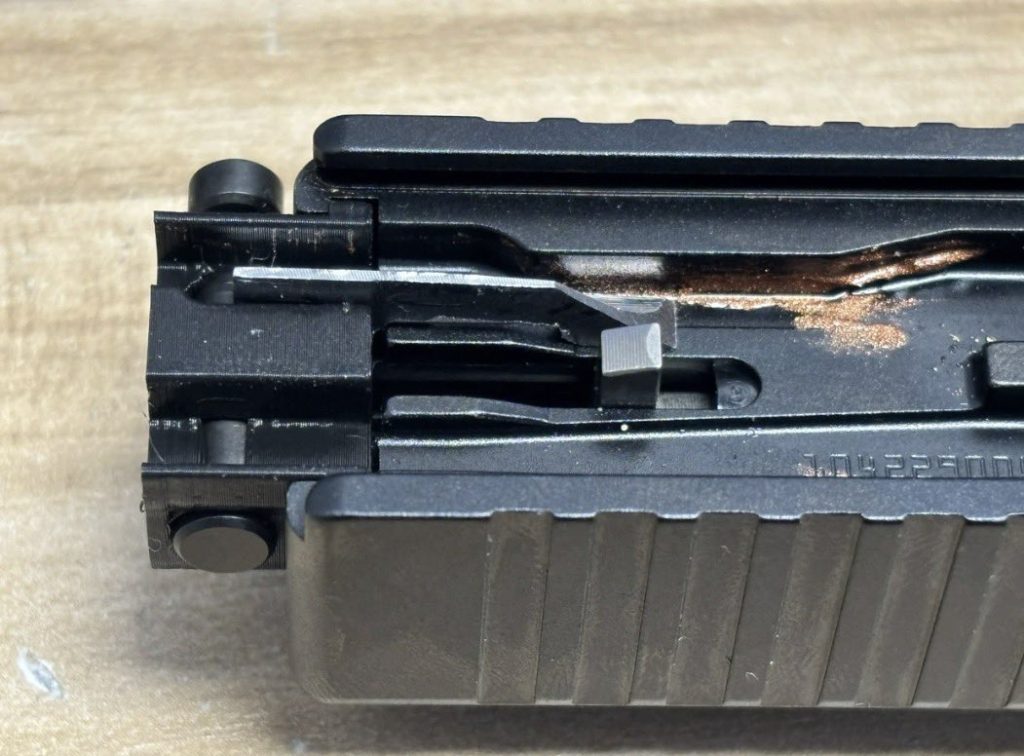
This fact undermines the rationale behind the entire concept of “non-convertible Glocks.” Instead of solving the problem, the situation rather illustrates how quickly the aftermarket industry, or individuals interested in circumventing the law, can react and adapt technologies to new conditions. For Glock, this means that if the introduction of the V Series was meant to serve as part of a legal defense or public-relations strategy, to show that the company is “doing something” to prevent misuse, the chances that it will truly solve anything appear very slim so far.
This news shows that even if the manufacturer changes the design, those interested in such modifications are capable of adapting enough to return to previous capabilities. It also means that the real issue does not lie (only) in the pistol’s design, but in the fact that there is demand for switch-type devices and that such conversions can be carried out, provided there is the will and the resources.