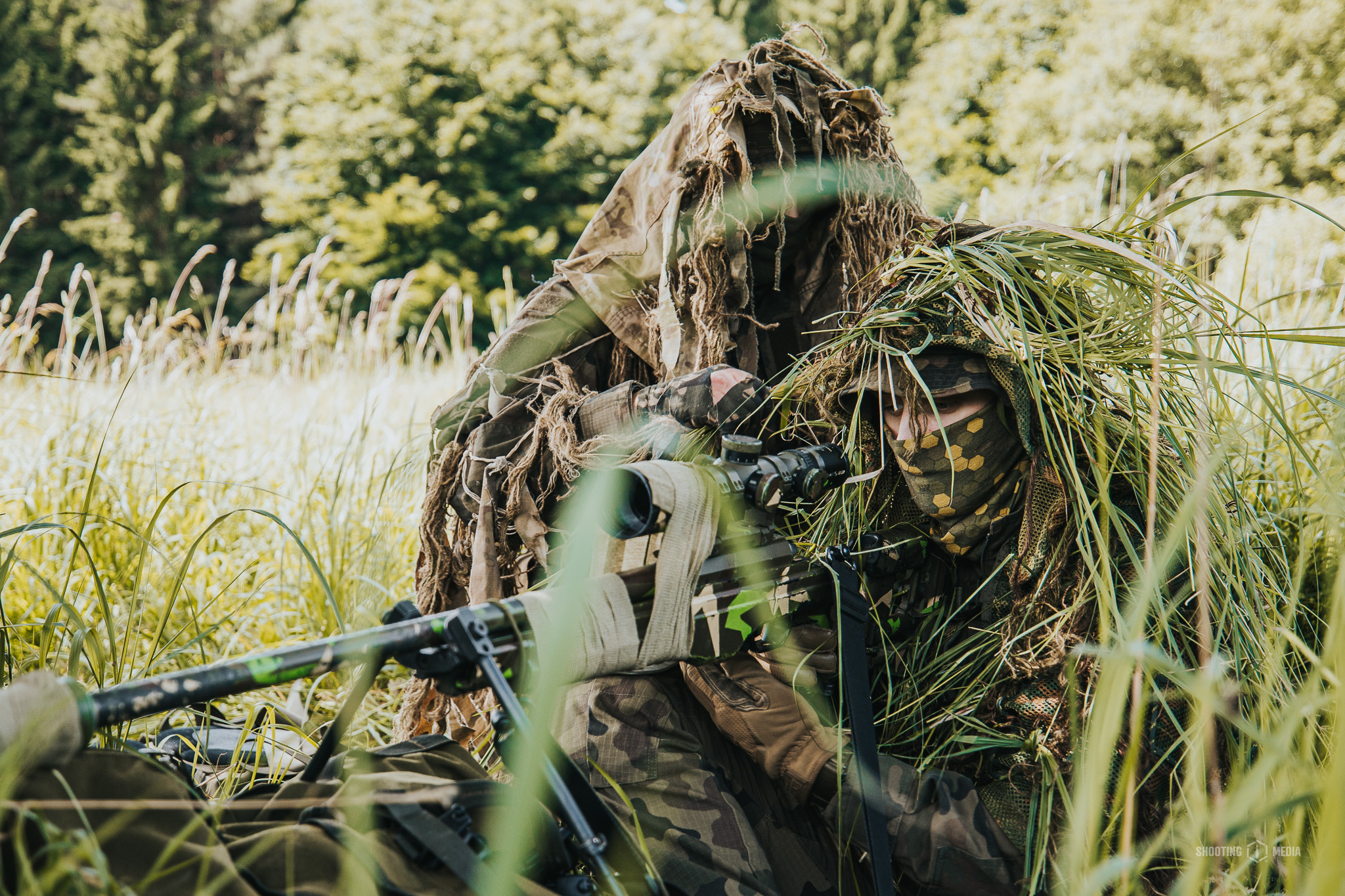
Tactical shooting competitions have firmly established themselves as a major part of the Polish shooting scene. The relatively straightforward firearms licensing process and regulations that are fairly liberal, especially compared to those of many other EU countries, regarding both the types and even the number of firearms that may be legally owned have contributed to the rapid growth of the shooting community and the variety of ways enthusiasts can pursue the sport. Perhaps this is also a reflection of today's uncertain times, or perhaps tactical shooting is simply more appealing than traditional competitive shooting disciplines, including dynamic ones. A friend once summed it up perfectly by saying that these competitions bring shooting closer to what many of us originally loved about airsoft. This is especially true for tactical shooting competitions, where participants must demonstrate not only marksmanship but also the ability to cover dozens of kilometers on foot while carrying their rifle, ammunition, and all of their equipment for two days, or even longer, amounting to roughly 30 kilograms of gear on their backs. They must also possess extensive military knowledge and practical skills, including combat casualty care, land navigation, and even drone operation. Above all, however, competitors need determination and the ability to shoot accurately under conditions of extreme fatigue. Unlike the one- or two-day tactical shooting matches held entirely on shooting ranges, these far more demanding "rucking" events are organized only a handful of times each year in Poland, and Delta Recon Squad is, in my opinion, one of the country's truly elite competitions.
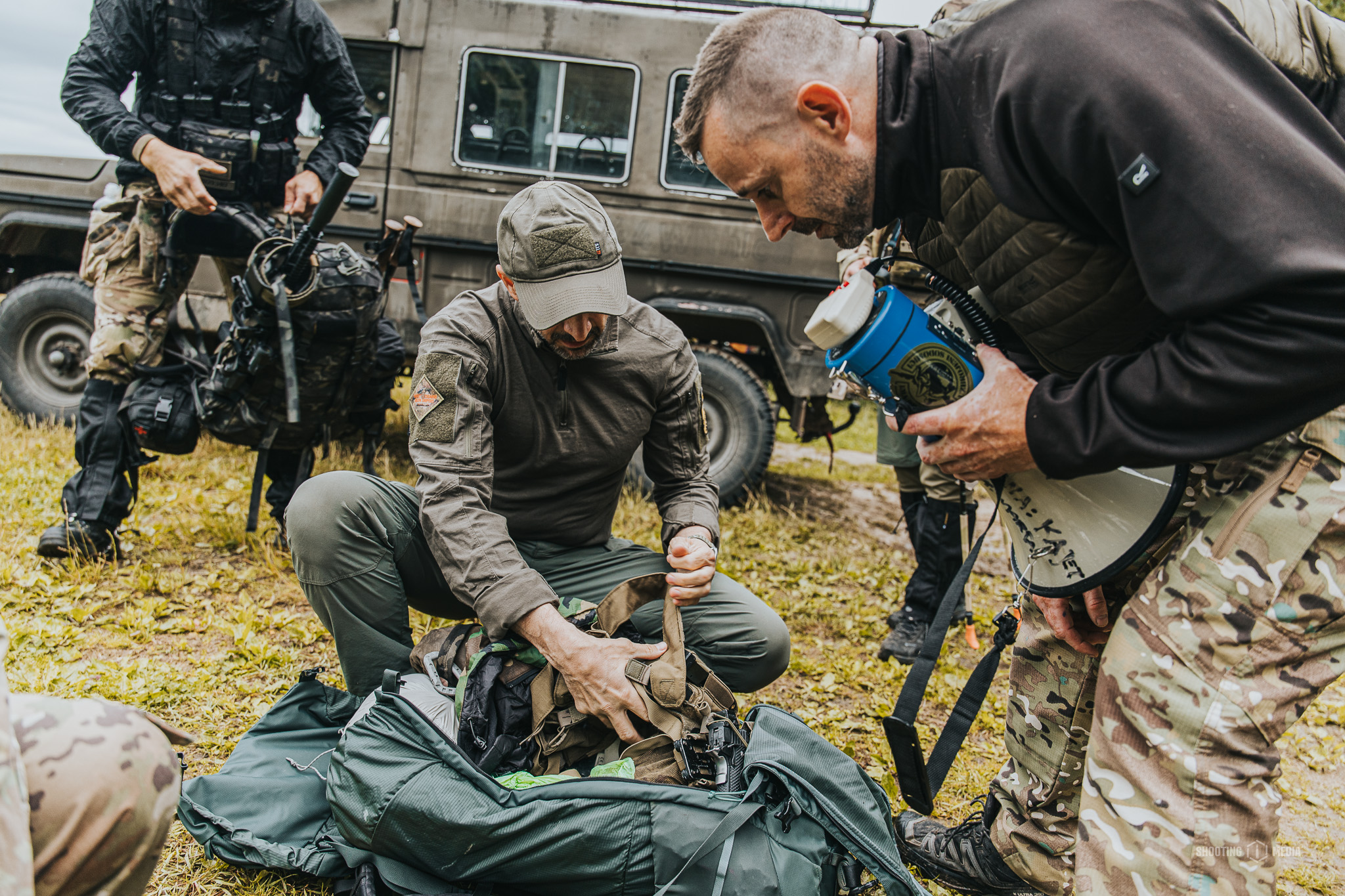
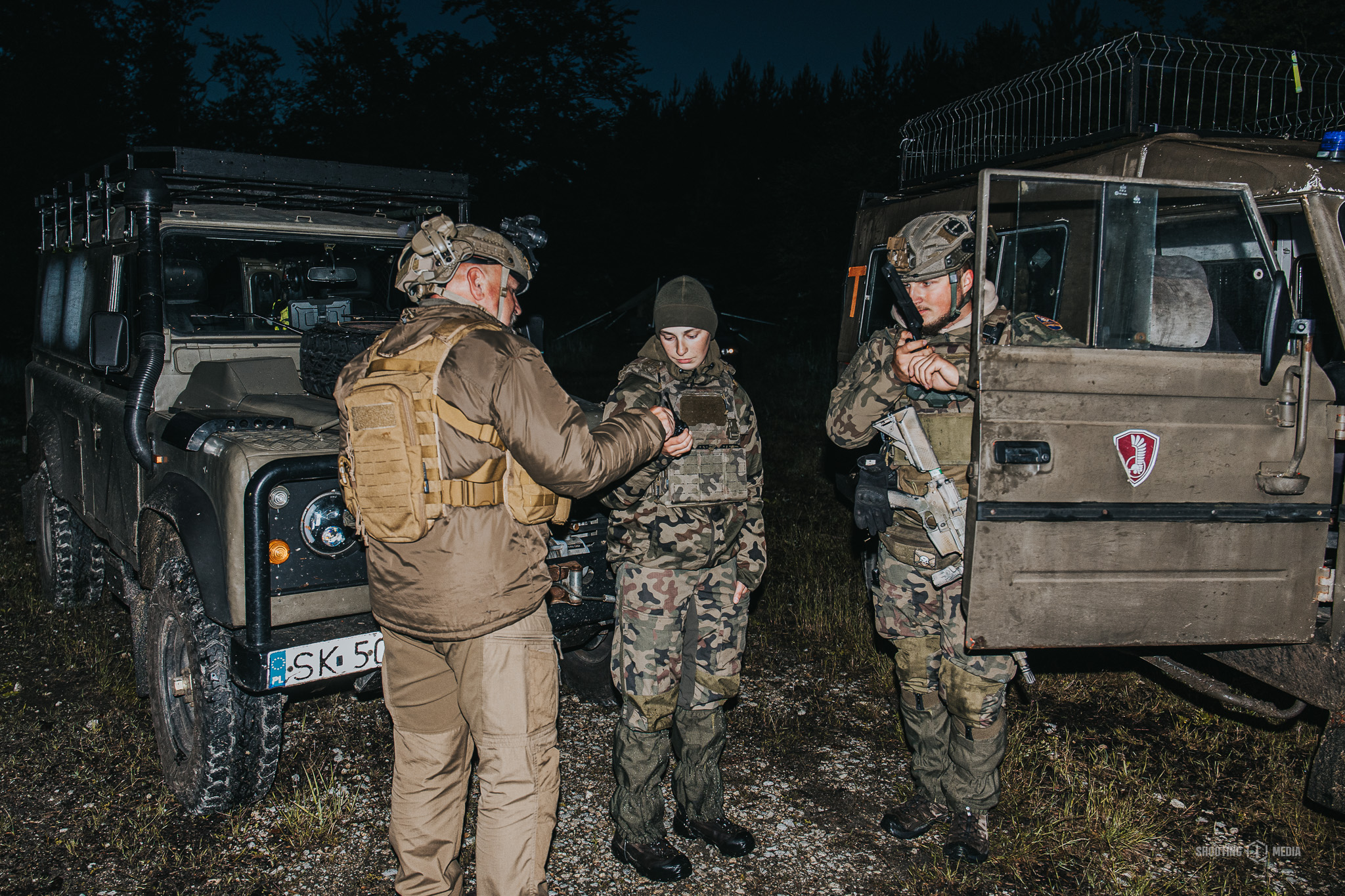
Mandatory equipment inspection
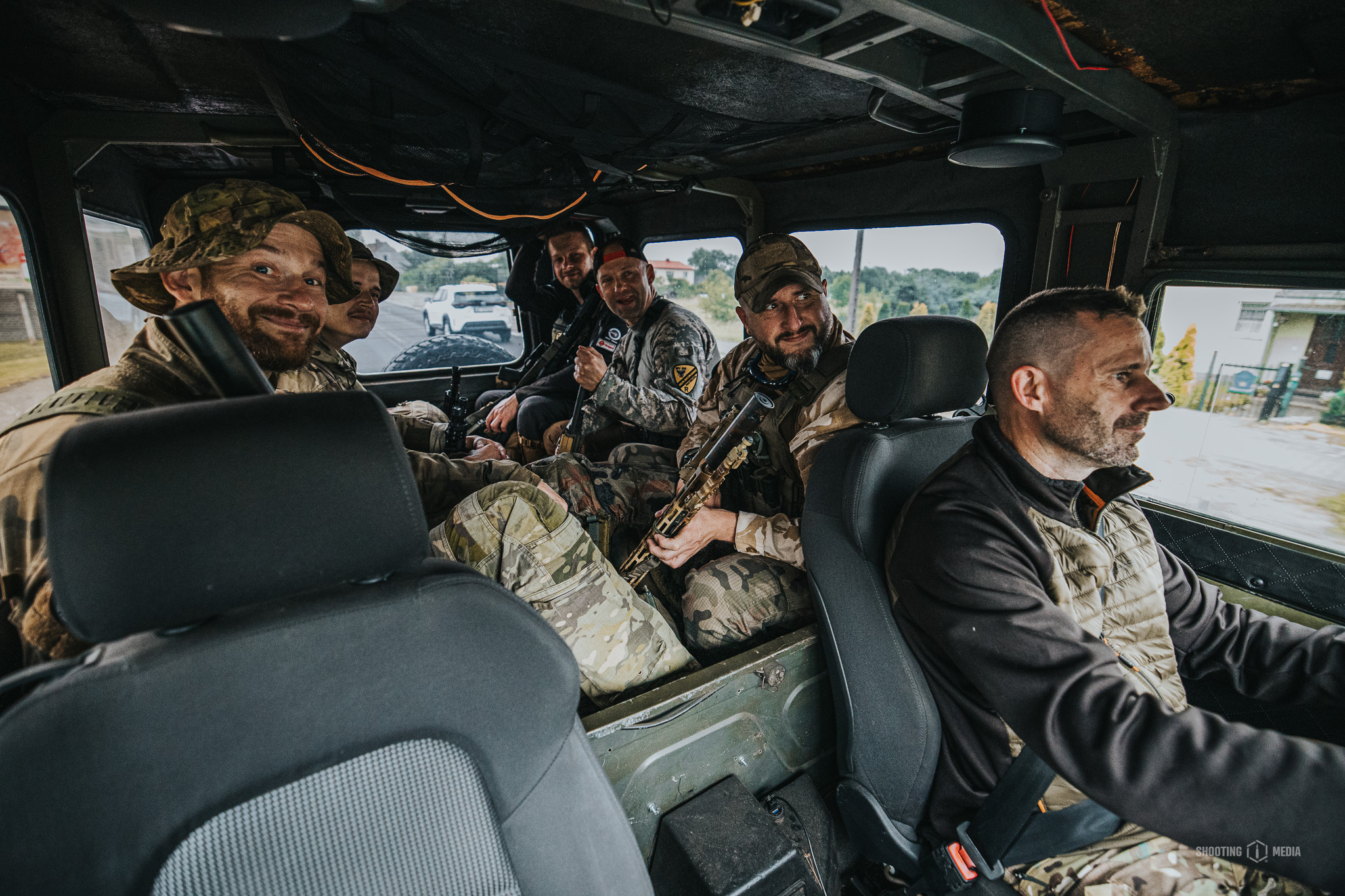
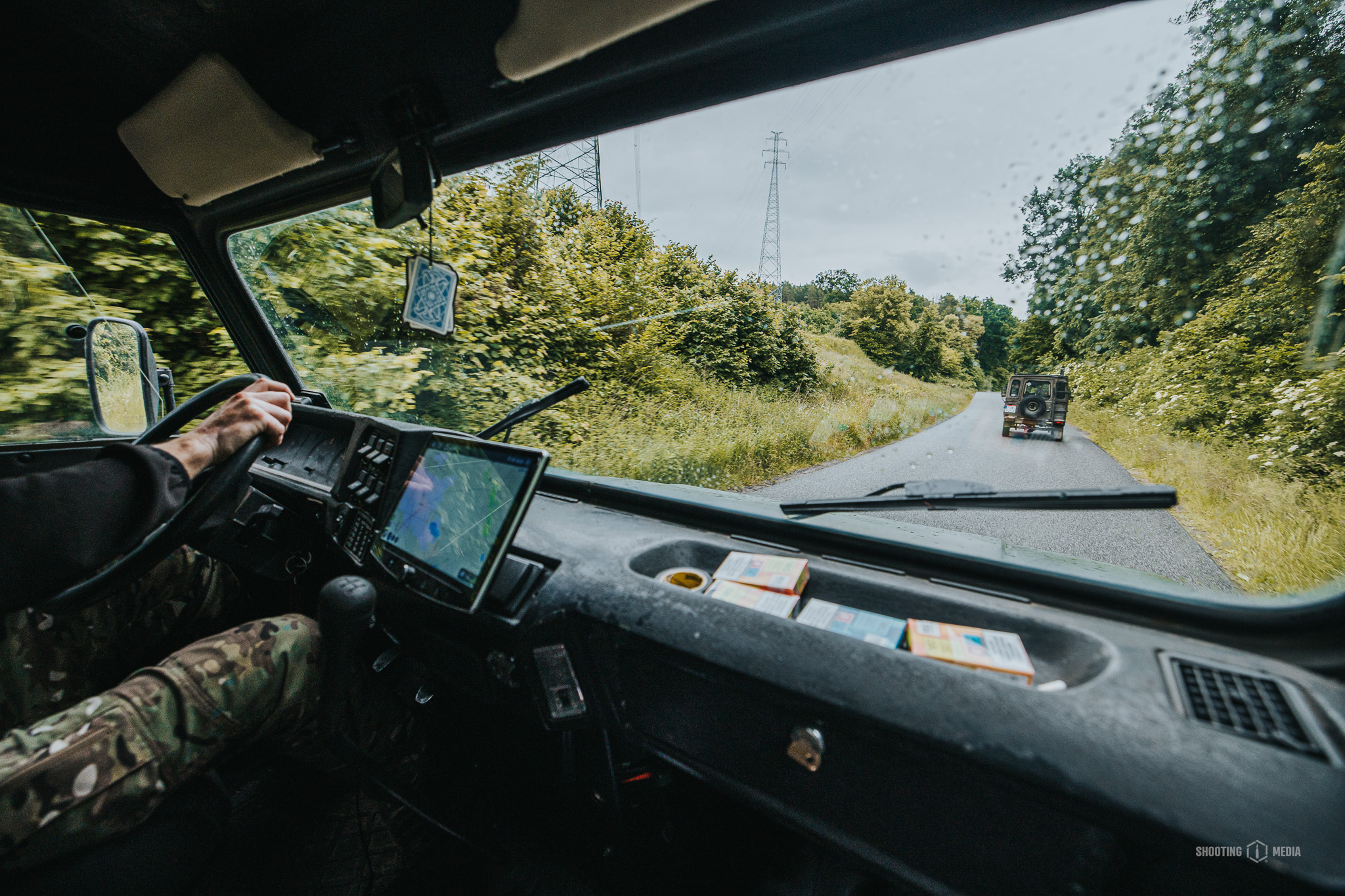
Transport to the starting point
Delta Recon Squad is a two-day competition held in the vicinity of Gorzów Wielkopolski, divided into a navigation-and-tactical phase followed by a shooting phase. This year's edition took place on June 13–14. Teams of two compete in one of two divisions, Recon or Sniper, which differ in both the navigation tasks and shooting challenges assigned to competitors. On the first morning, all participants are transported well away from the shooting range and must work their way back while completing navigation checkpoints and various tactical tasks. The shooting stages begin the following morning. This year, competitors started near Witnica, approximately 20 km from the range as the crow flies. In reality, however, by the time competitors reached the range after completing all of the required tasks, the distance covered was considerably greater. Our team completed 52 km, which took us just over 17 hours, while, for example, our friends from STS, who eventually finished on the podium, covered more than 62 km. Everything depends on the route chosen between checkpoints, and that decision is far from straightforward. Should you stick to roads, or navigate directly on an azimuth?
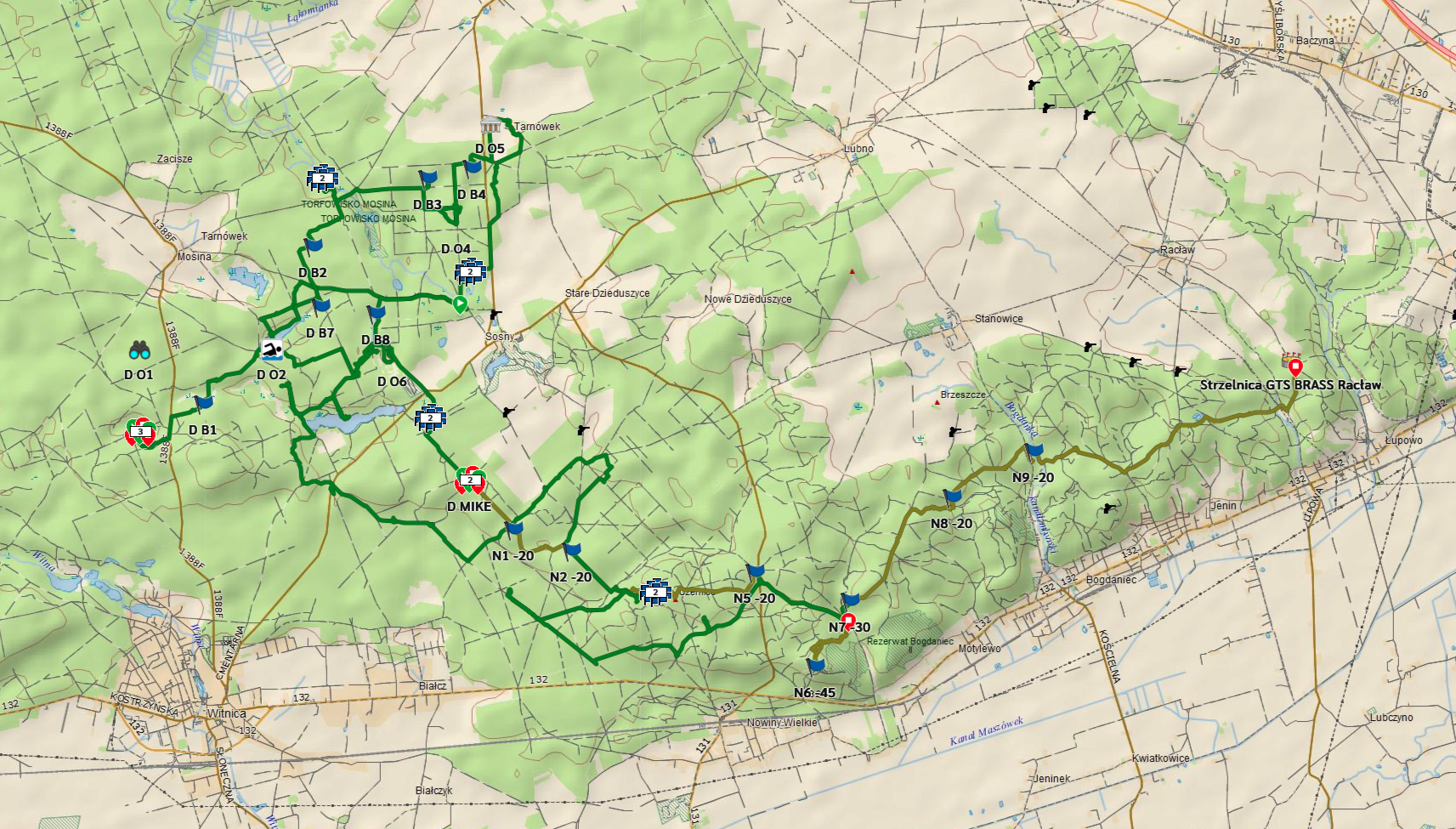
The author's team's route — 52 km completed in 17 hours
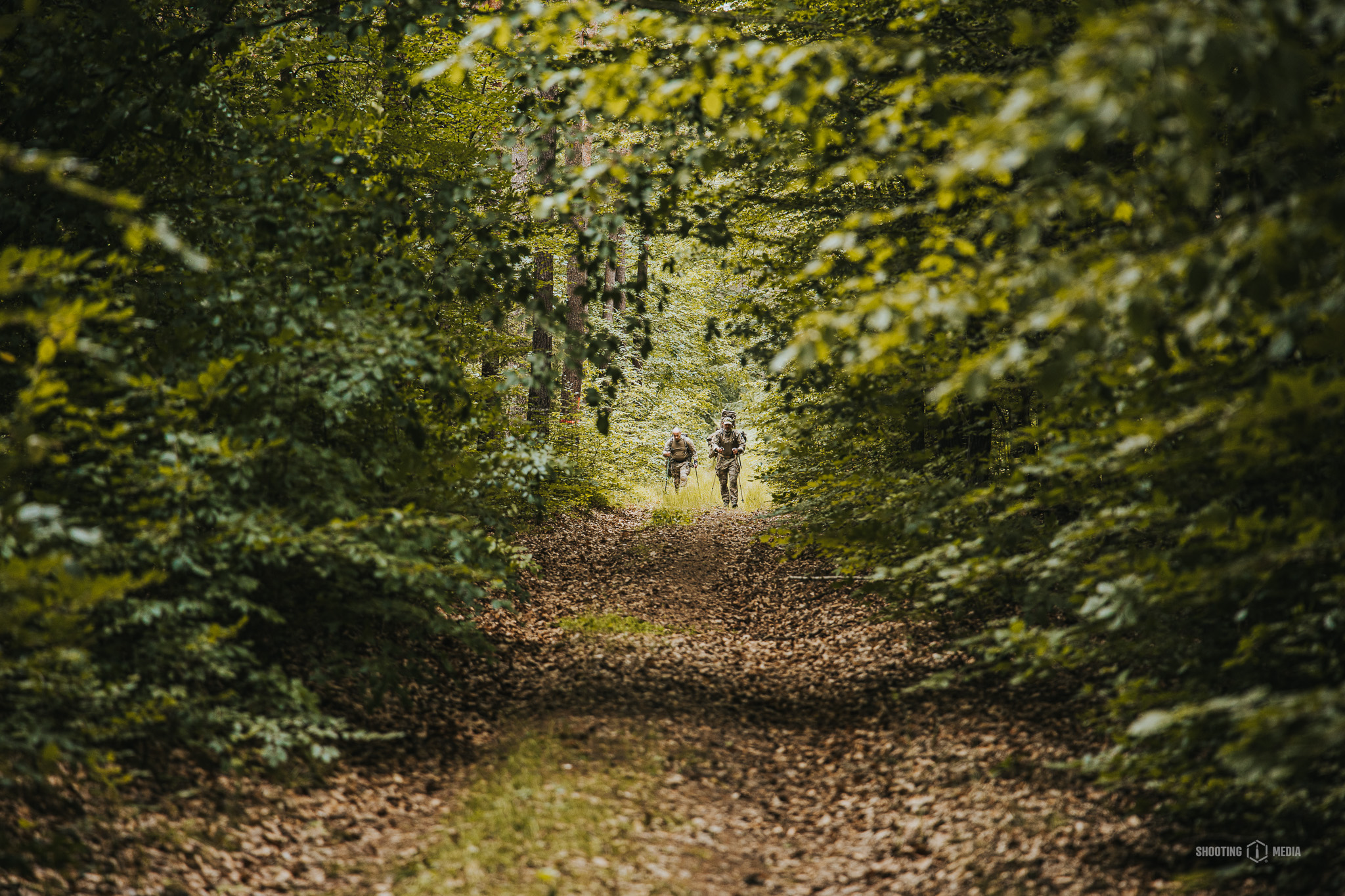
The March
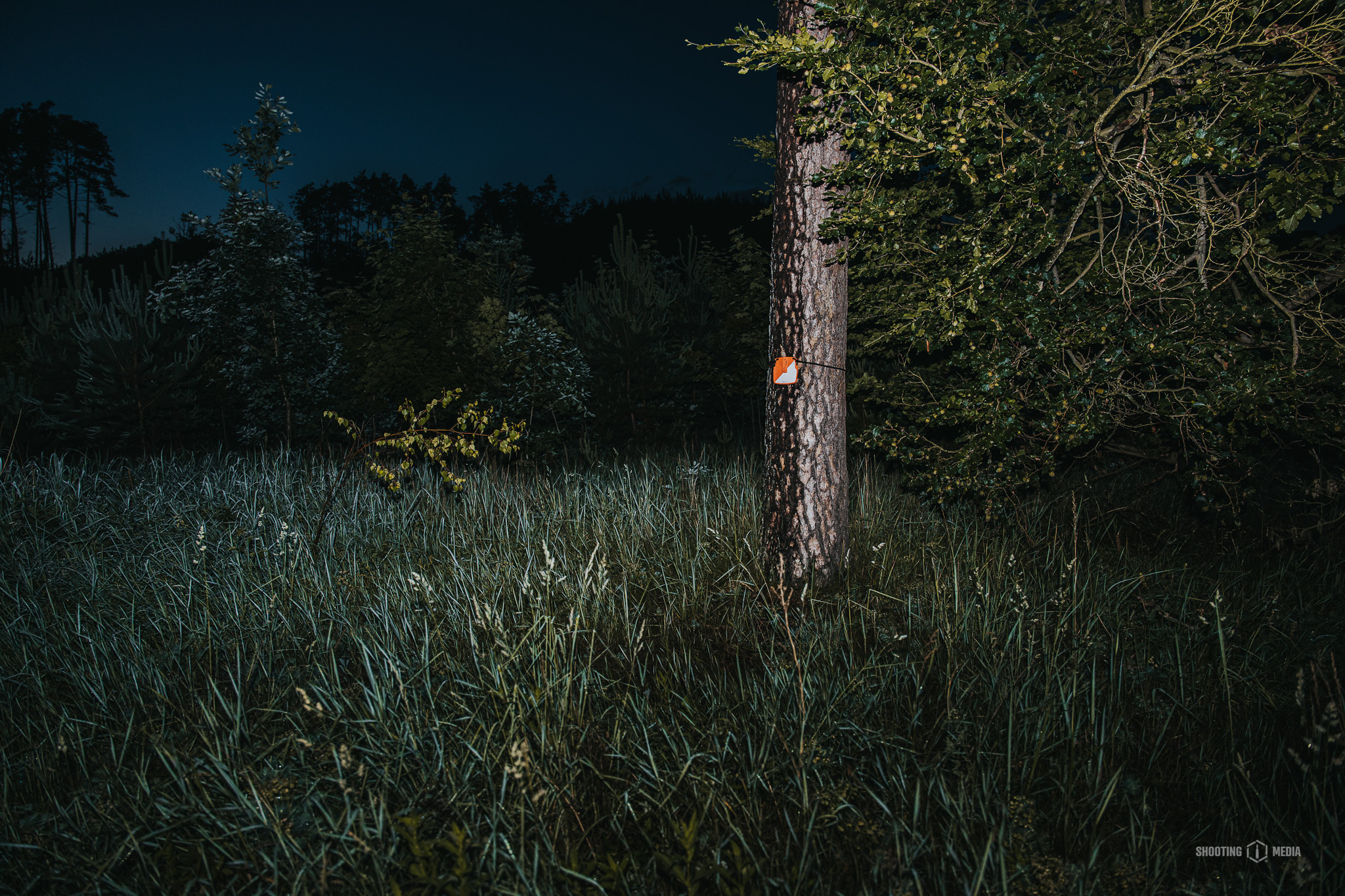
The navigation phase is divided into two stages, day and night, each consisting of six mandatory and ten bonus checkpoints. Judging by conversations with other competitors, this year's fourth edition featured the most demanding navigation course so far, particularly during the night stage. While marching, it often felt as though the organizers had deliberately saved every possible hill along the route for the night section, while the checkpoints themselves were hidden exceptionally well, or, according to some competitors, downright deviously. As a result, plenty of colorful comments could be heard from exhausted participants struggling uphill. Compared to last year's edition, an additional challenge was introduced: every checkpoint required a selfie clearly showing both members of the team. In practice, locating the checkpoints without reliable navigation equipment, preferably cross-checking readings from several devices due to the dense forests, where one device would often be accurate while another would not, would have been almost impossible, especially after dark. Our team relied on a handheld Garmin GPS, Garmin watches, and navigation apps running on two smartphones, allowing us to locate each checkpoint with approximately one-meter accuracy. There was little room for intuition, at least until we started thinking the opposite way: "Where would I hide it if I wanted to have some fun watching people search for it?"
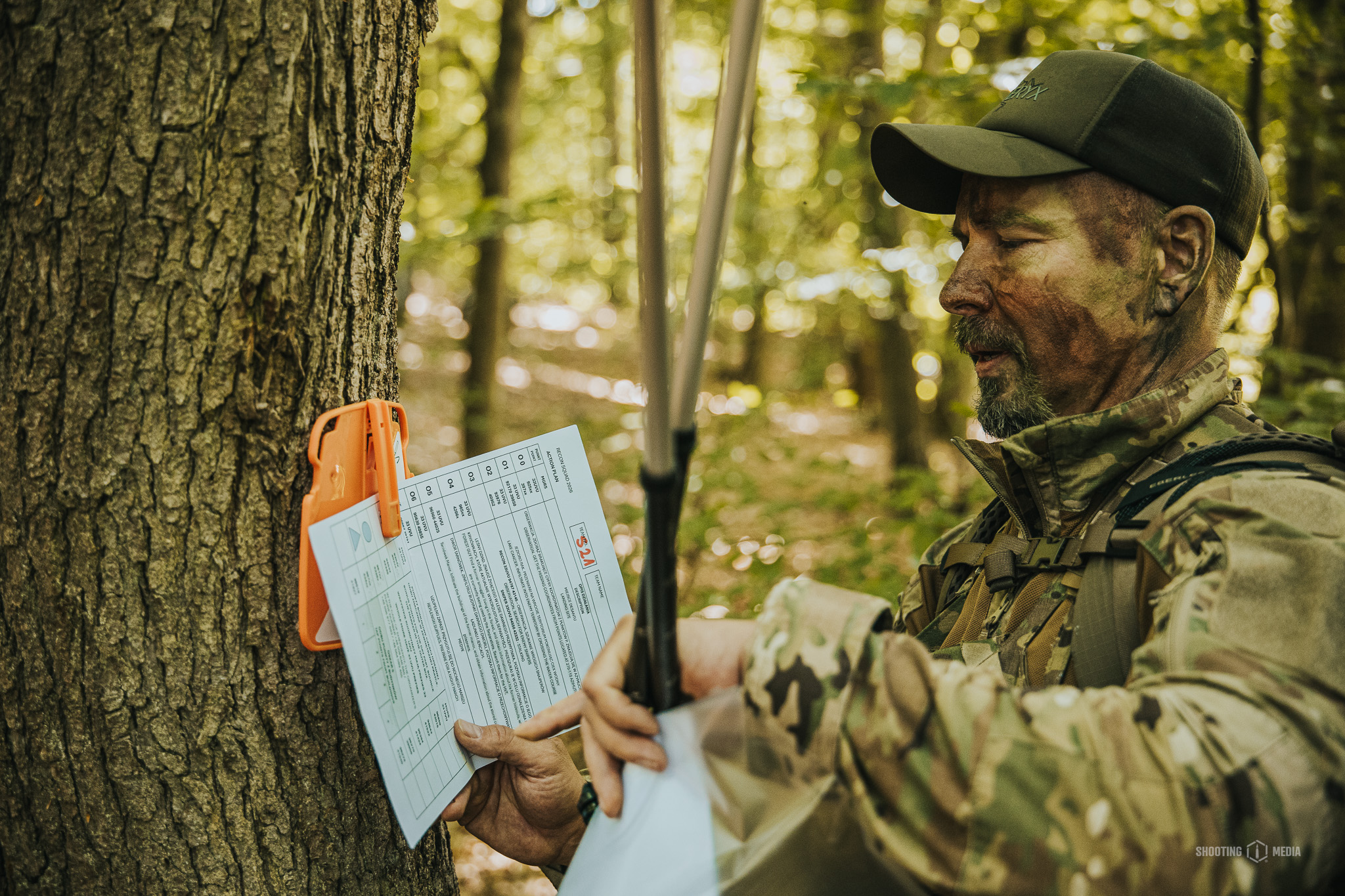
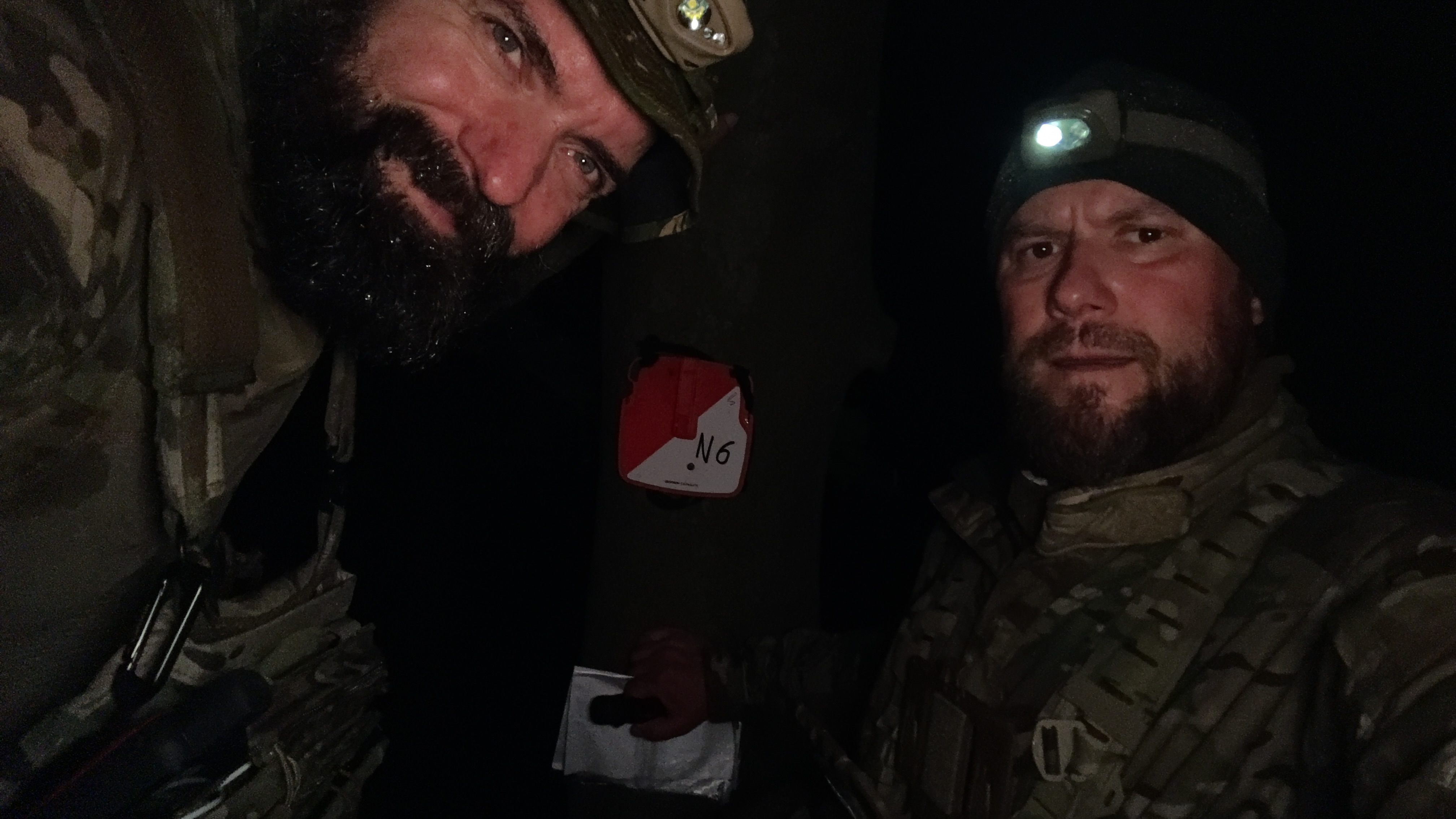
Mandatory verification selfie at one of the checkpoints — the author's team during the night stage
The daytime stage was much more enjoyable. The weather remained favorable for most of the day, apart from one afternoon downpour that put every pair of boots to the test, while the terrain itself was significantly flatter. It was also more mentally engaging, as this was where the organizers placed the tactical challenge loop. And this year, they truly outdid themselves. Having followed the event since its second edition, first as a photographer and now as a competitor, I can confidently say that this was the best tactical task lineup so far. The entire sequence fit into a coherent storyline involving infiltrating enemy territory to rescue a captured teammate, adding an extra layer of immersion and motivation. There were six mandatory field tasks in total. The first challenge began at an observation tower, where competitors had to correctly determine the missing coordinates of four navigation checkpoints hidden in the surrounding vegetation at distances ranging from 50 to 200 meters.
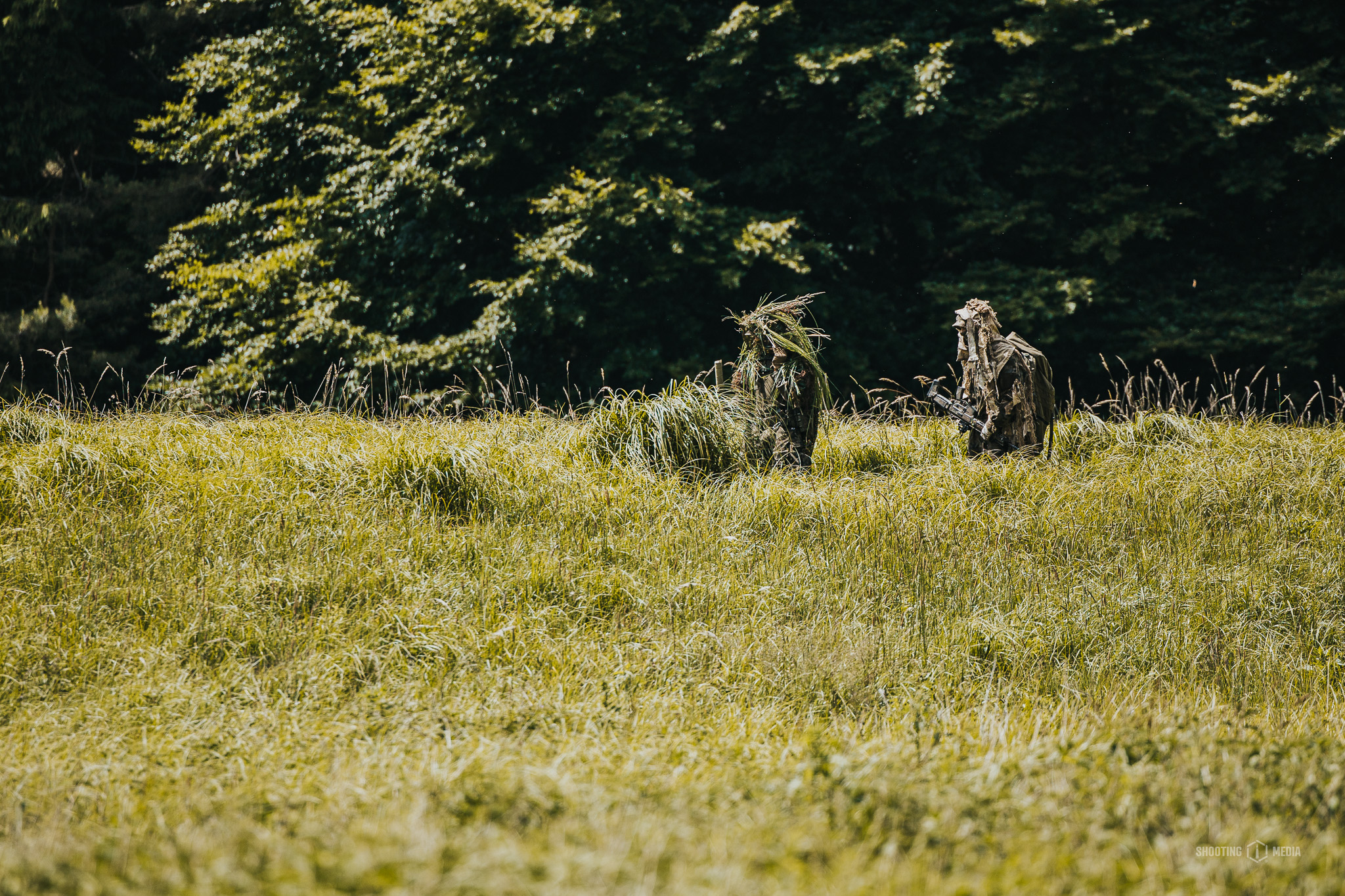
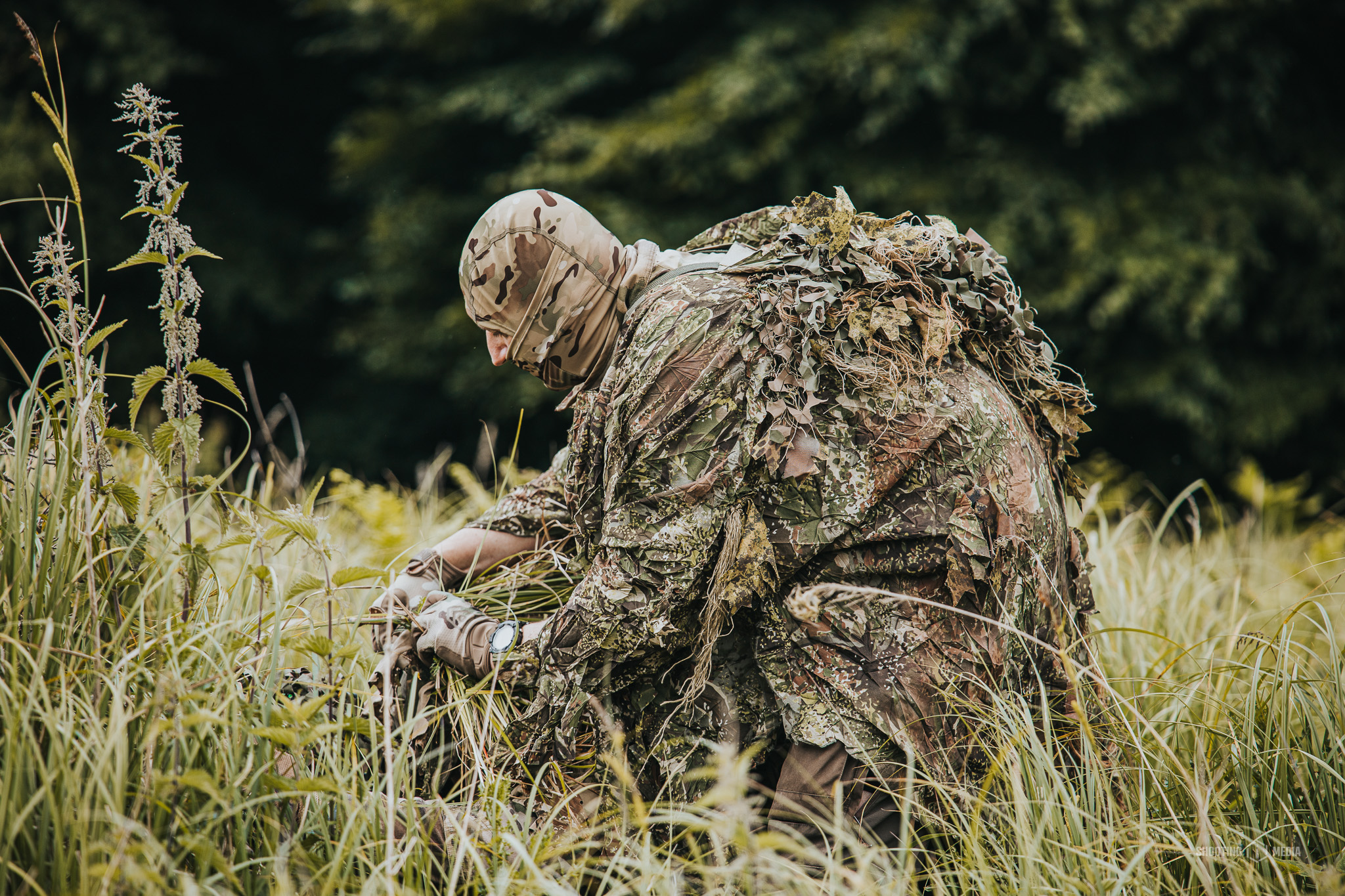
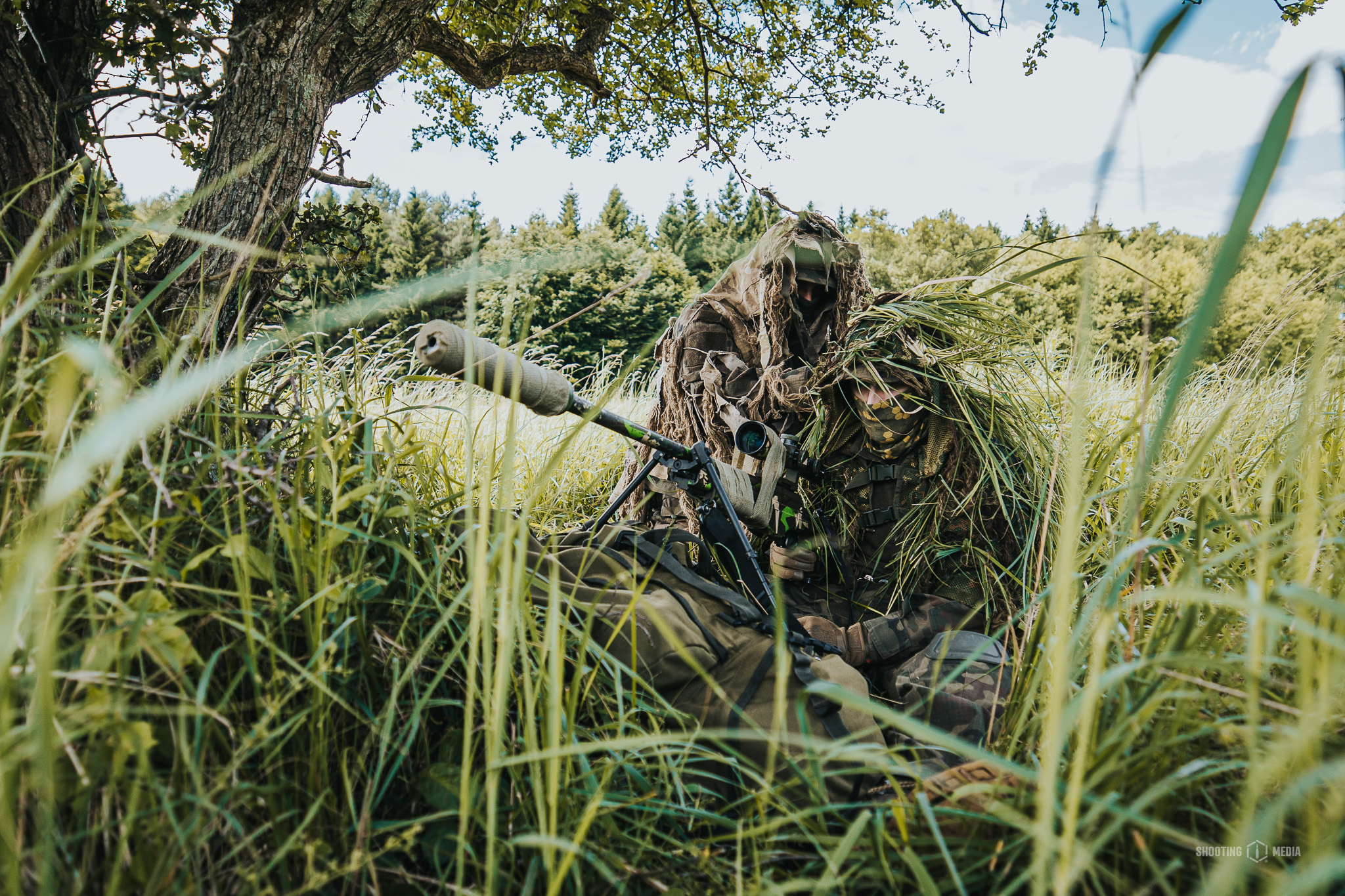
Preparing for the sniper task
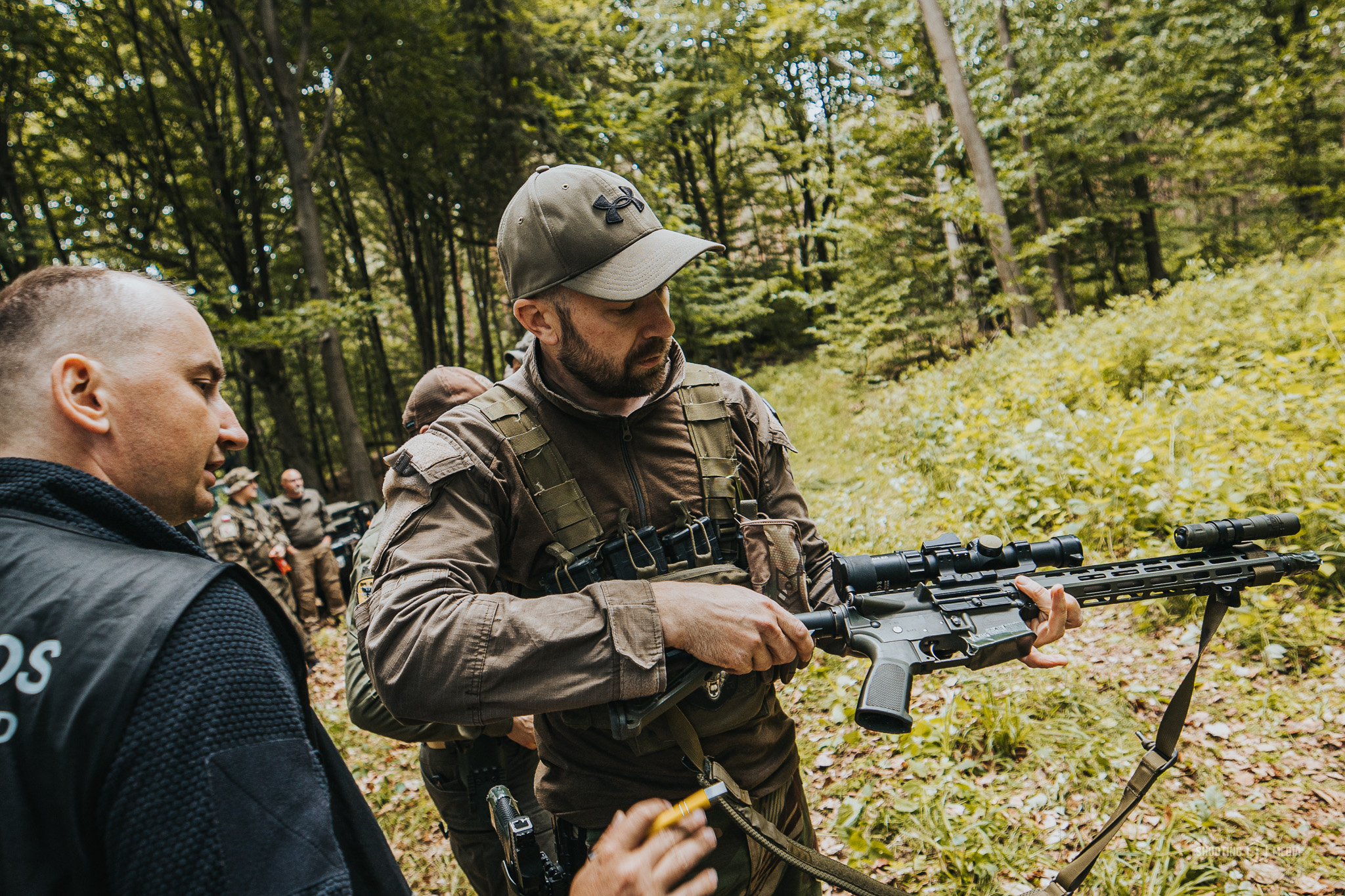
Safety Check – inspection of firearms before beginning the task
One of the more challenging tasks revolved around the so-called "Forest Hermit". After solving a puzzle, competitors were handed three small-scale map sections showing the approximate locations of several checkpoints. The twist was that the maps were LiDAR terrain maps, displaying the surrounding area as a three-dimensional terrain model. Upon returning to the "Forest Hermit," participants were subtly directed to pay attention to the interior décor of the room they had just visited. This was an indirect hint regarding the appearance of the HVT (High Value Target) they would encounter during one of the shooting stages on the following day.
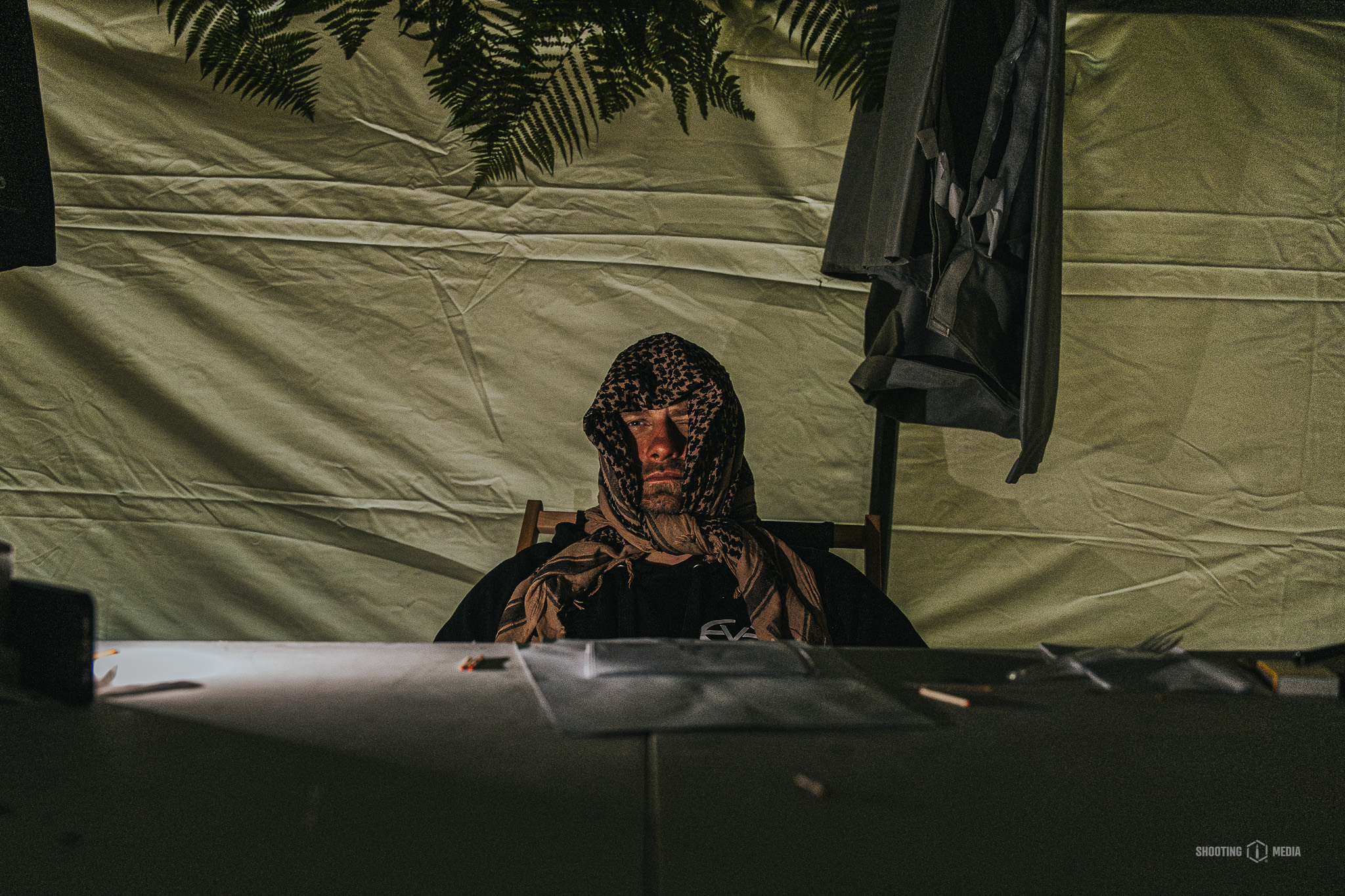
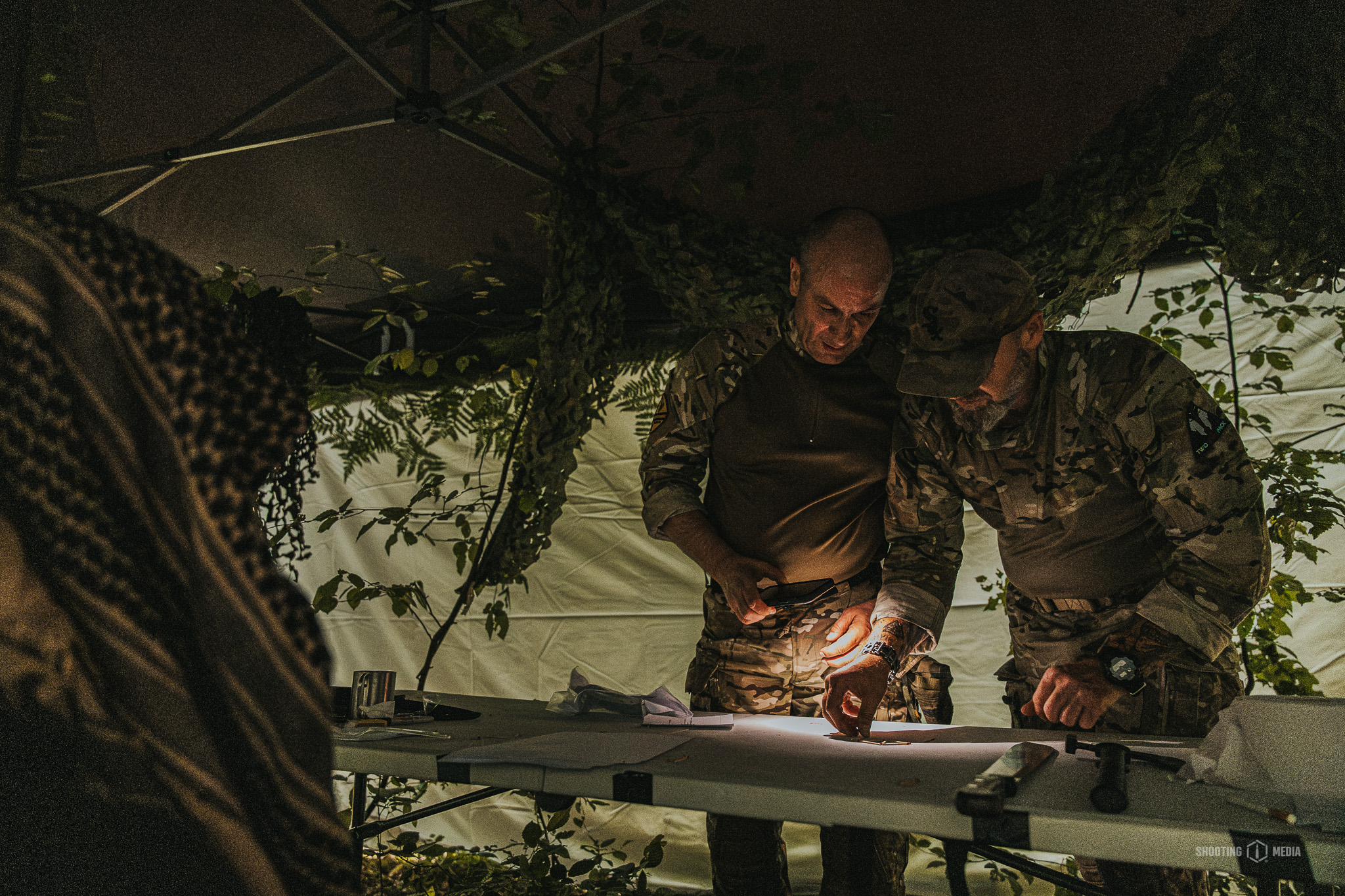
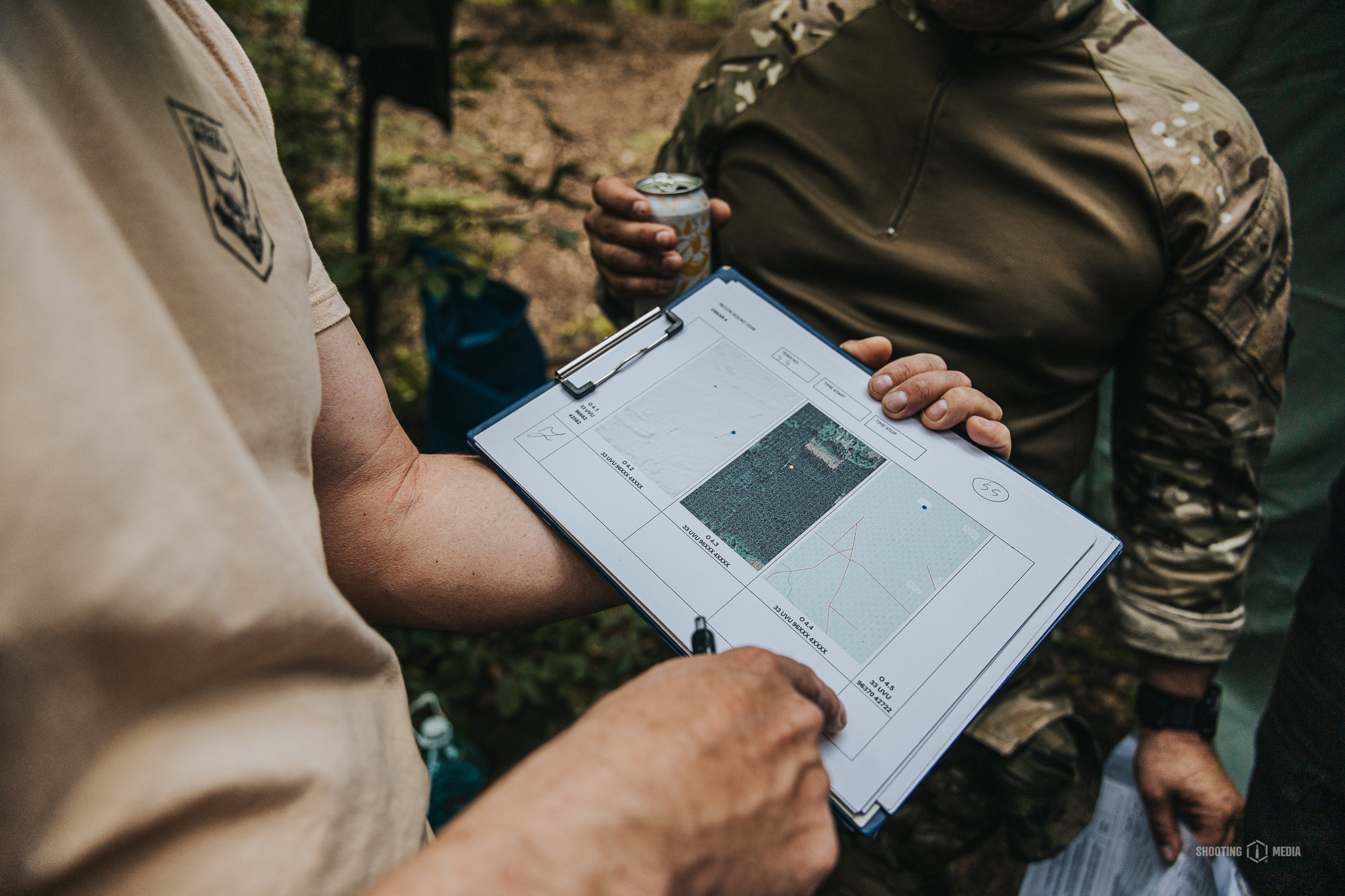
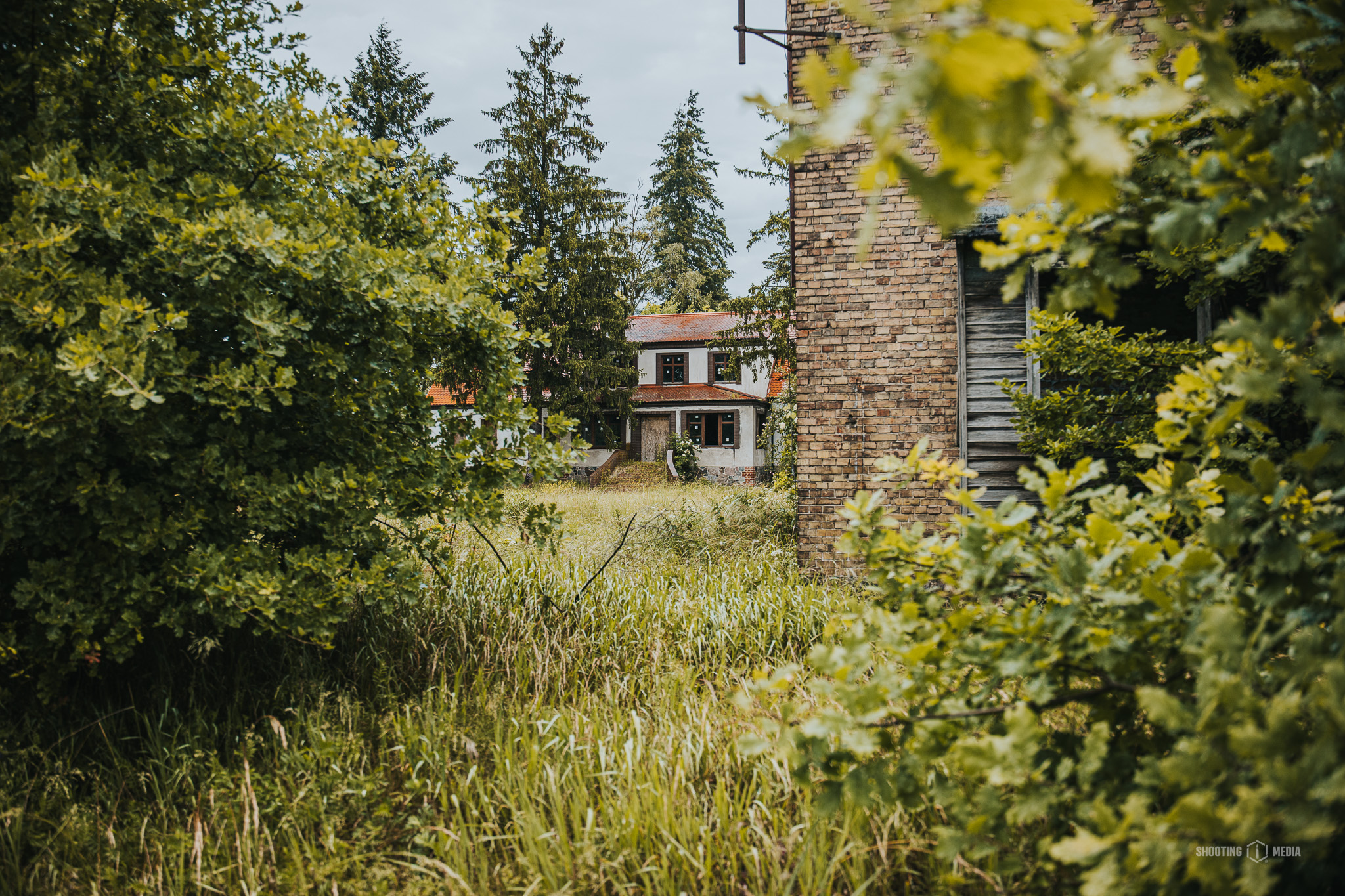
Another particularly exciting challenge took place within the ruins of the 18th-century Tarnówek Manor. Competitors had to infiltrate the buildings without being spotted by regular patrols from the local JS4044 Riflemen's Unit, while searching for navigation checkpoints hidden throughout the ruins. The task generated plenty of adrenaline, as participants had to move stealthily between buildings, either by bounding forward or carefully sneaking with heavy backpacks, while constantly avoiding detection. Passing the bloated carcass of a wild boar on the way in certainly added a rather unique atmosphere to the experience...
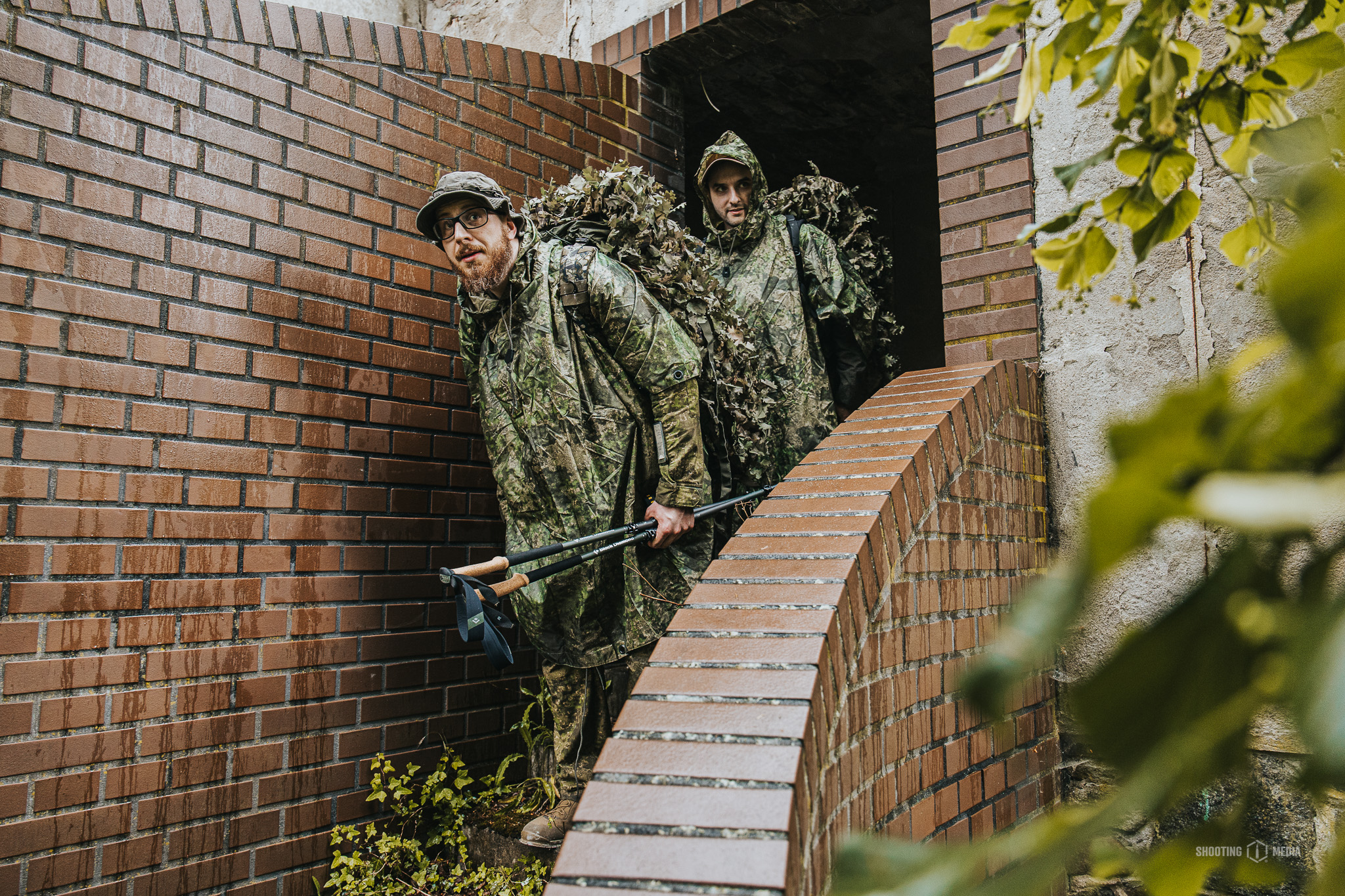
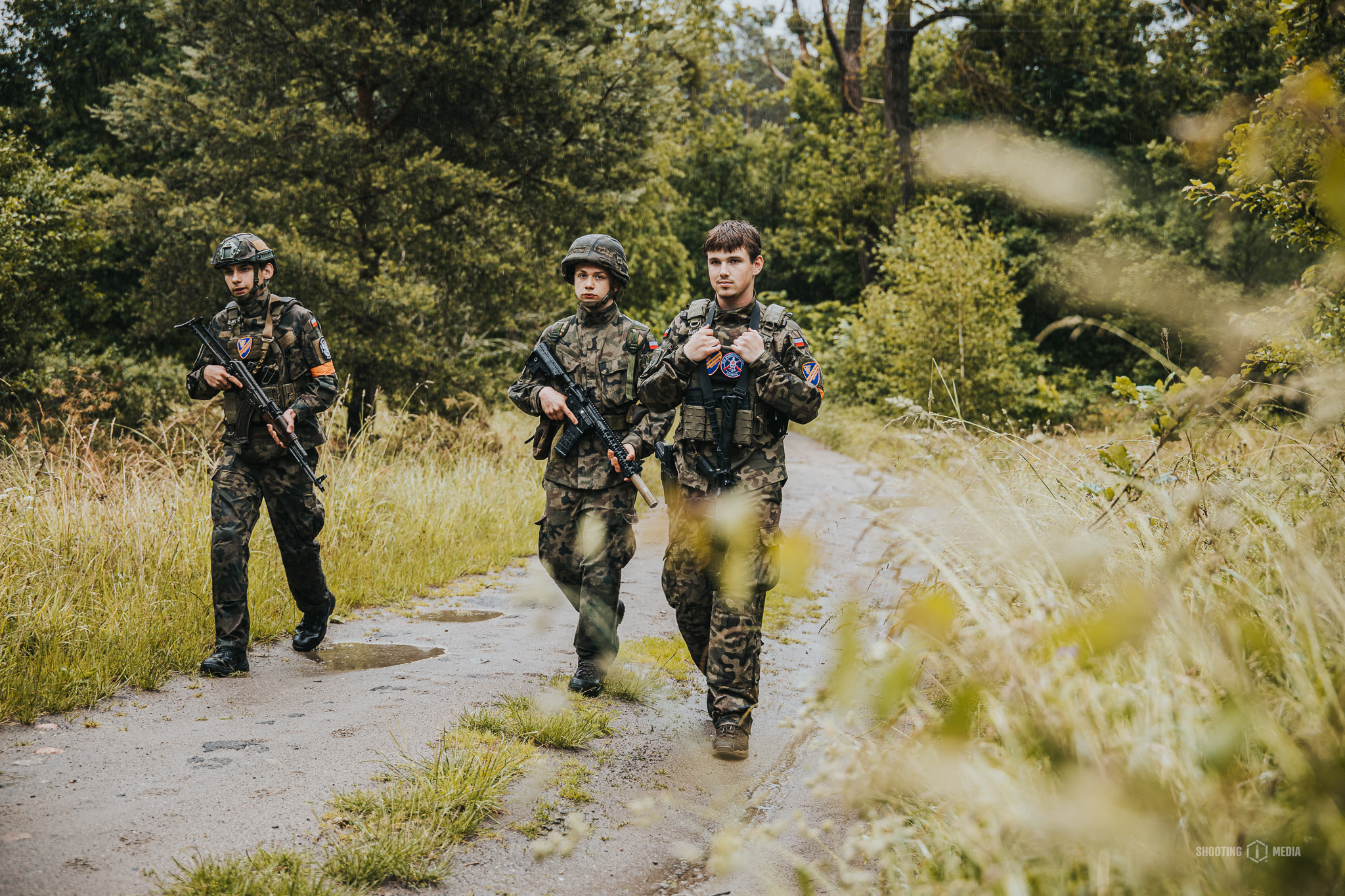
The organizers were supported at several checkpoints by the local JS4044 Riflemen's Unit from Witnica
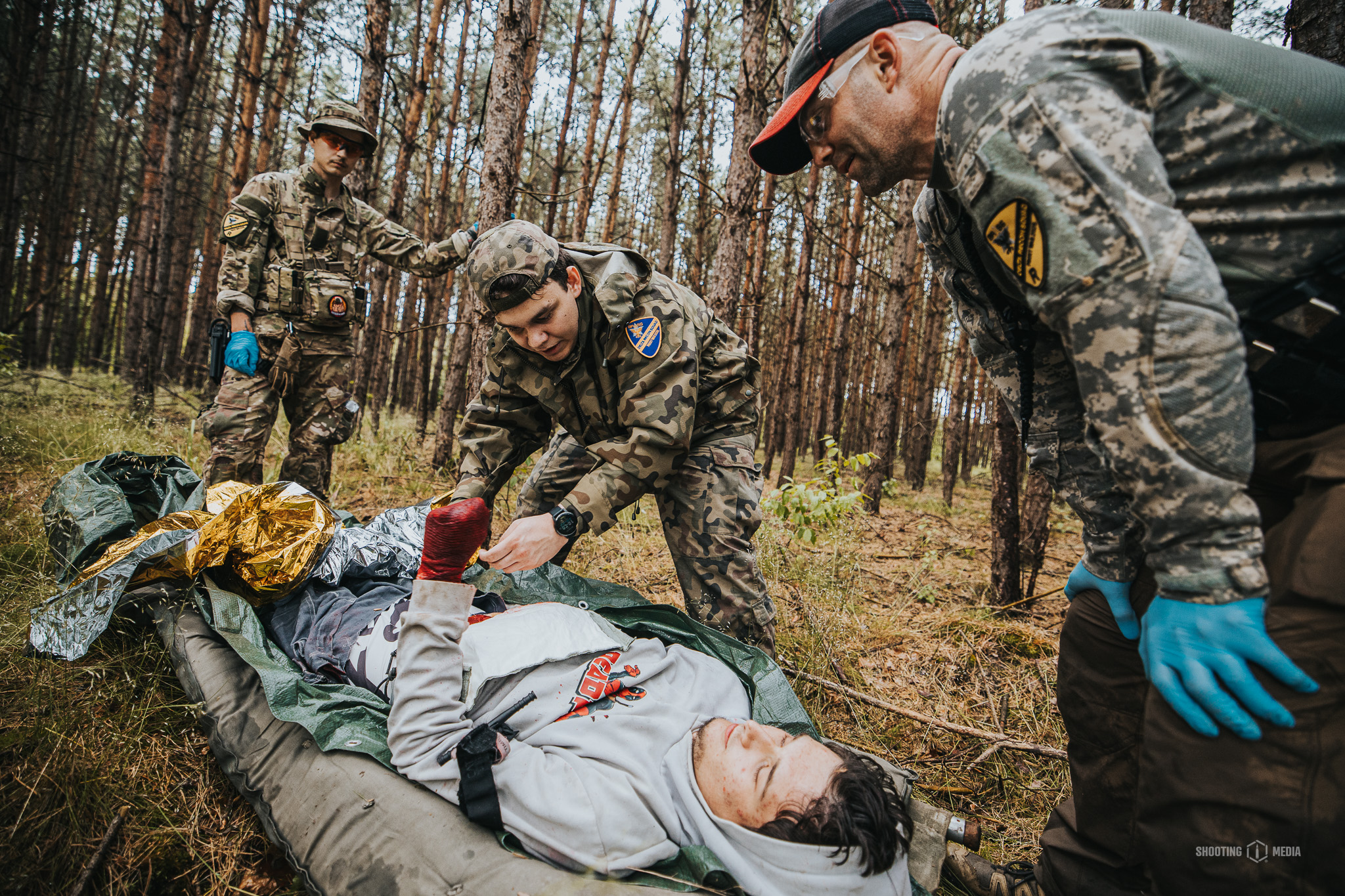
The final task of the daytime stage was a combat casualty care station. Just like last year, it was exceptionally well prepared. Competitors had to provide first aid to a casualty injured by a grenade explosion in a trench and submit a proper MEDEVAC report. The role players performed their parts flawlessly, while the scenery made it easy to understand both the situation and the casualties' injuries without requiring much imagination. That is not always the case, especially when training relies on mannequins instead of live role players. For many teams, this checkpoint also became the first opportunity for a somewhat longer break, as a queue of competitors formed here. In the end, however, every team reached the MIKE checkpoint, the finish line of the daytime stage, within the required time. Teams arriving last were given a delayed start for the night stage, allowing them enough time to hand in their daytime scorecards, collect new ones for the night navigation phase, refill their water supplies, change into dry clothing after the evening downpour, and prepare for the night march. The night stage consisted exclusively of navigation checkpoints, with no additional tactical tasks. It concluded with crossing, or attempting to cross, a guarded border, locating the final navigation checkpoint, and reaching the shooting range, where all competitors submitted their scorecards before getting some well-earned rest.
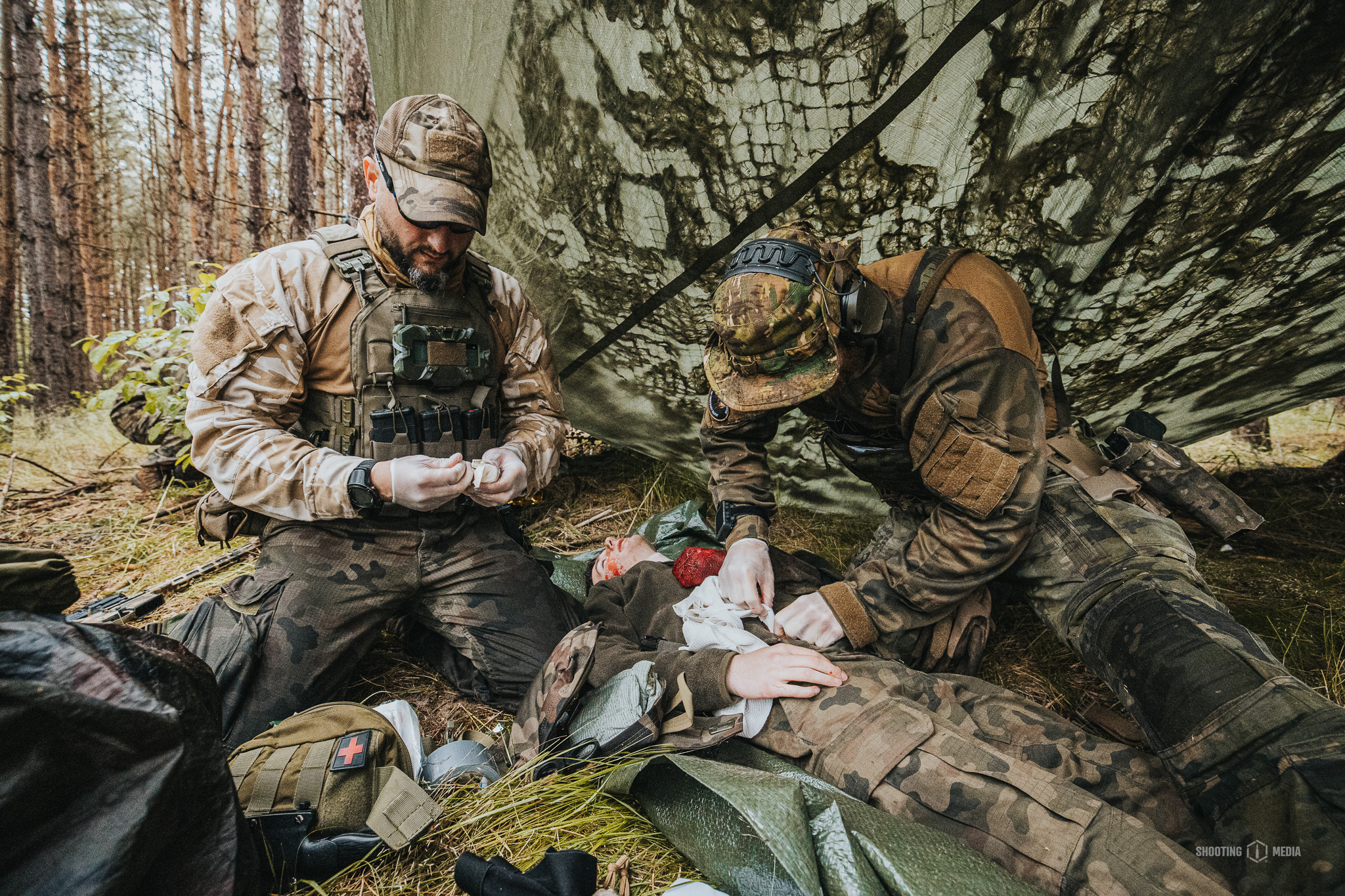
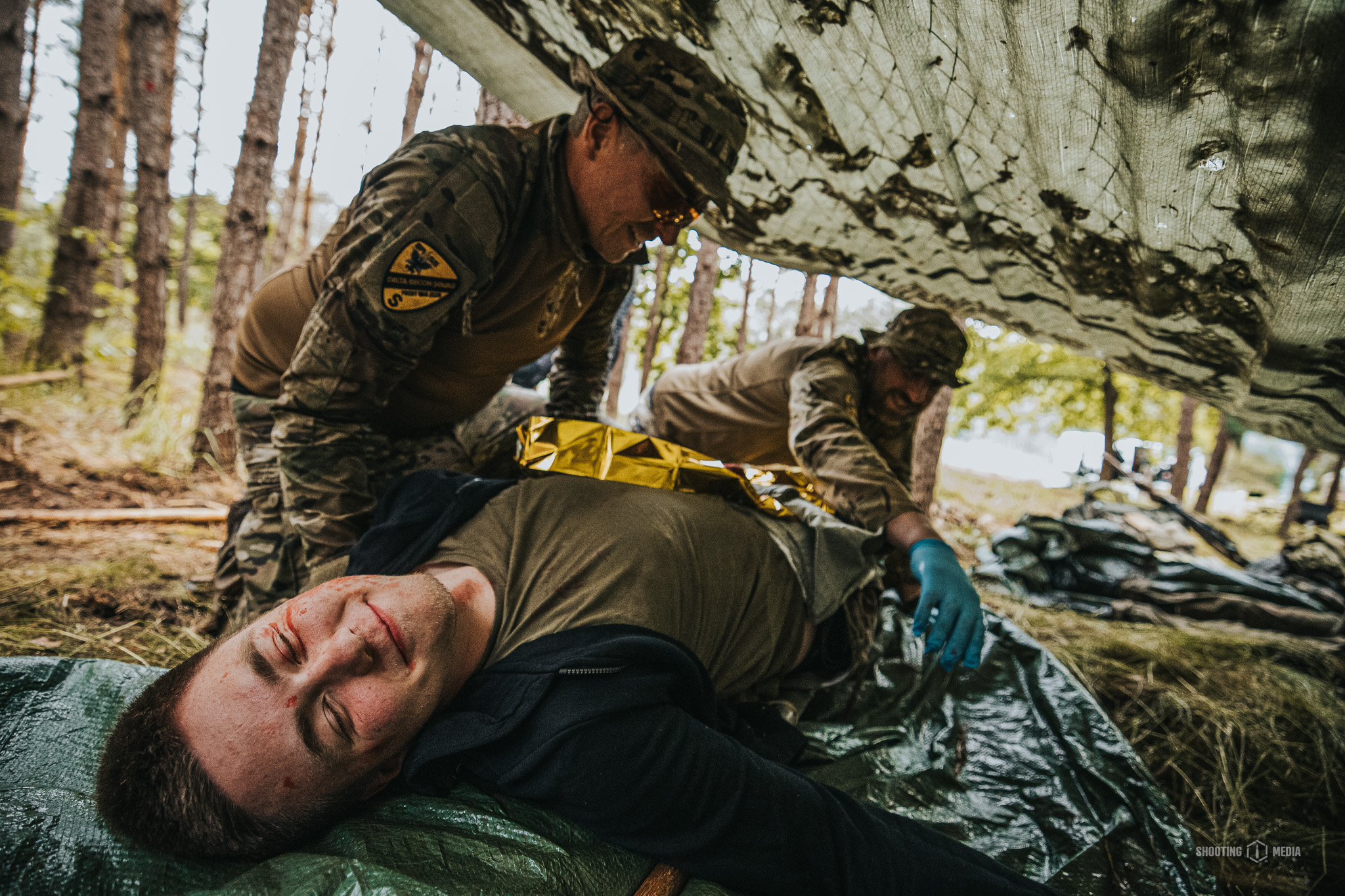
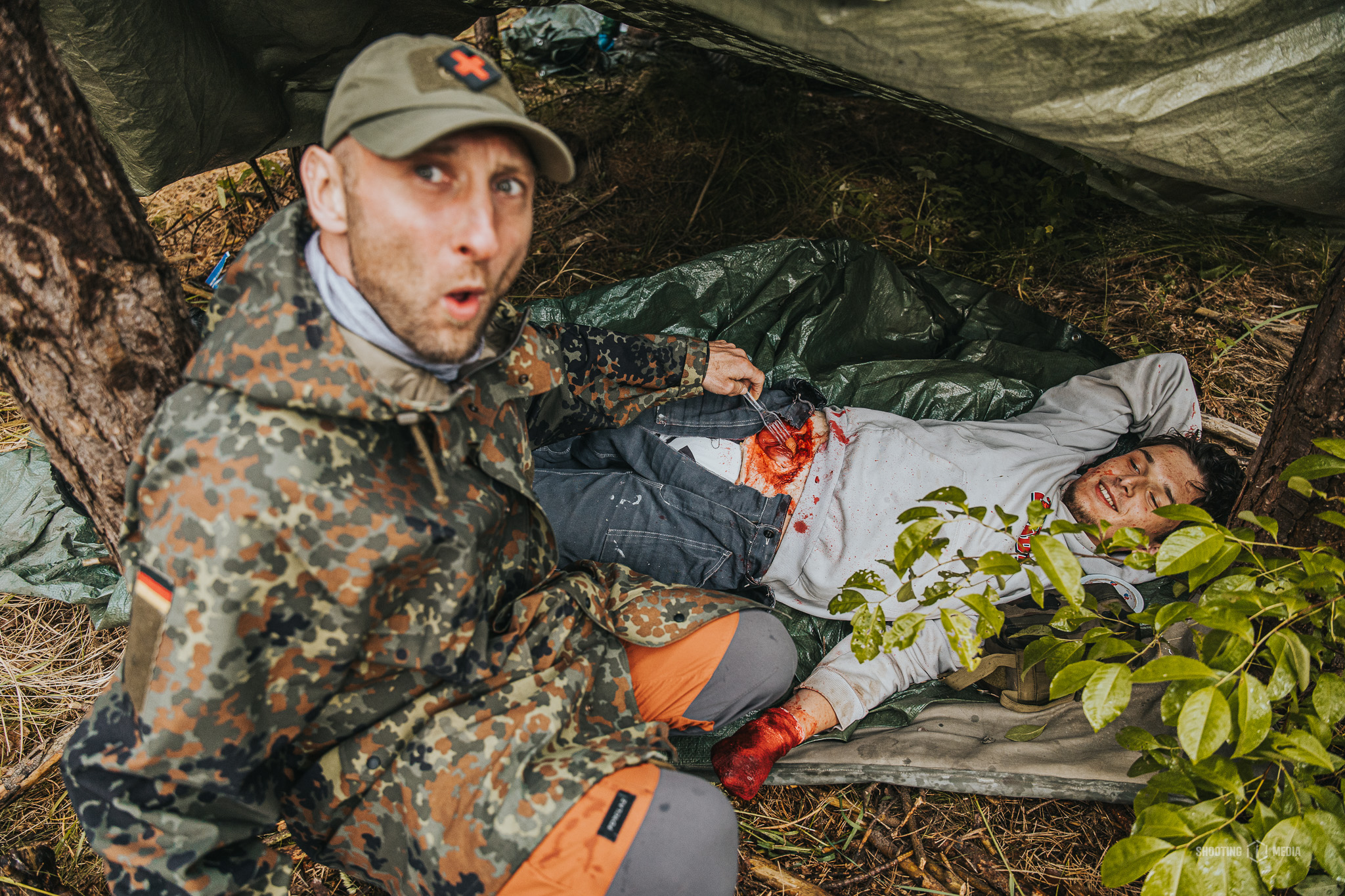
After reaching the finish area, most teams finally had an opportunity to rest and, more importantly, dry out their soaked clothing and boots by the campfires that were gradually being lit. I was genuinely surprised by the carelessness displayed by some of the participants responsible for building those fires. One would expect that people taking part in this type of event understand the basics of operating in the field and know that a campfire should always be properly extinguished before being left unattended. As a result, several competitors found themselves with an additional task, hauling water from the shooting range, several hundred meters away, multiple times to put out abandoned fire pits. As the saying goes: if you don't use your head, you'll have to use your legs.
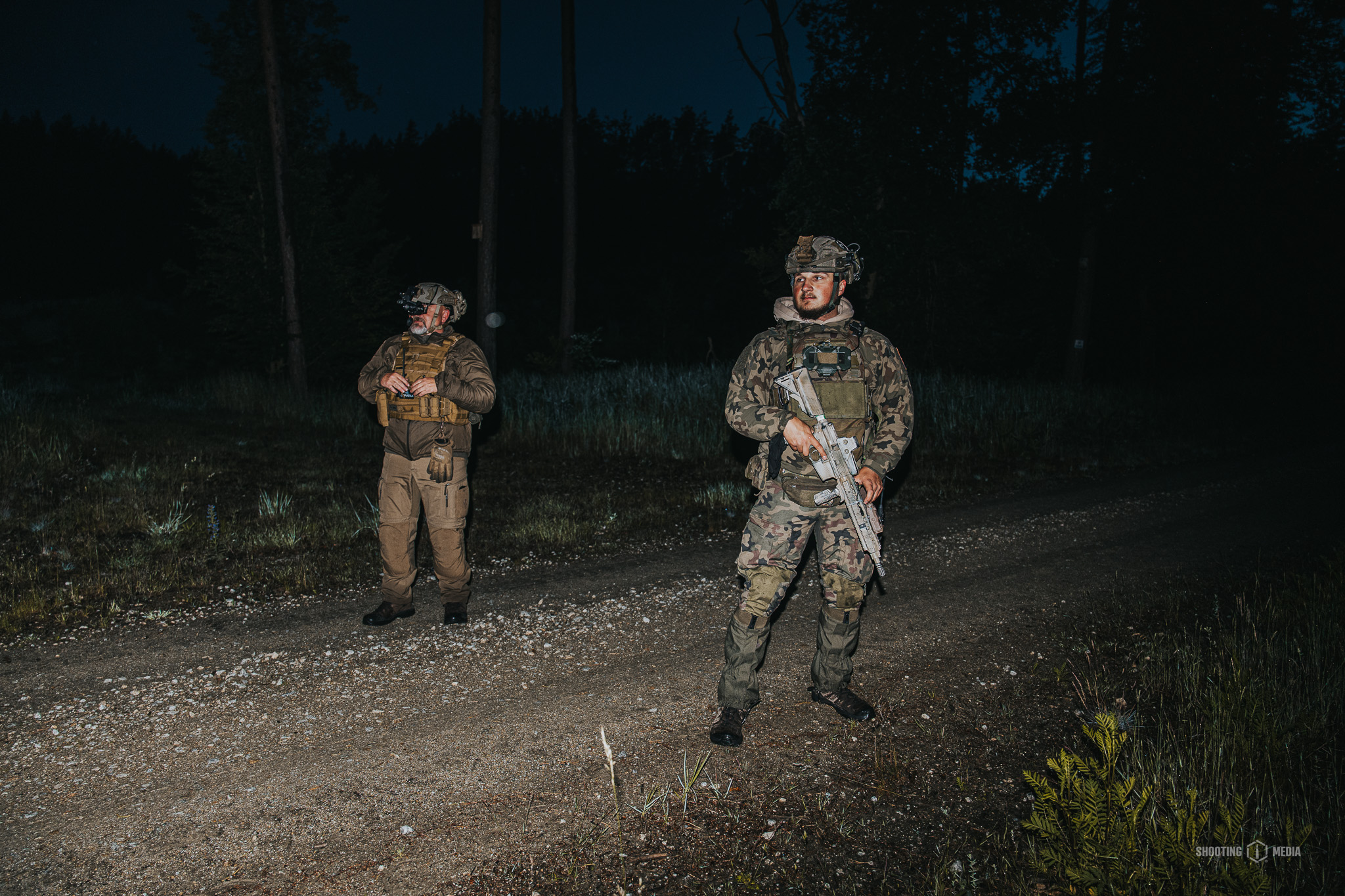
Patrol guarding the final objective of the night stage — the border crossing
Shooting Stages
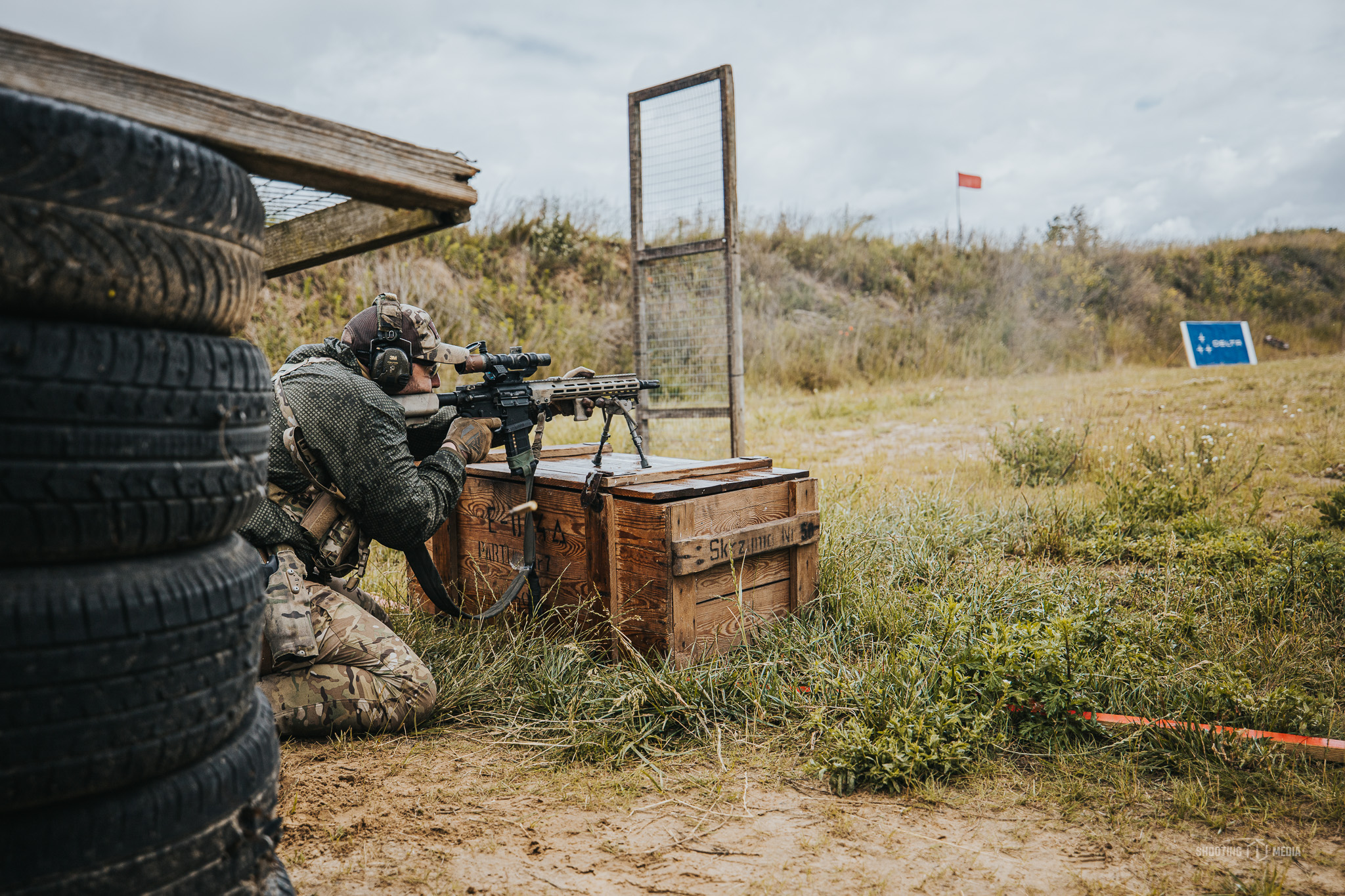
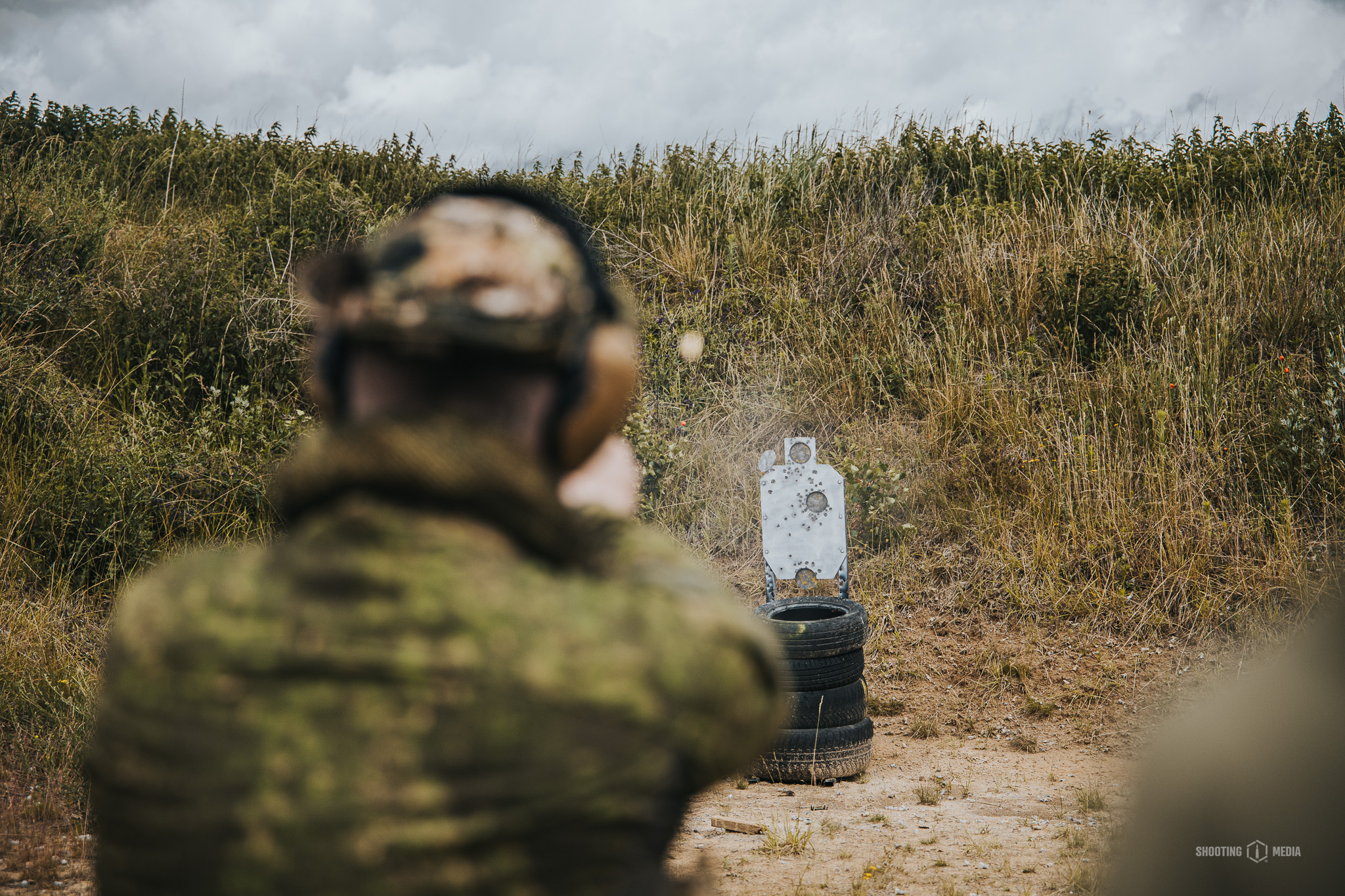
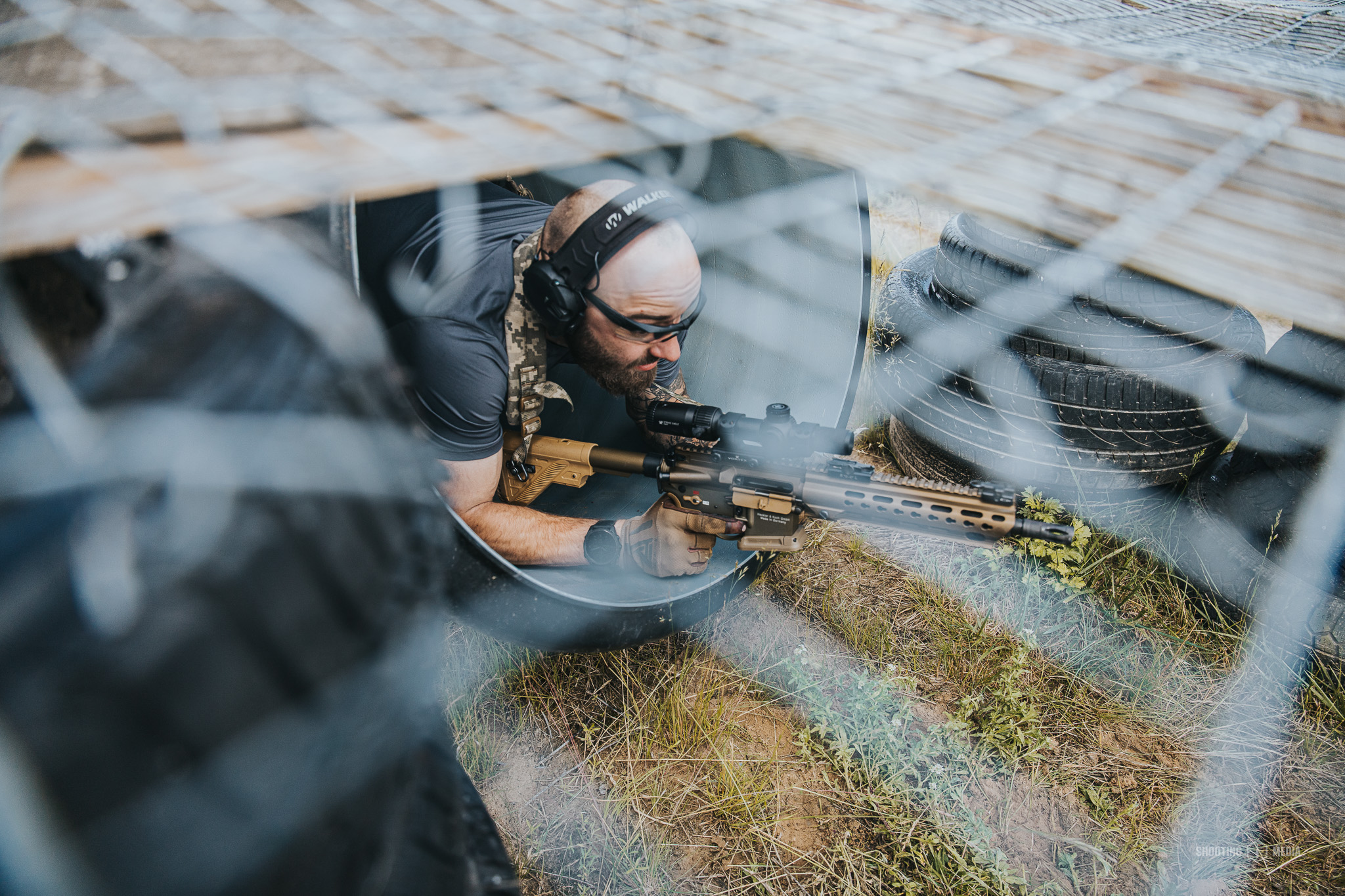
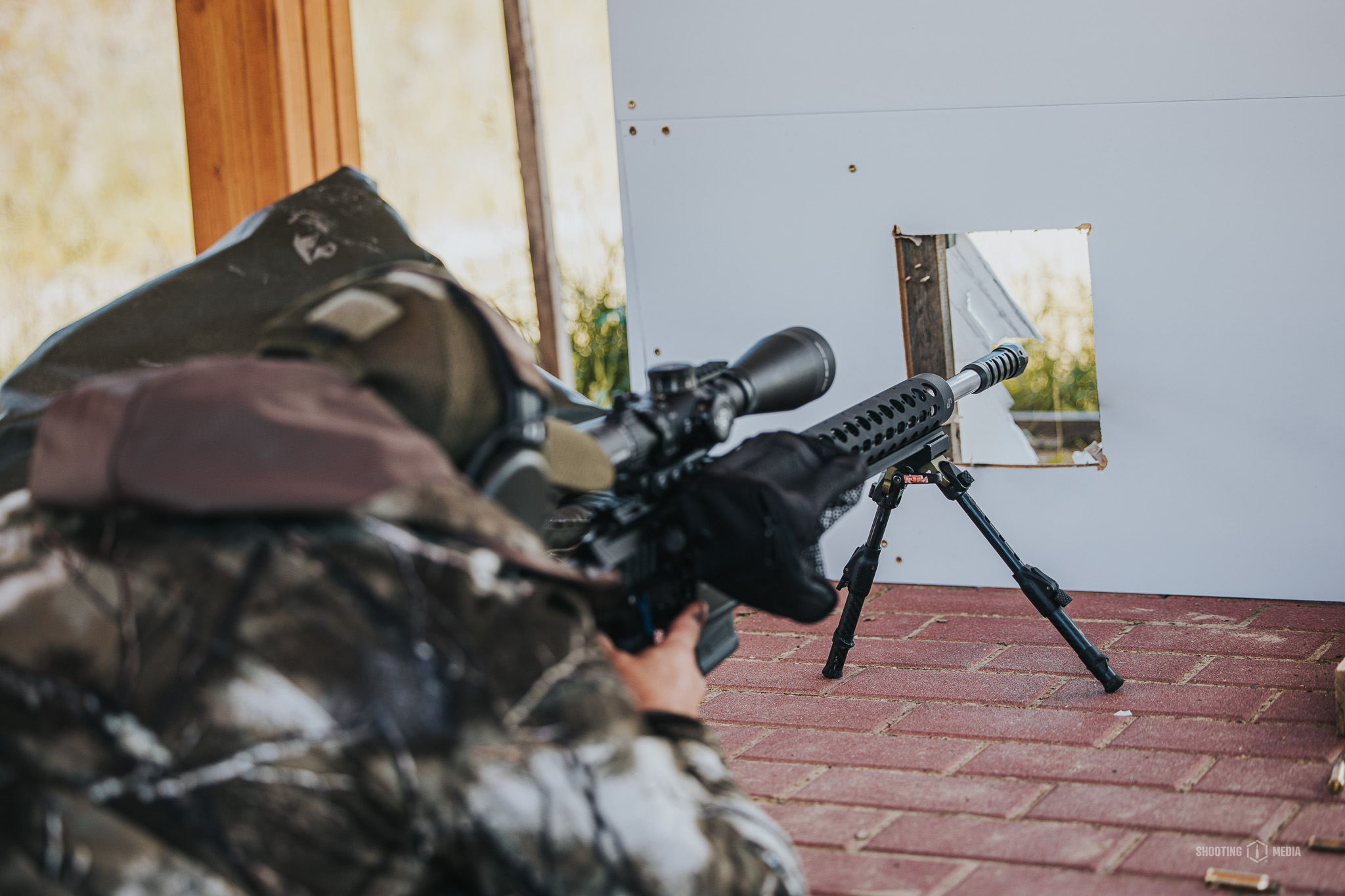
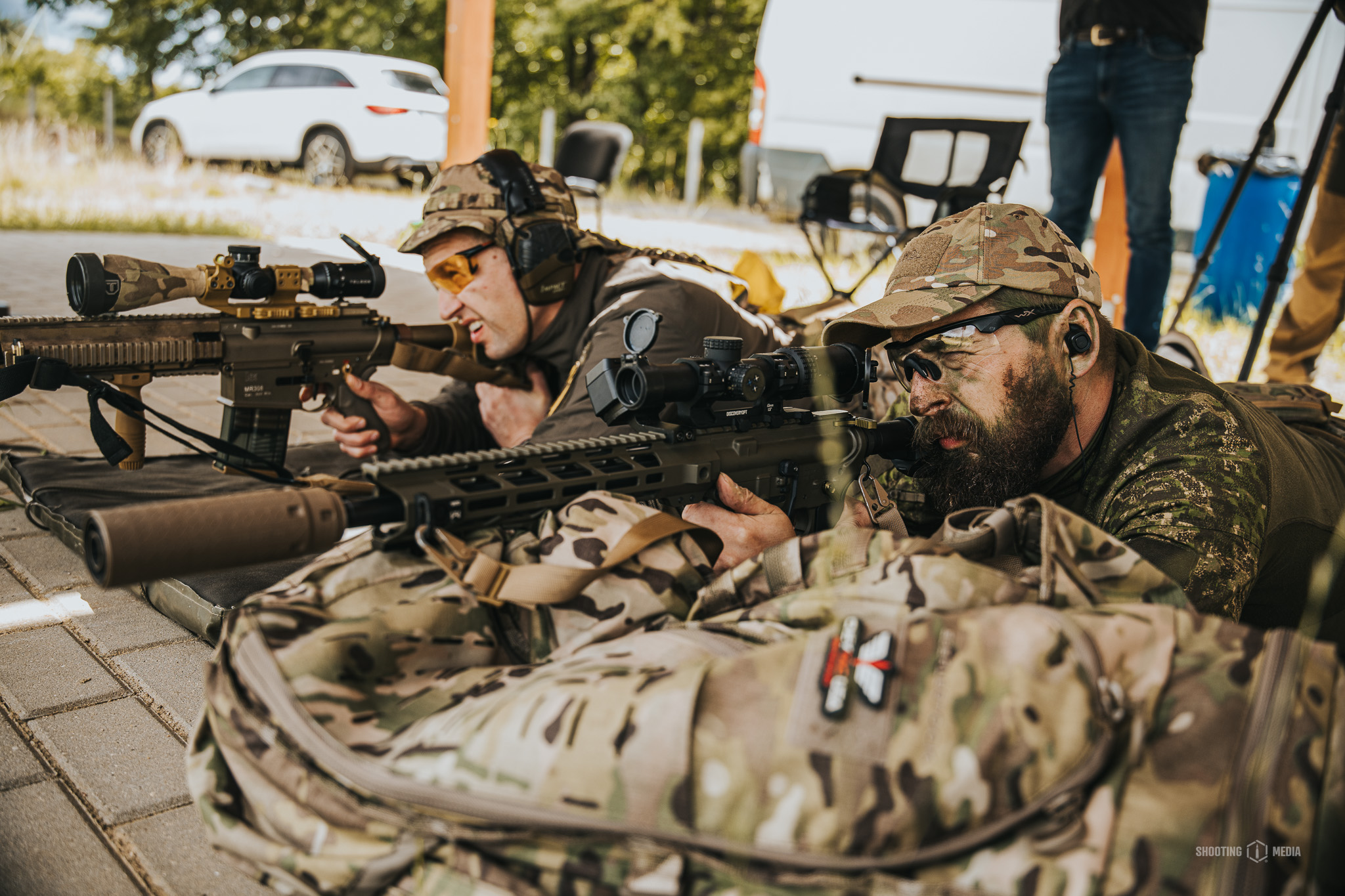
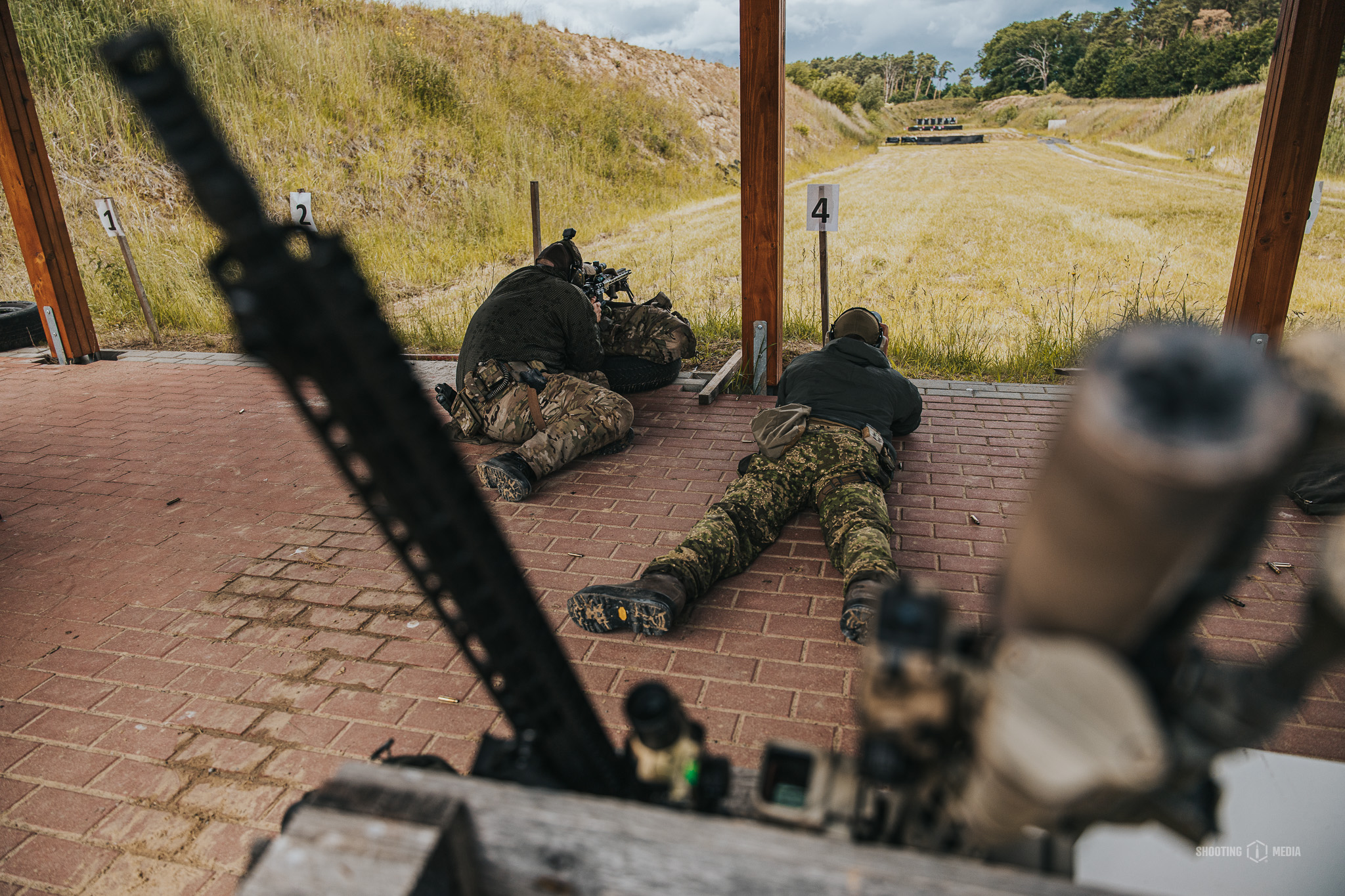
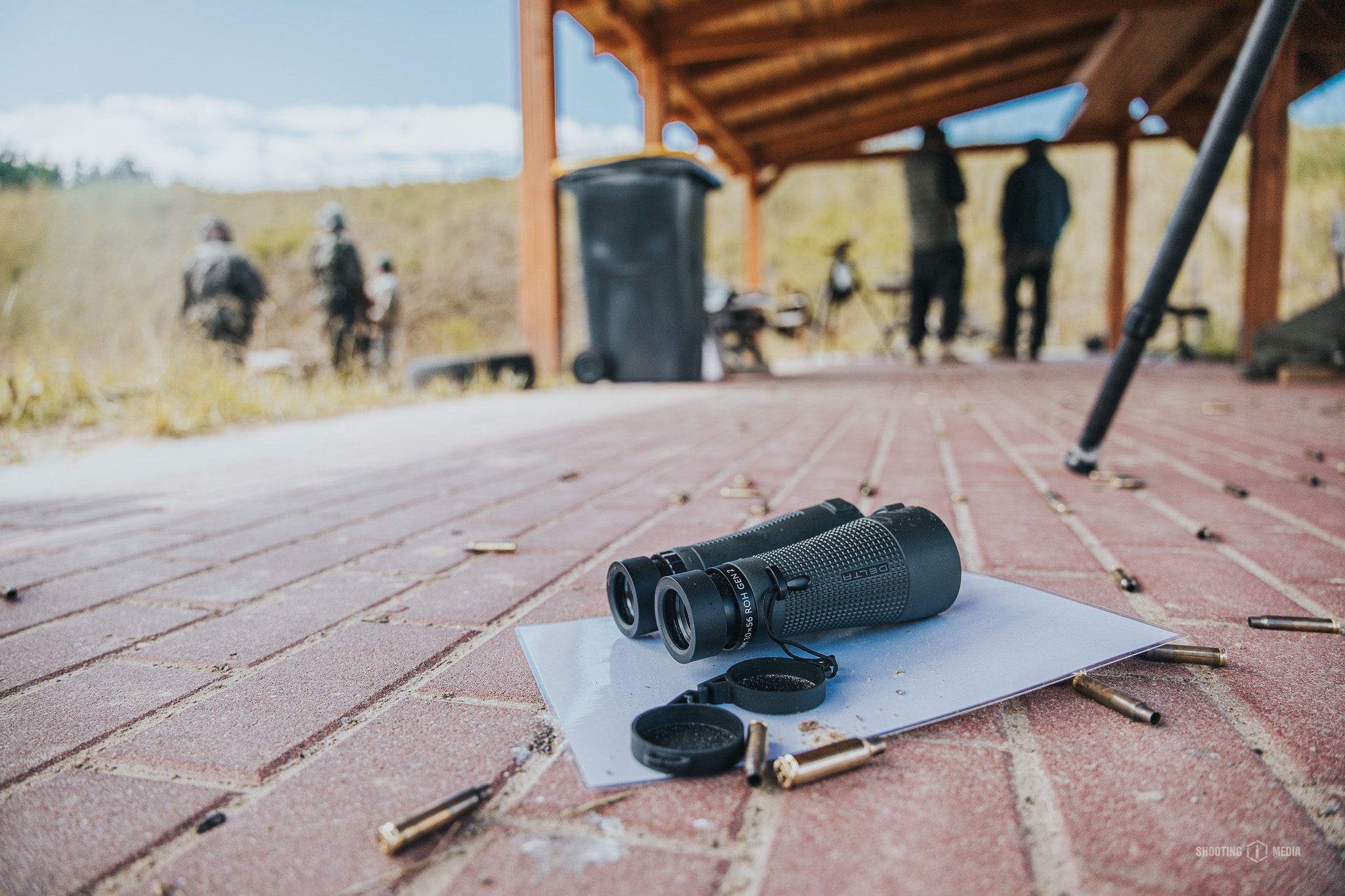
The shooting portion of the competition began at 8:00 a.m. and continued until early afternoon. One of this year's major improvements was the introduction of fixed shooting time slots, which brought much better organization and eliminated bottlenecks throughout the day. The organizers prepared six shooting stages for each division, two of which were extended, multi-part courses.
My personal favorite was a six-minute trench stage simulating the assault and capture of enemy trenches, followed by engaging targets across the forward area. It was simply outstanding, even though we eventually decided to skip the opening obstacle, climbing onto a shipping container via a rather unstable cargo net, which was costing us far too much time.
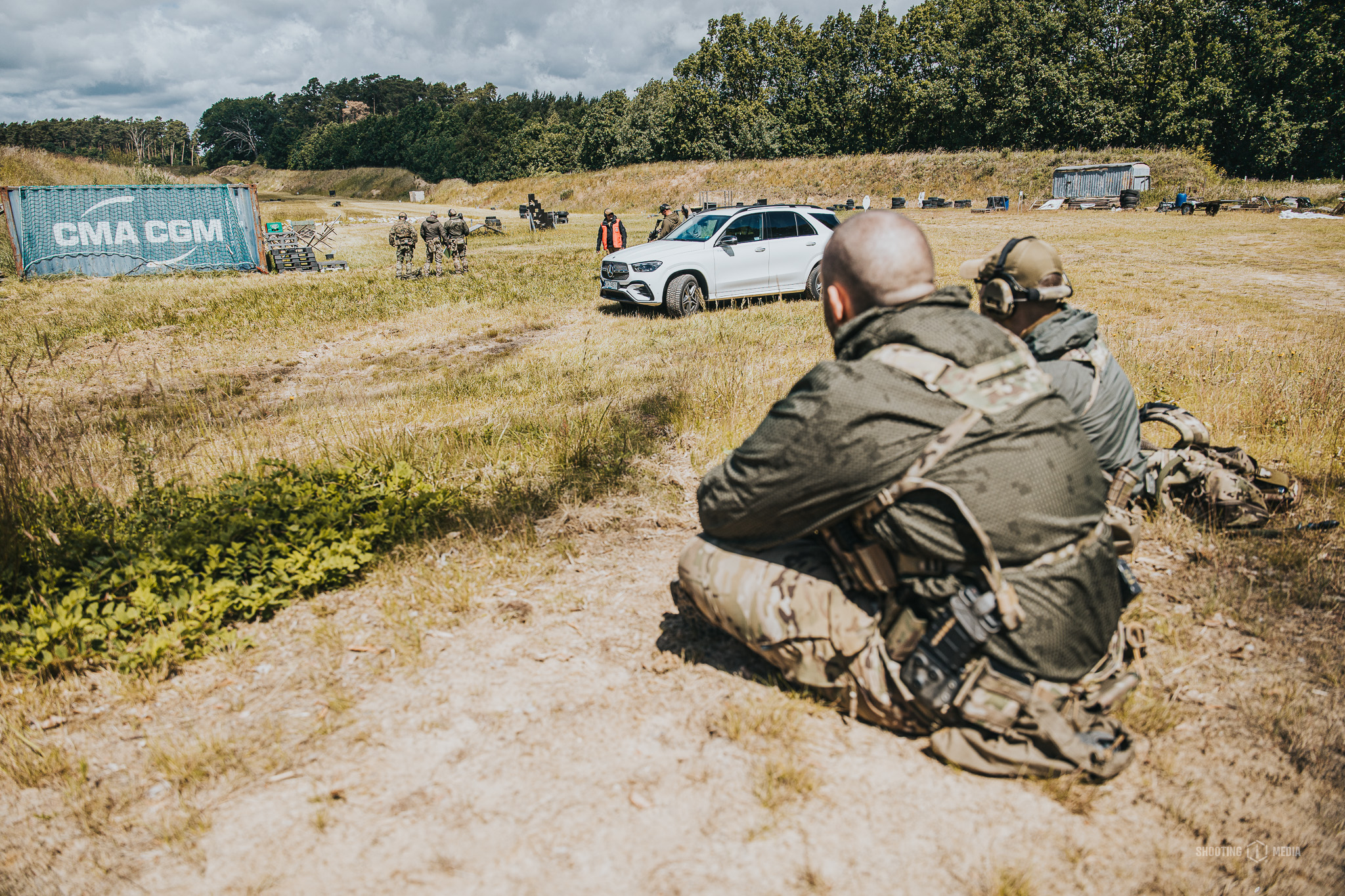
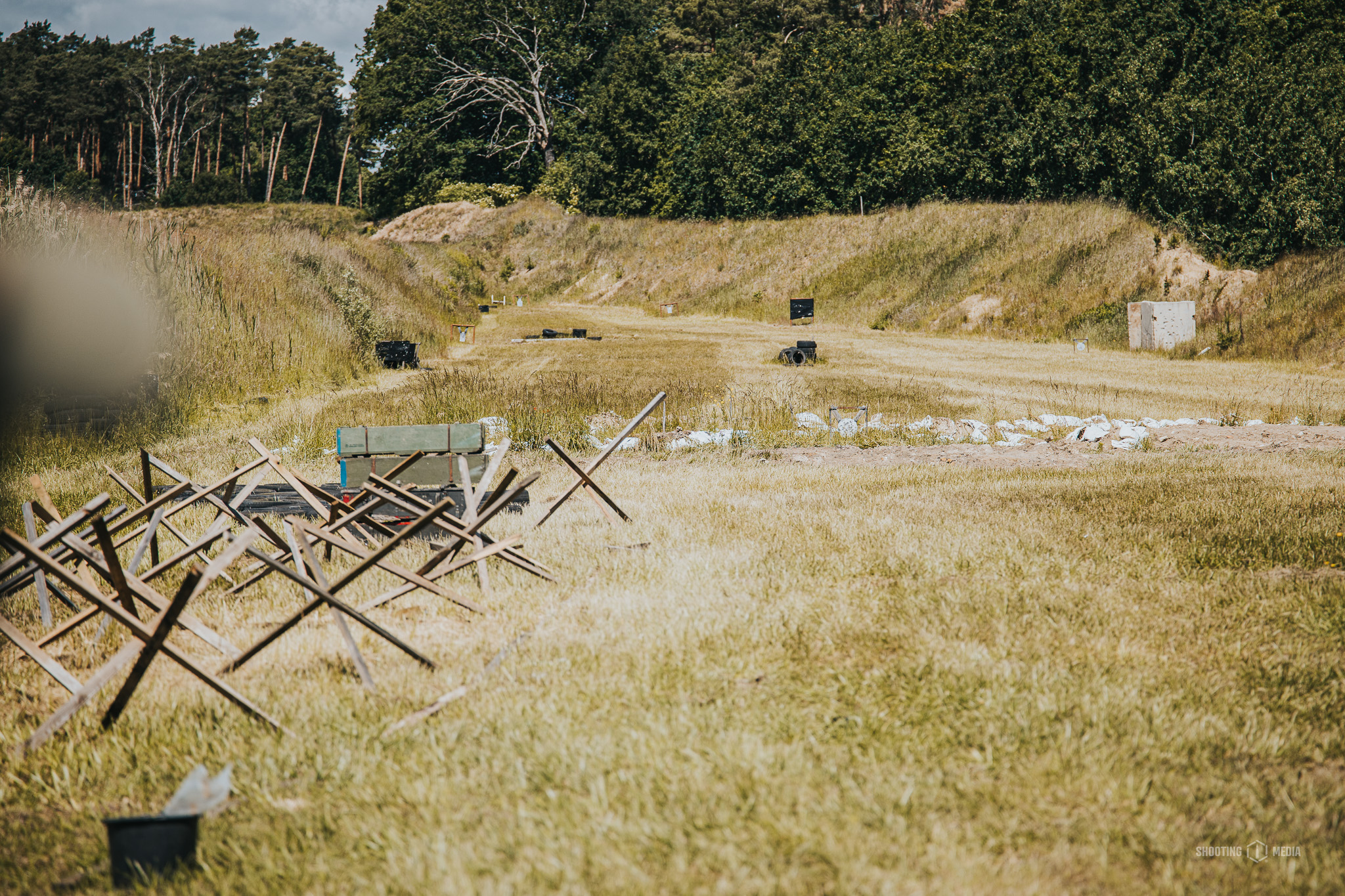
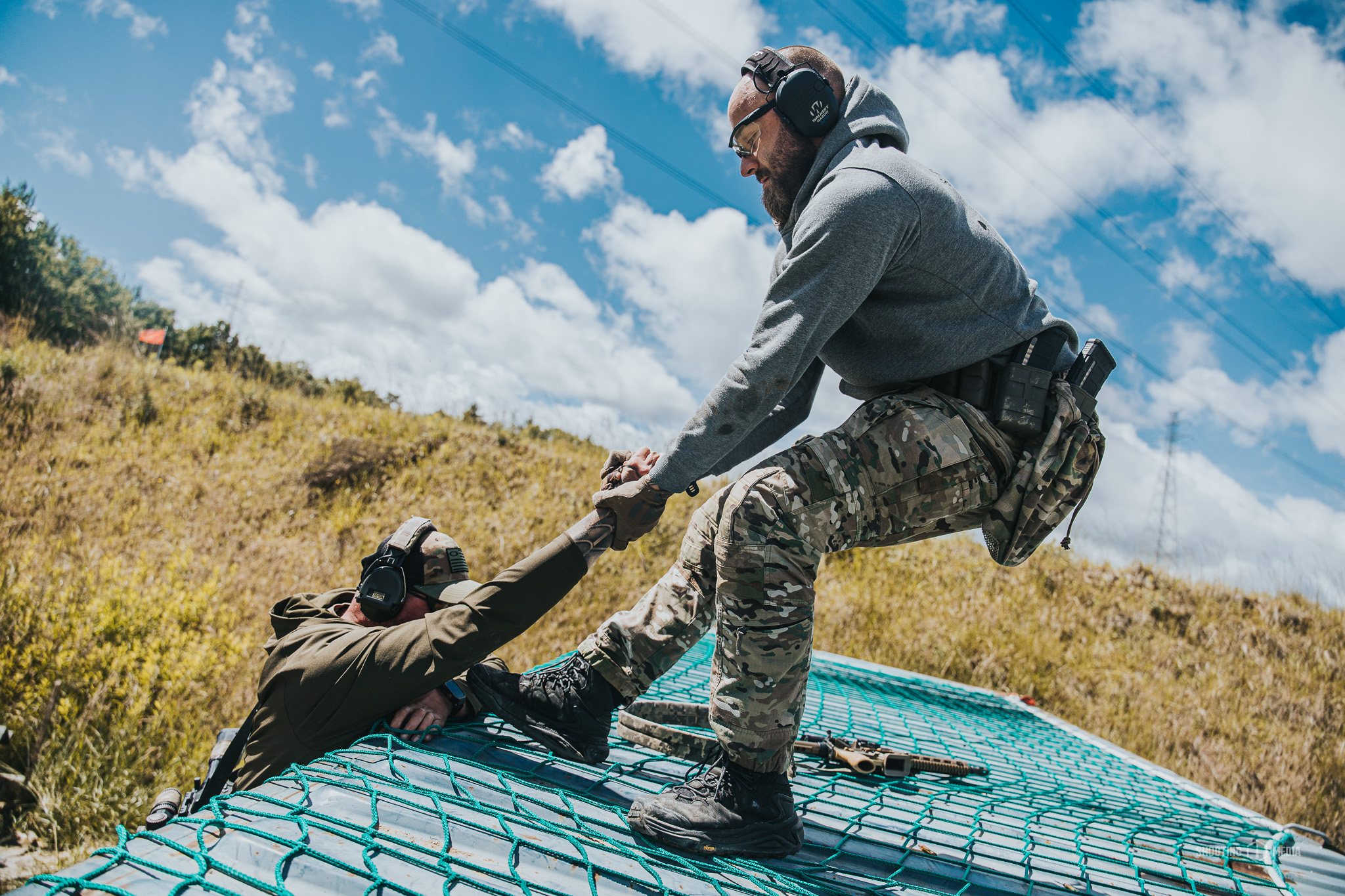
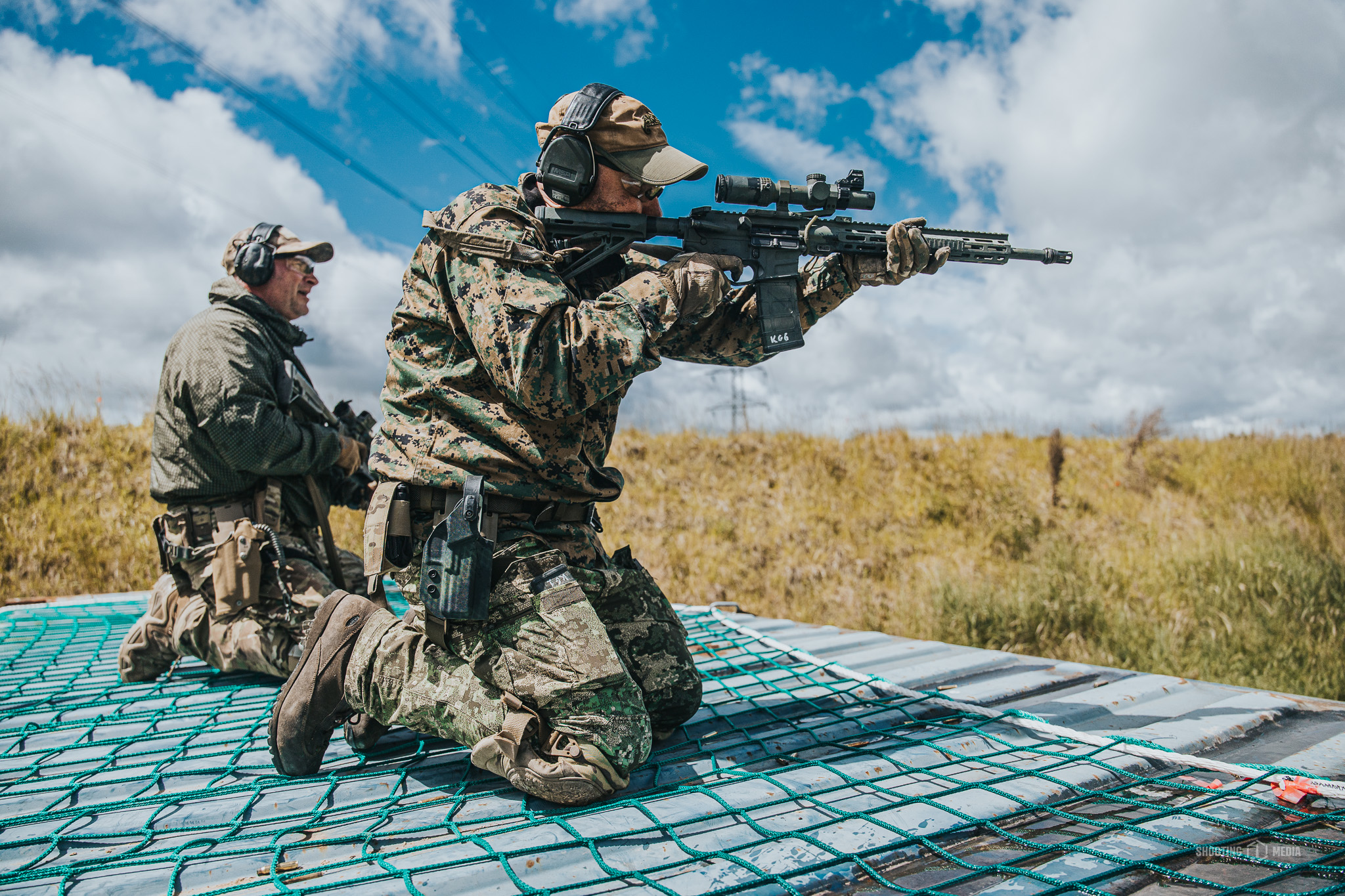
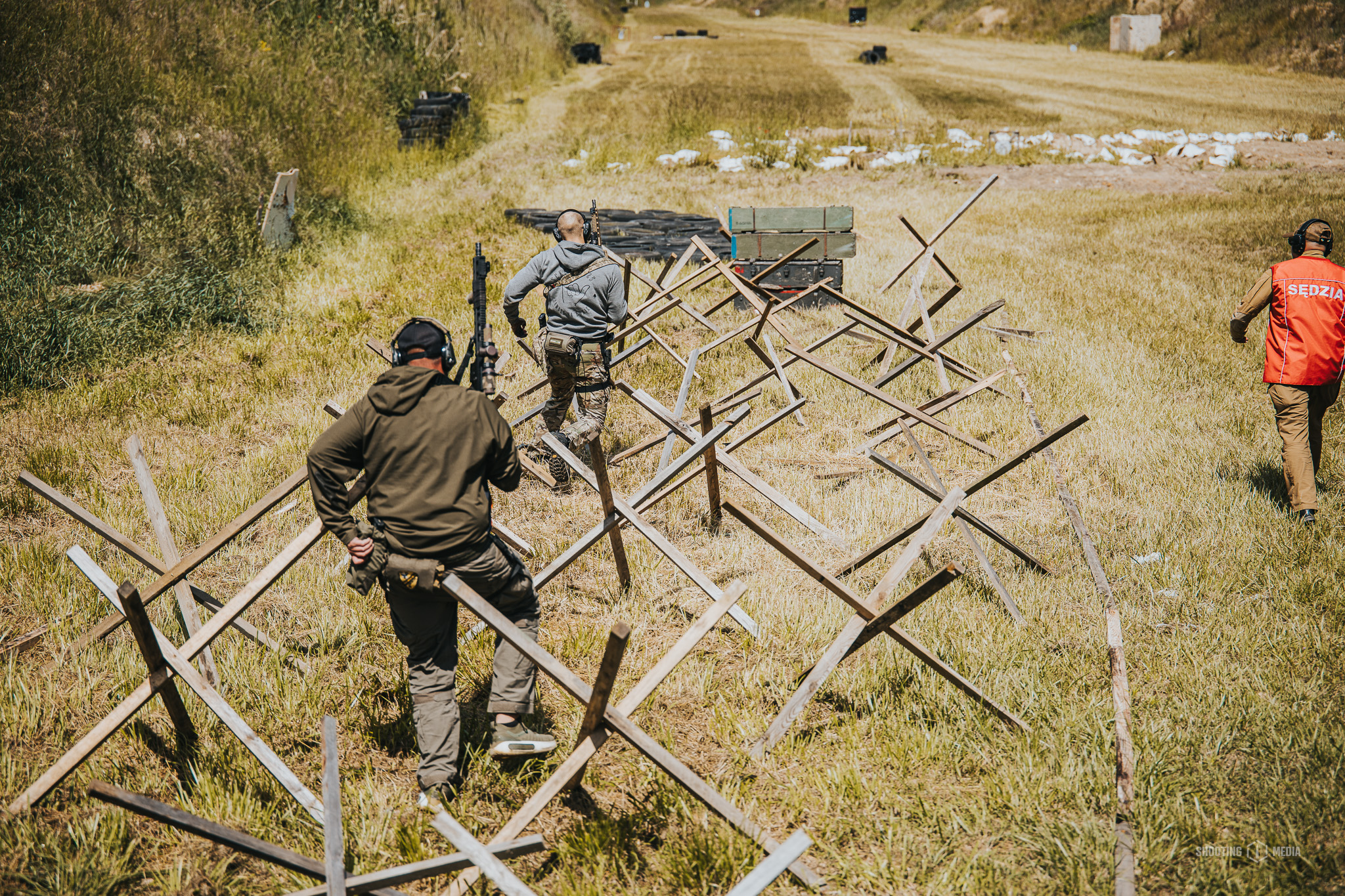
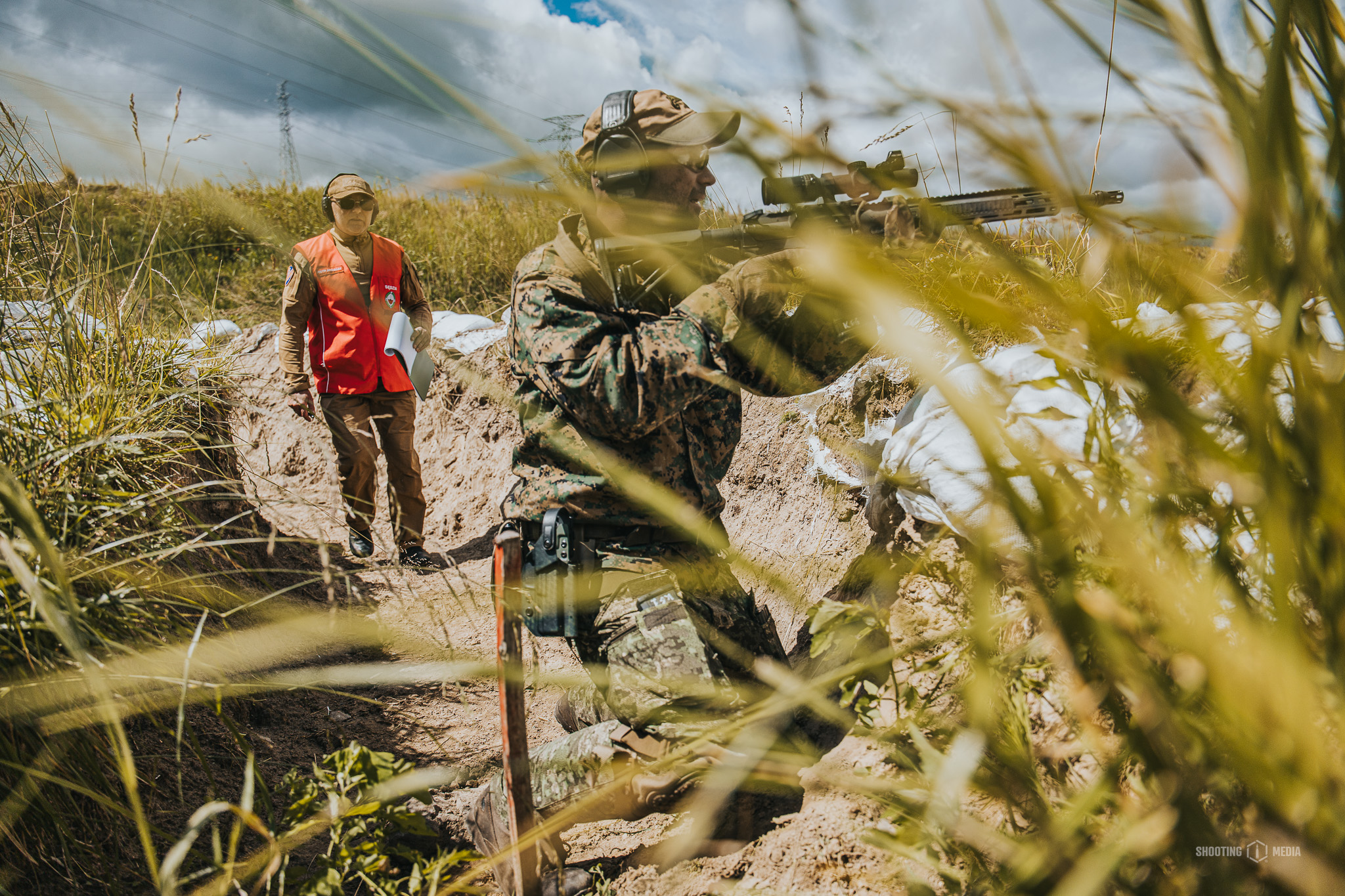
The second extended course simulated a MOUT (Military Operations on Urban Terrain) scenario. Although packed with engaging shooting challenges, there were moments when it was easy to lose track of the intended route. On the other hand, the task requiring competitors to determine which passage had been mined was, in my opinion, an excellent addition.
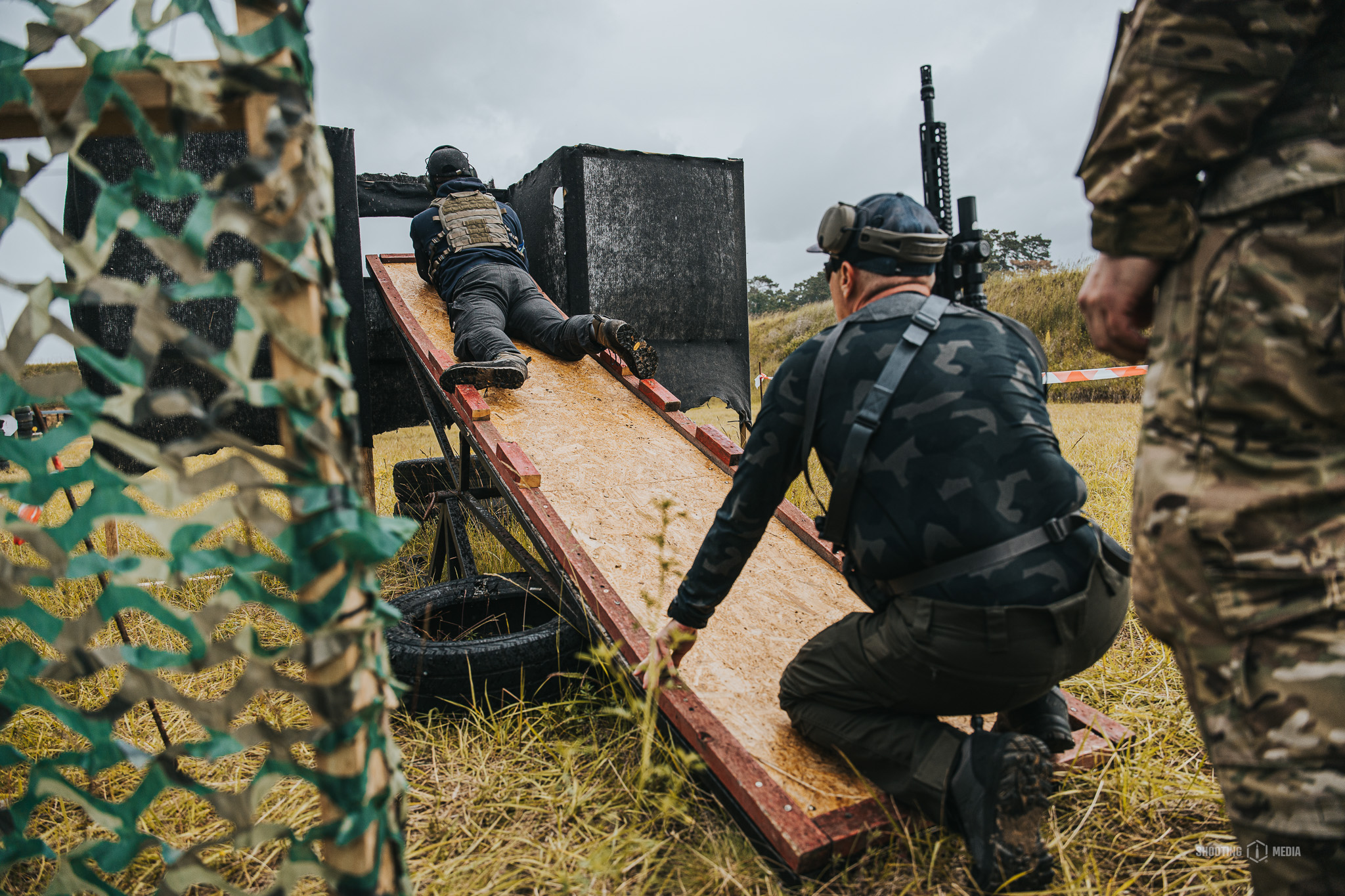
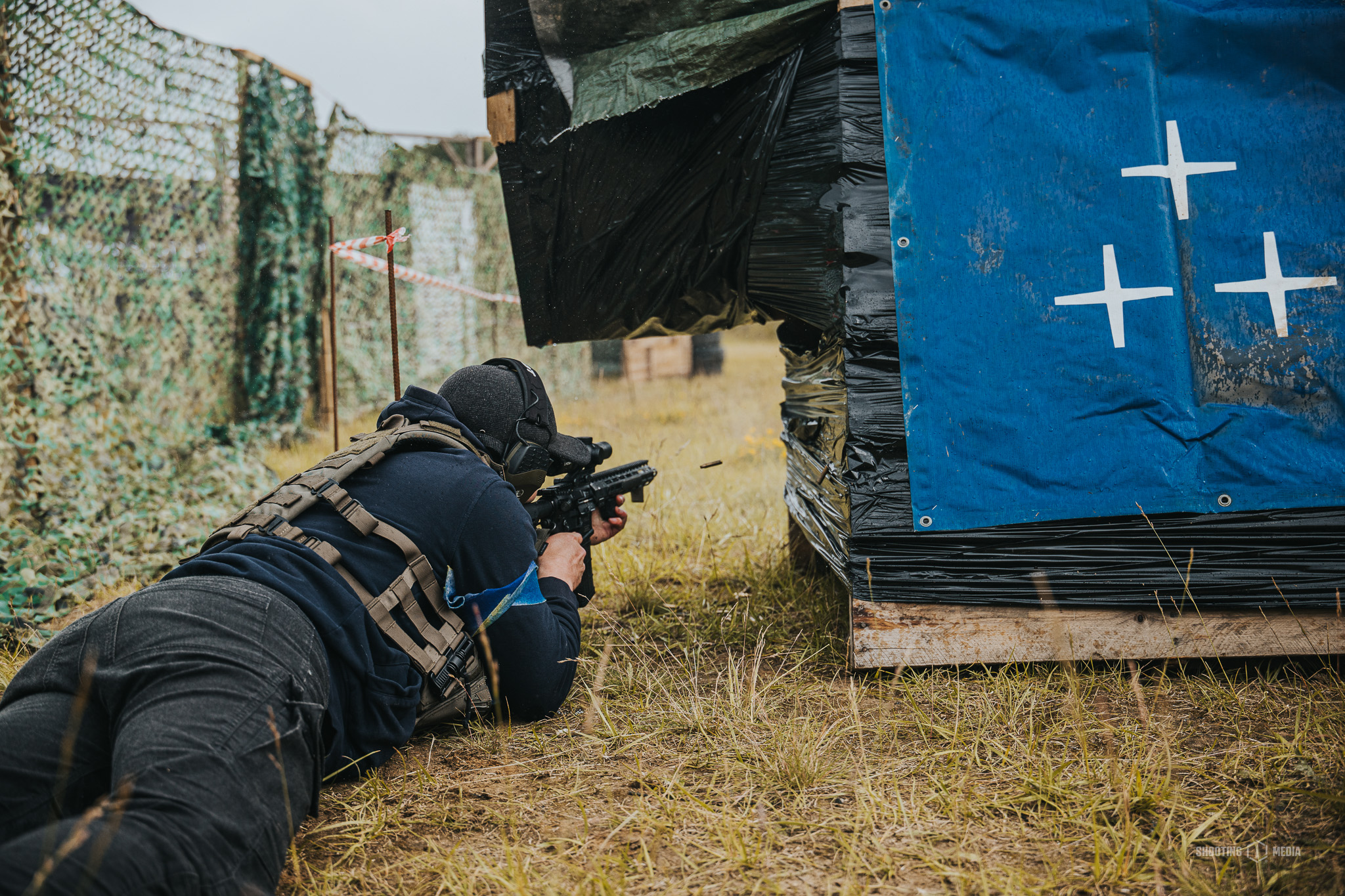
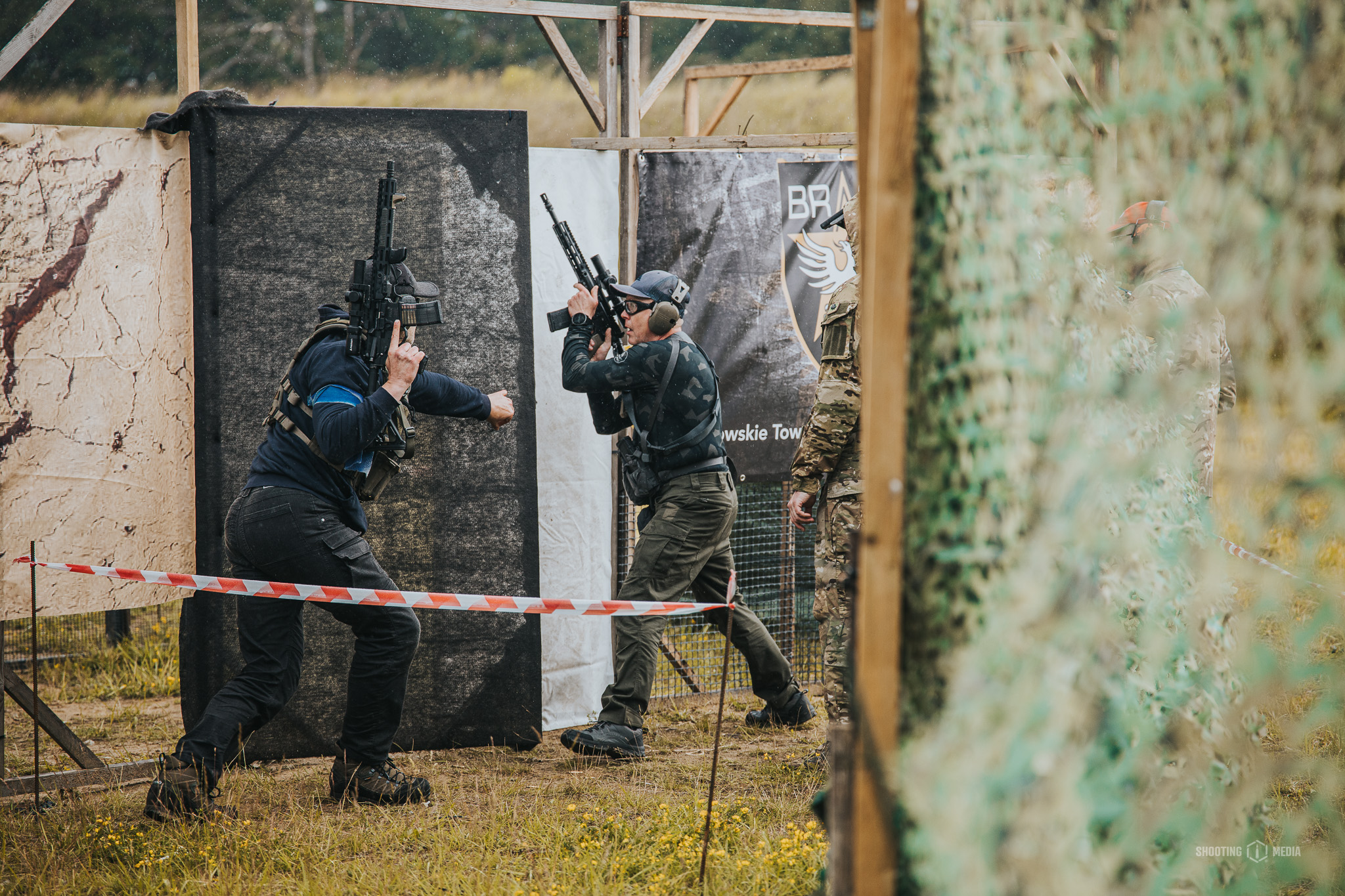
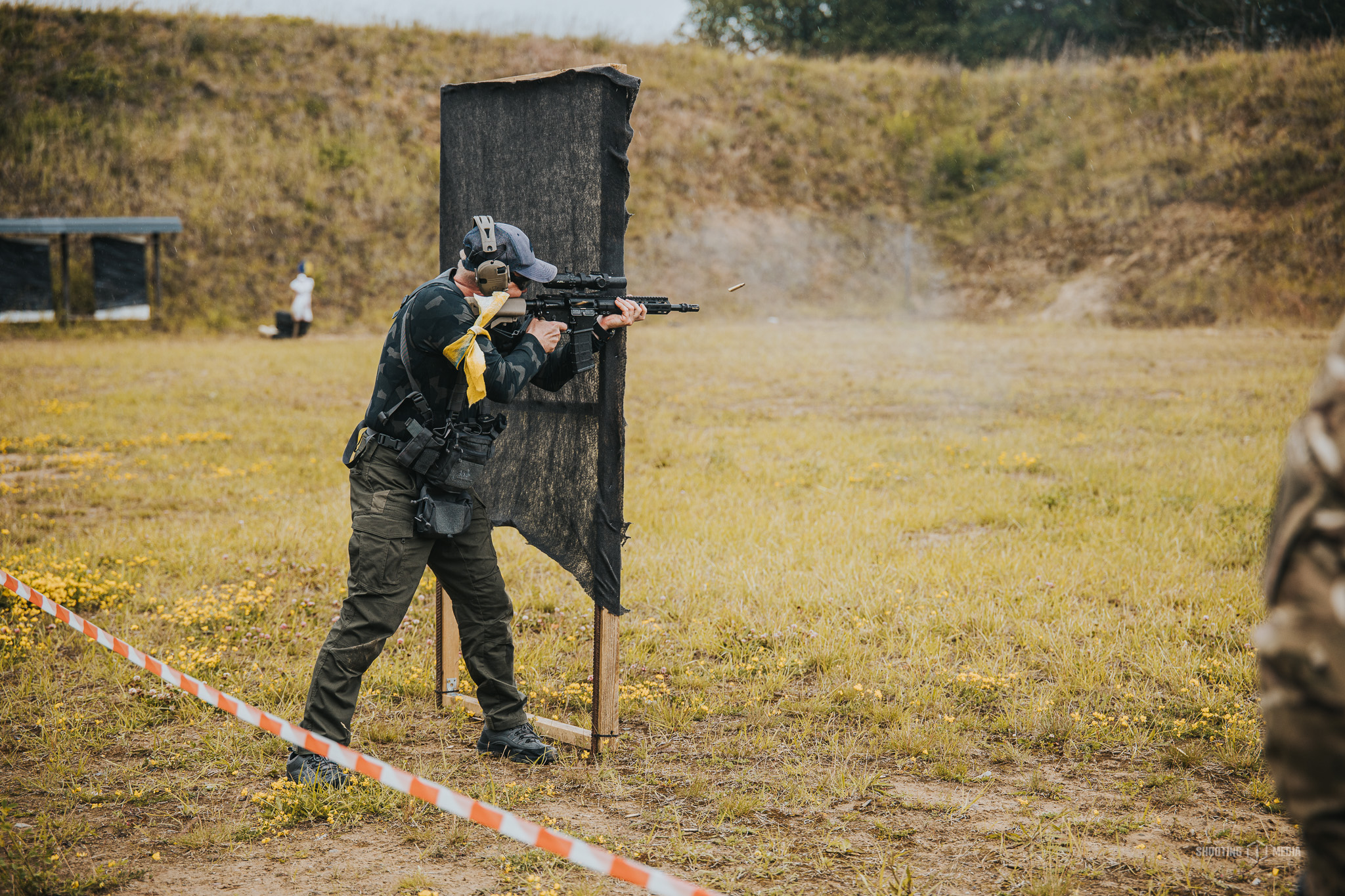
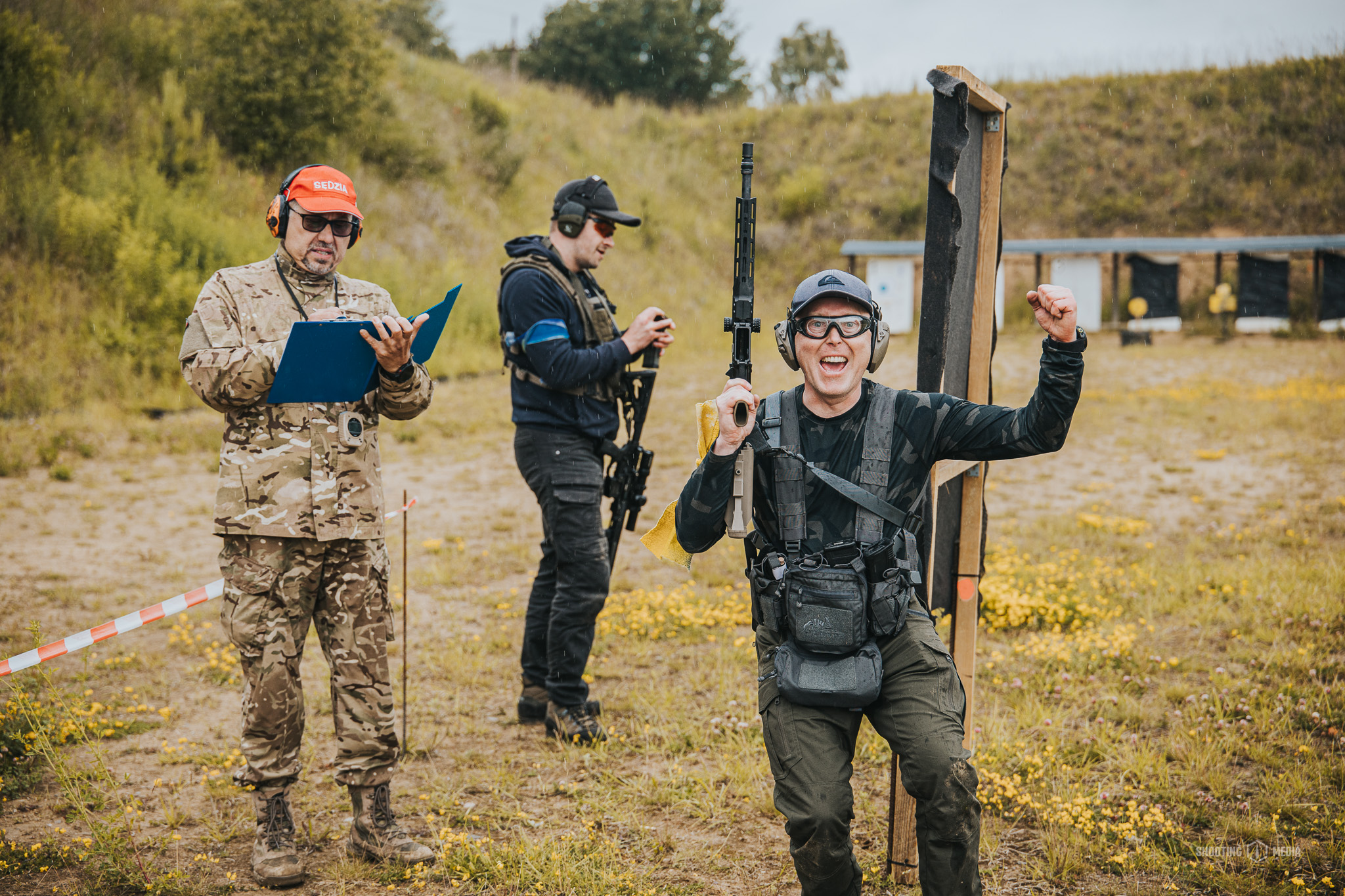
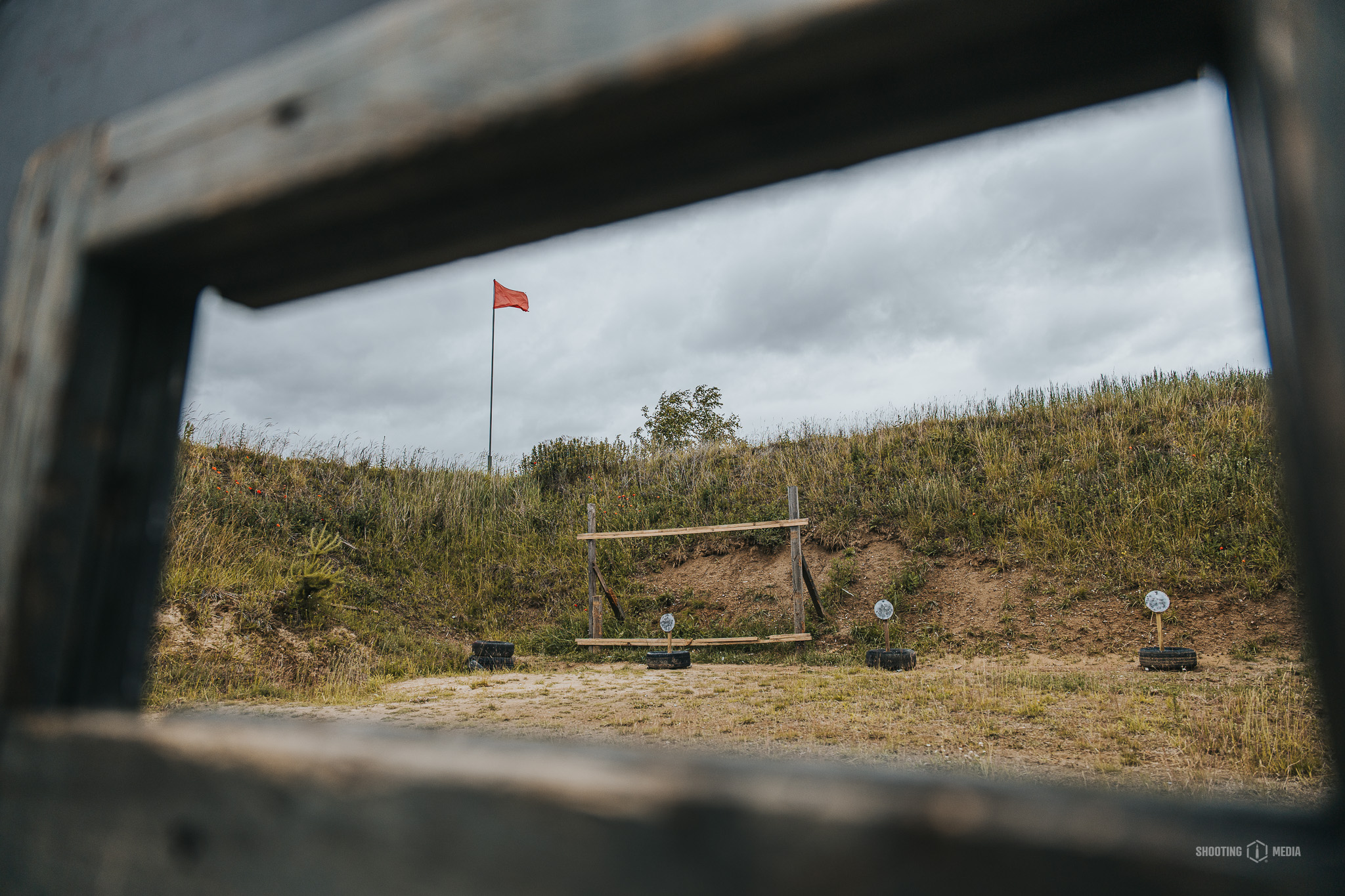
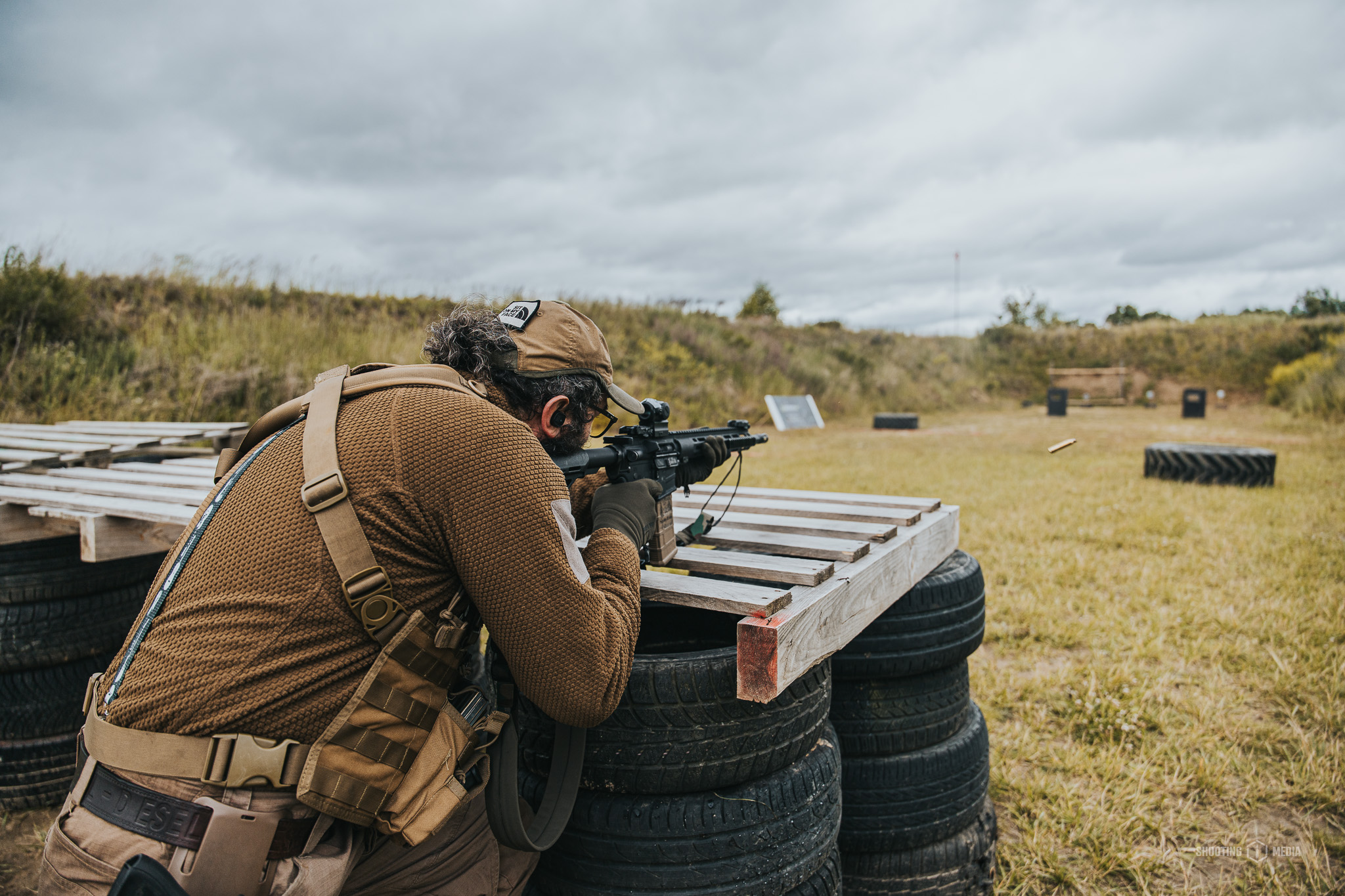
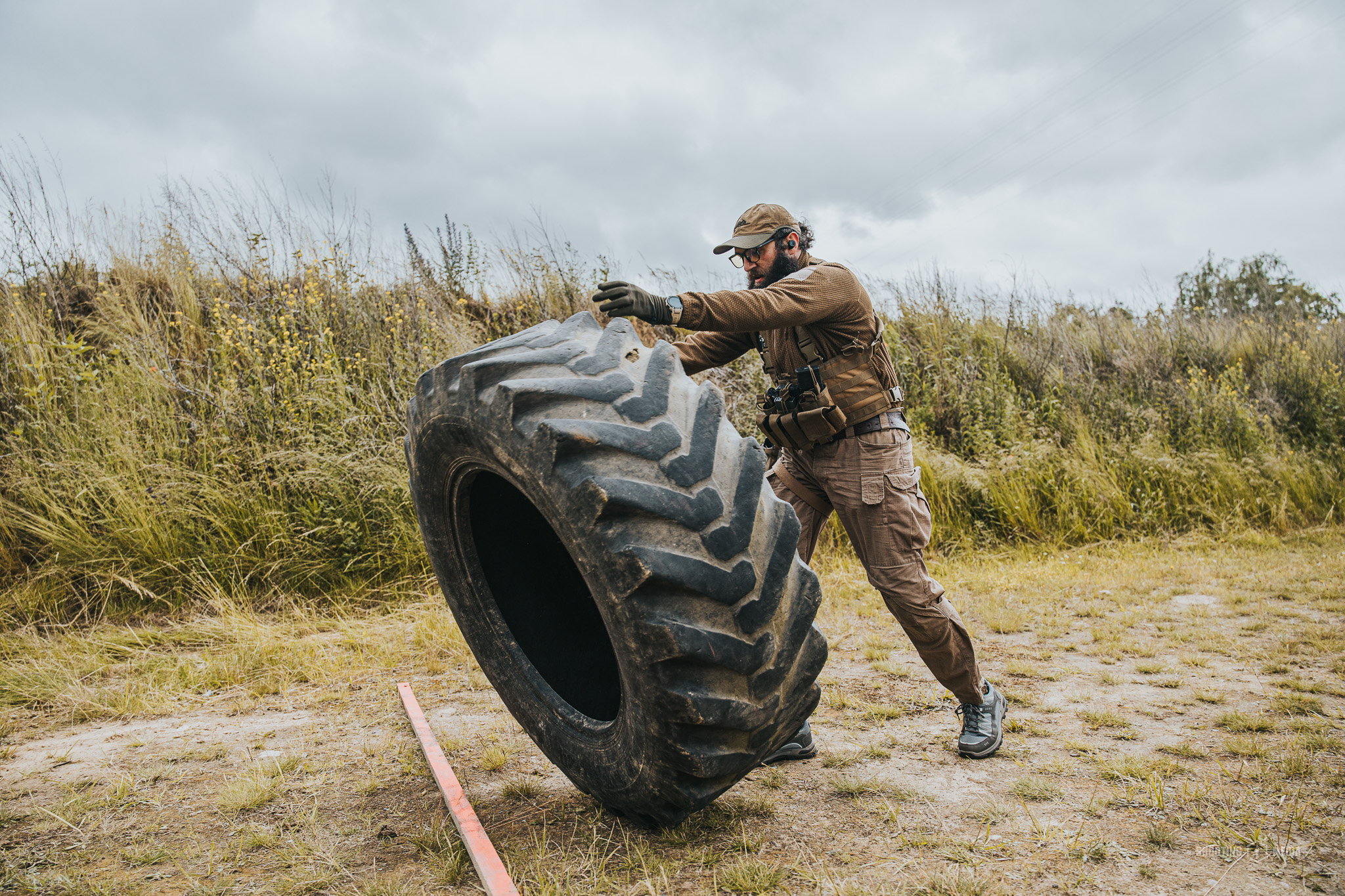
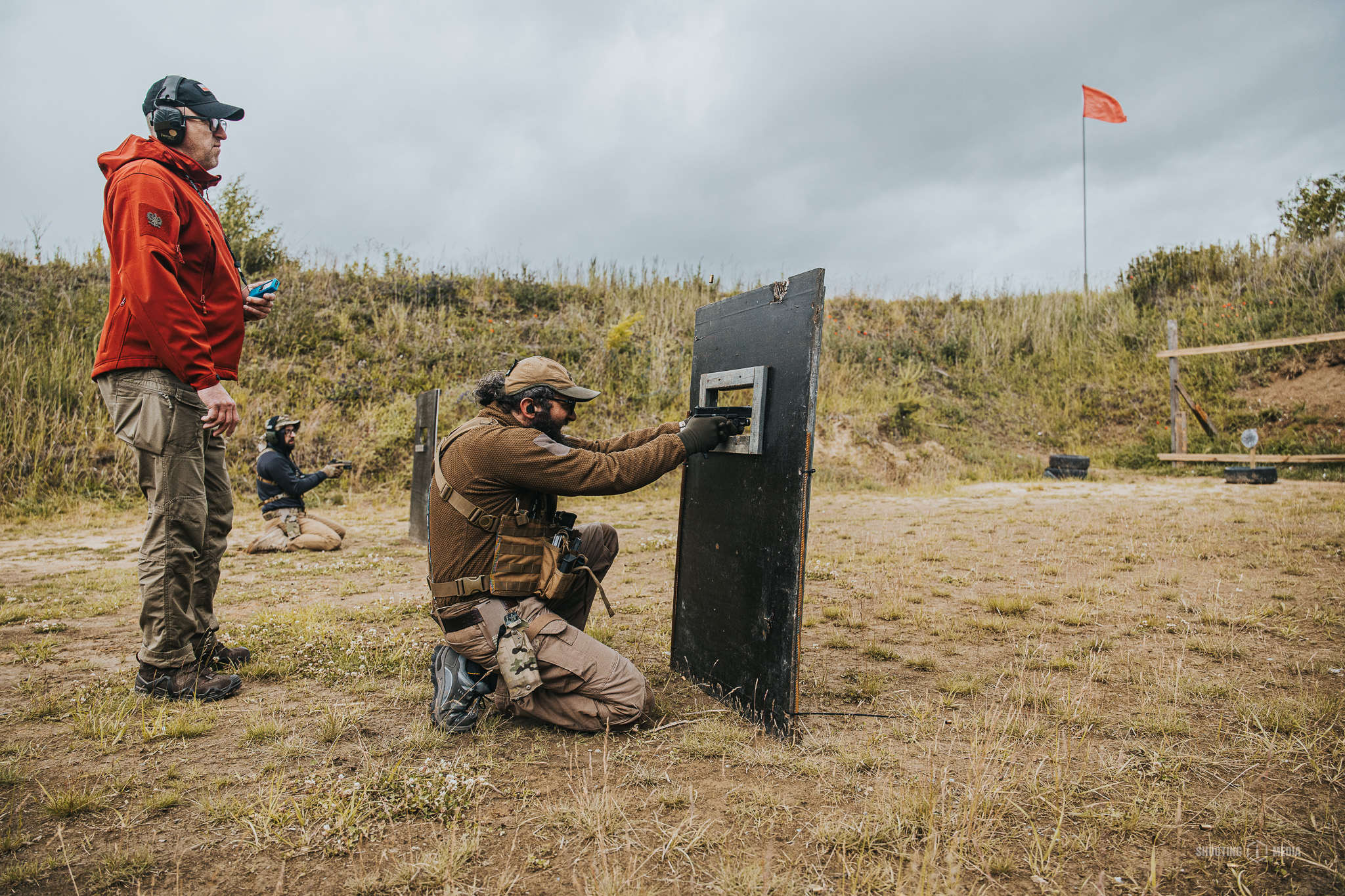
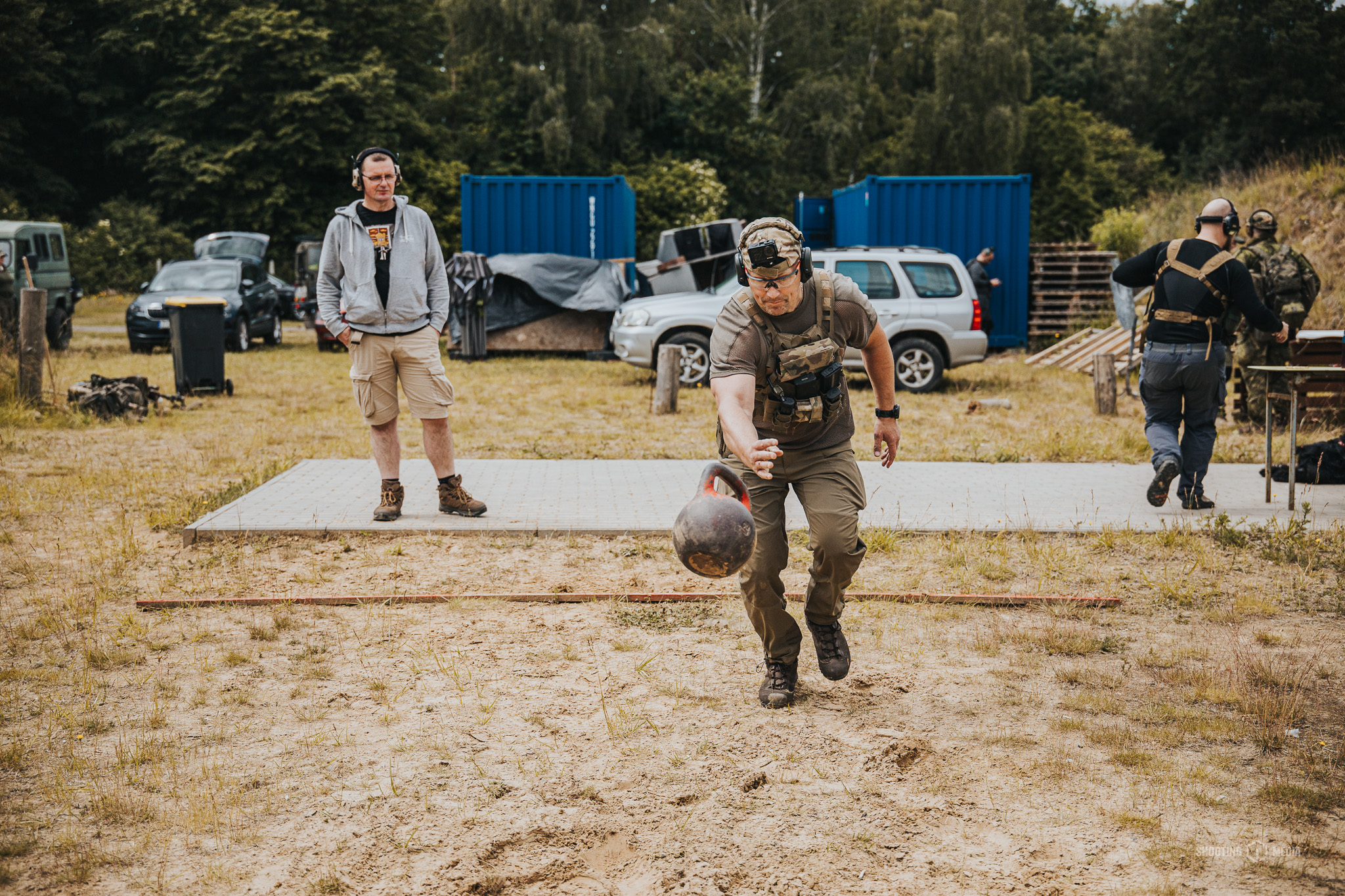
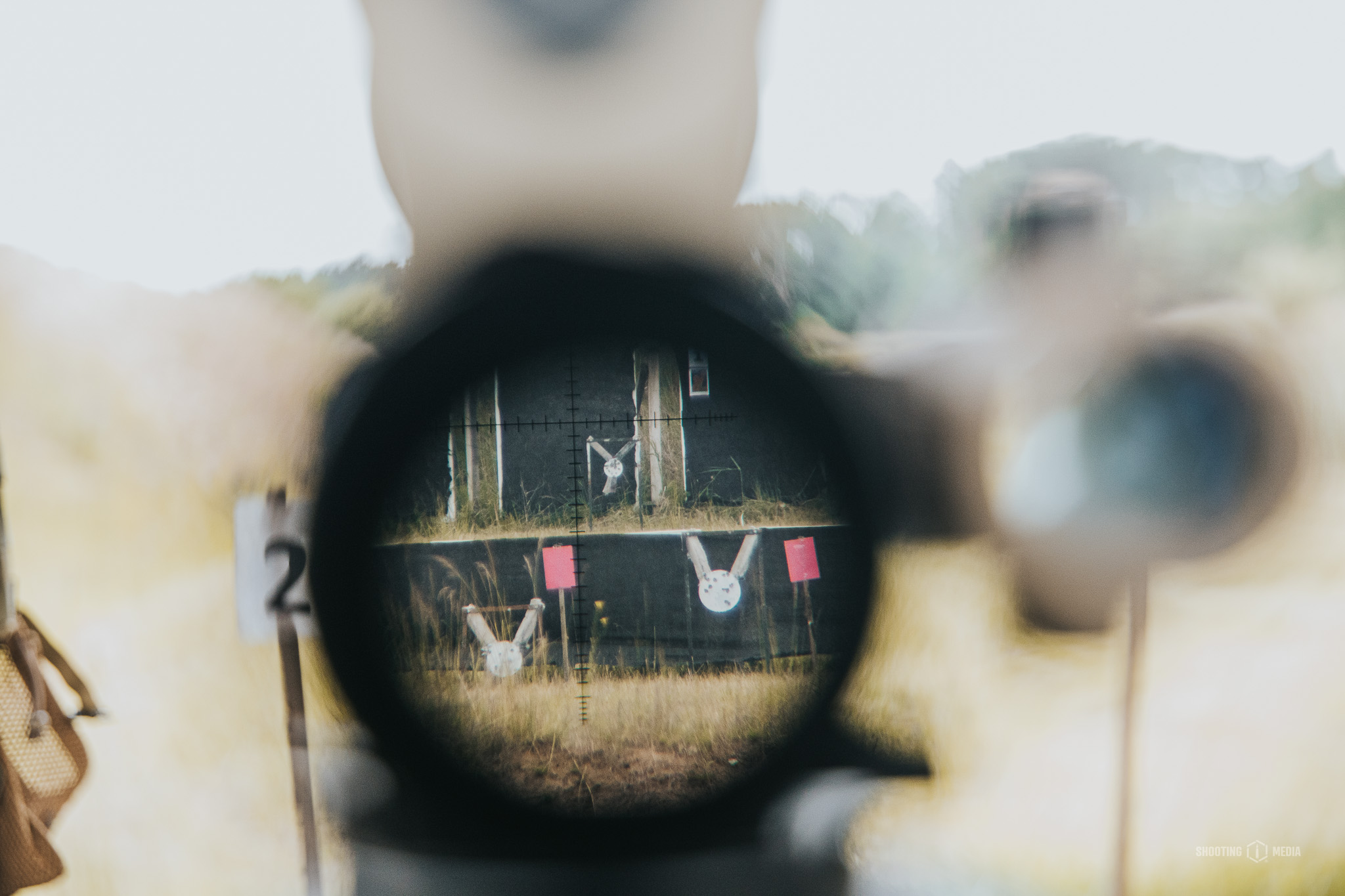
The remaining short stages focused on fast-paced engagements at close range, demanding equal proficiency with both the pistol and the rifle. Naturally, the now-famous kettlebell throw and tractor tire flip also made their return. One of the trademarks of Delta Recon Squad is the integration of the navigation phase with the shooting stages, where information gathered during the previous day's tasks provided, of course, that competitors managed to collect it correctly becomes essential. This year was no different. During one stage, the spotter had to identify the previously encountered HVT (High Value Target) from the daytime scenario and direct the shooter toward the correct target among several possibilities. In our case, the spotter did an excellent job... while the shooter (me) unfortunately did not.
Summary
This was already the fourth edition of Delta Recon Squad organized by the Gorzów B.R.A.S.S. Shooting Association. Every endurance-based tactical shooting competition currently held in Poland has developed its own distinctive identity, despite there being only a handful of such events. While the organizers undoubtedly inspire one another, none simply copies another's formula. Paweł Niemczuk and Łukasz Zapadka, the principal organizers, deliberately chose to separate the navigation phase from the shooting stages, while building the event around a reconnaissance-themed scenario supported by a simple but effective storyline. Personally, I believe this concept still offers plenty of room for further development. This year's edition was exceptionally well organized and, most importantly, genuinely engaging. The starting list included 28 Recon teams and 21 Sniper teams. For reasons unknown, eight teams failed to appear on the day of the competition, while another eight teams were defeated by the navigation stage and had to be evacuated back to the base. Although this did not eliminate them from the competition, it came at the cost of a significant number of points.
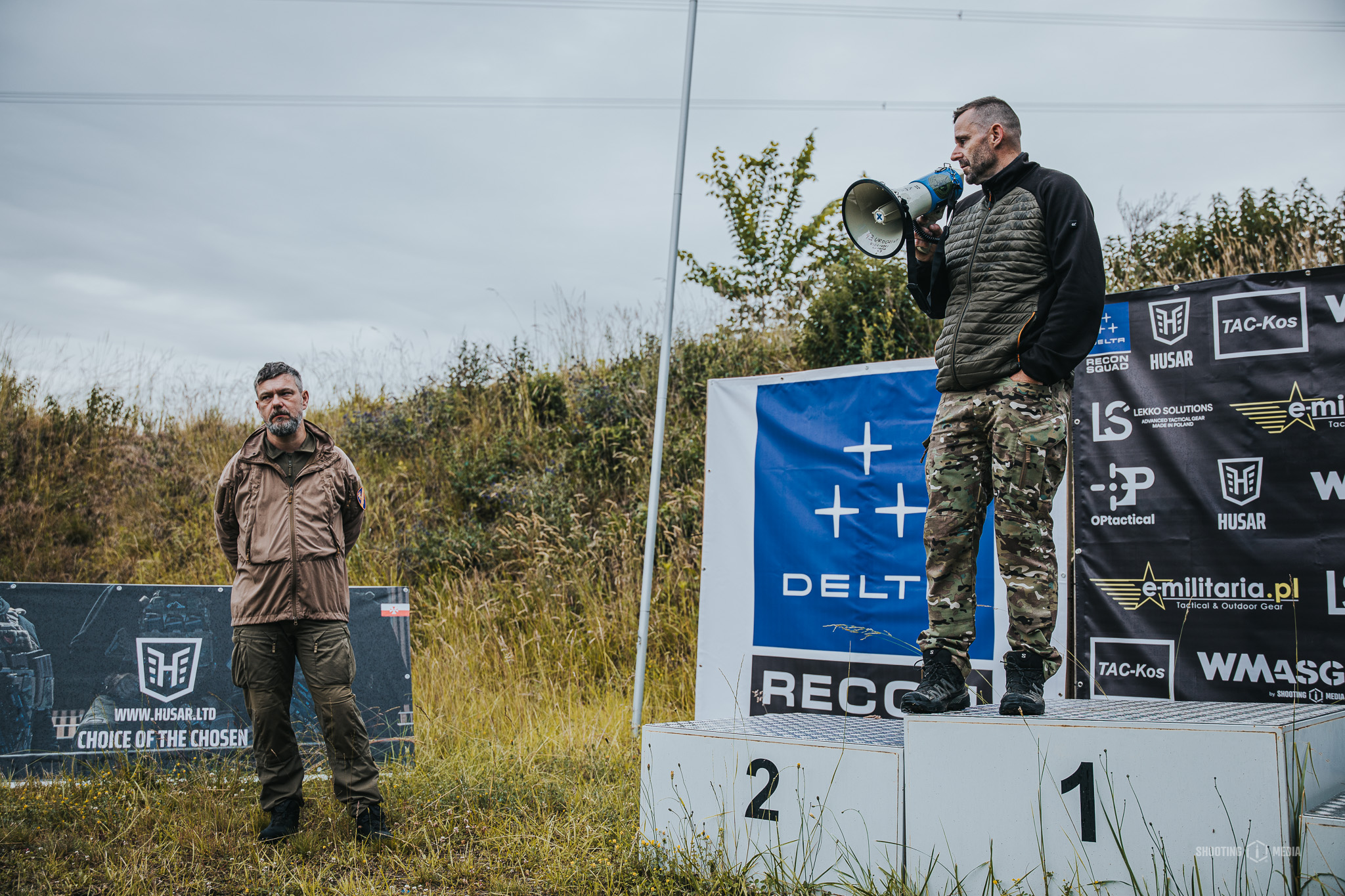
The main organizers of Delta Recon Squad – Paweł Niemczuk and Łukasz Zapadka
Since the very first edition, the event has been supported by the Polish optics manufacturer Delta Optical, serving as the title sponsor and providing its rifle scopes as prizes. Another long-standing partner is TAC-Kos, specialists in camouflage and sniper techniques, who also actively contribute to the competition itself by running the observation and stalking task. Husar sponsored a Noble 4.0 plate carrier together with a complete battle belt setup. This year's sponsor lineup was further expanded with E-Militaria and Lekko Solutions, a manufacturer of military-grade specialist backpacks. Last but certainly not least, there is OP Tactical, our friends producing outstanding riflescope covers (which we reviewed here).
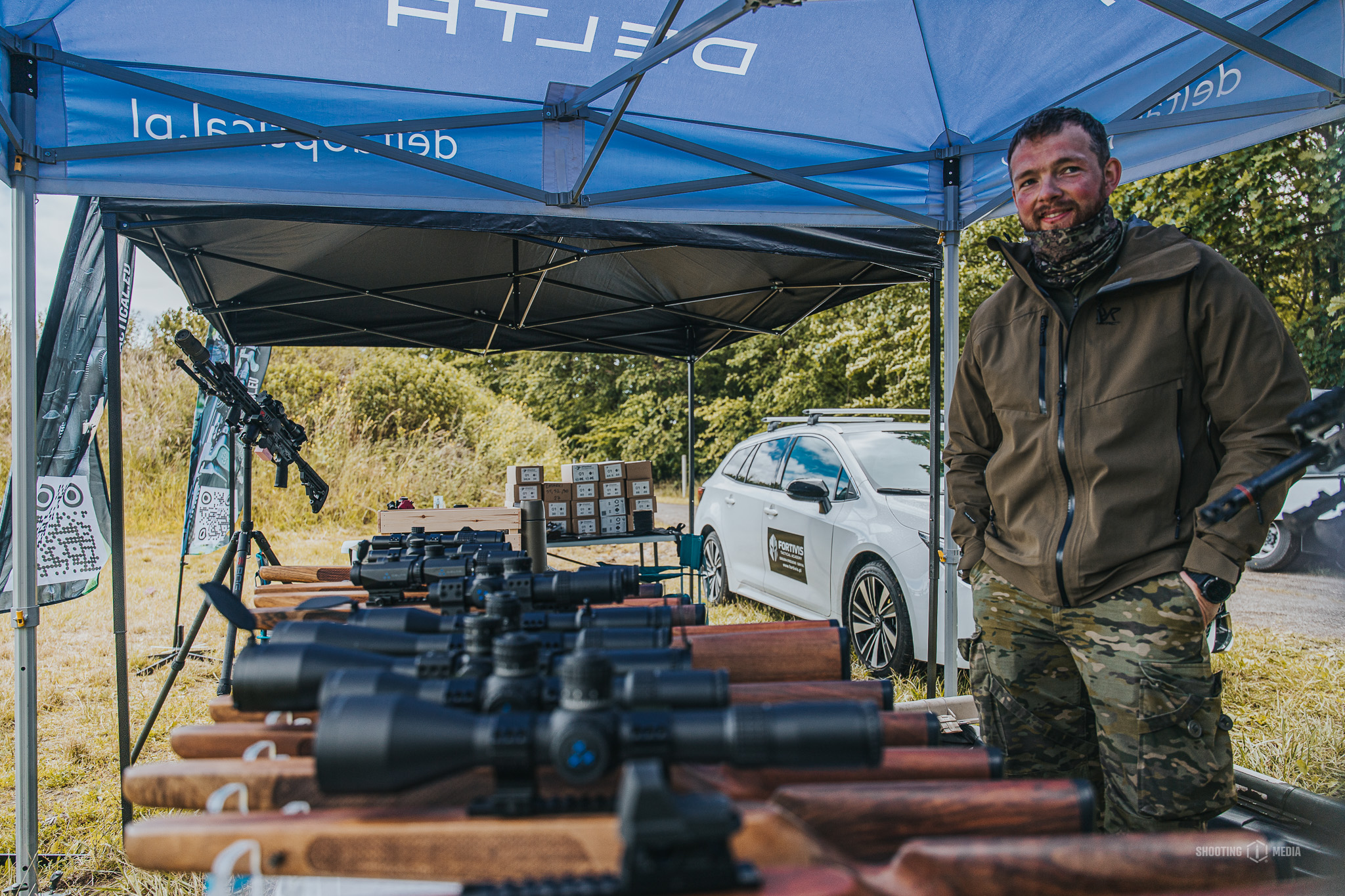
Mieciu, a multiple-time winner of Delta Recon Squad and several similar competitions, supported this year's event while assisting at the Delta Optical sponsor booth.
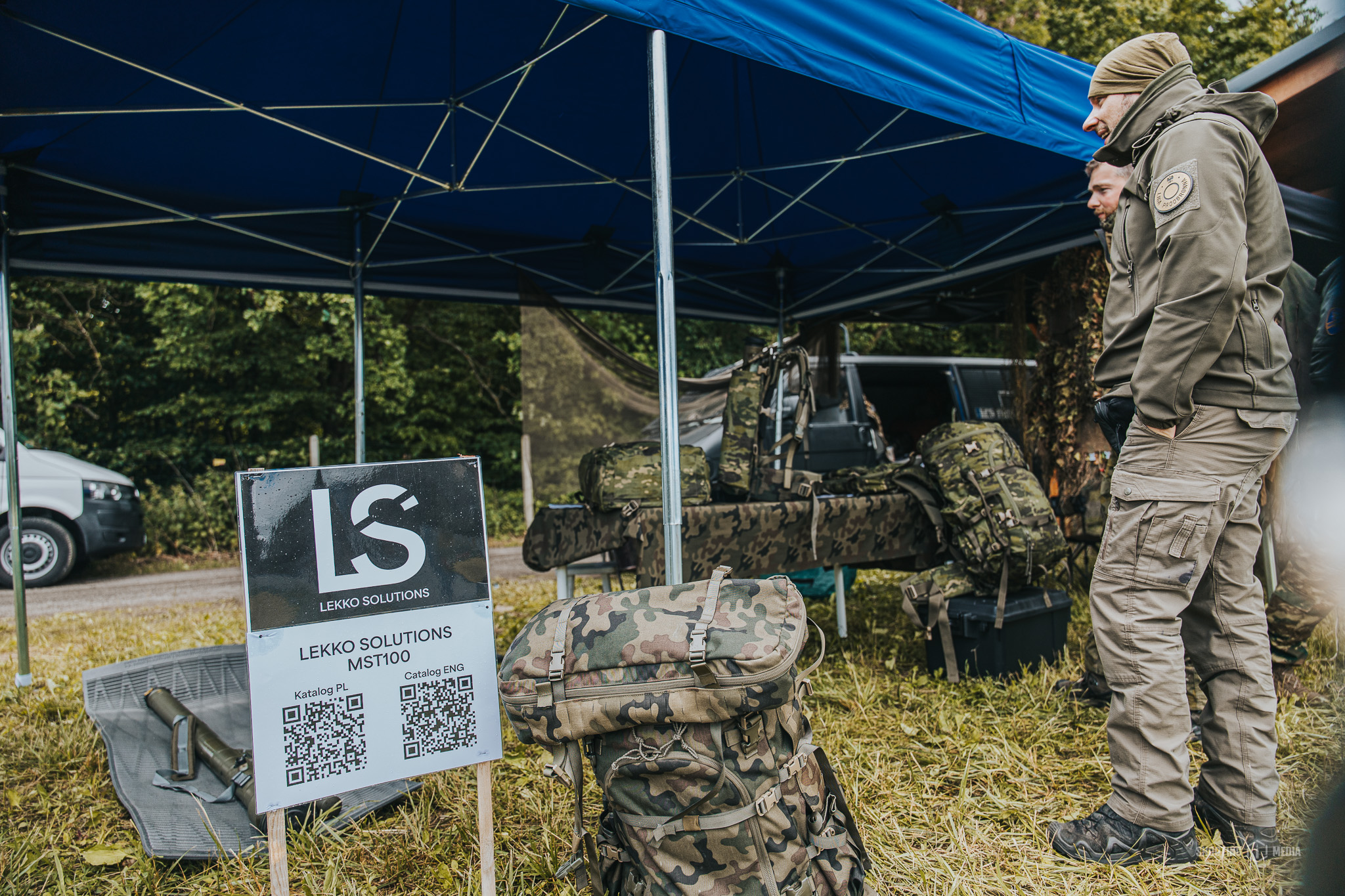
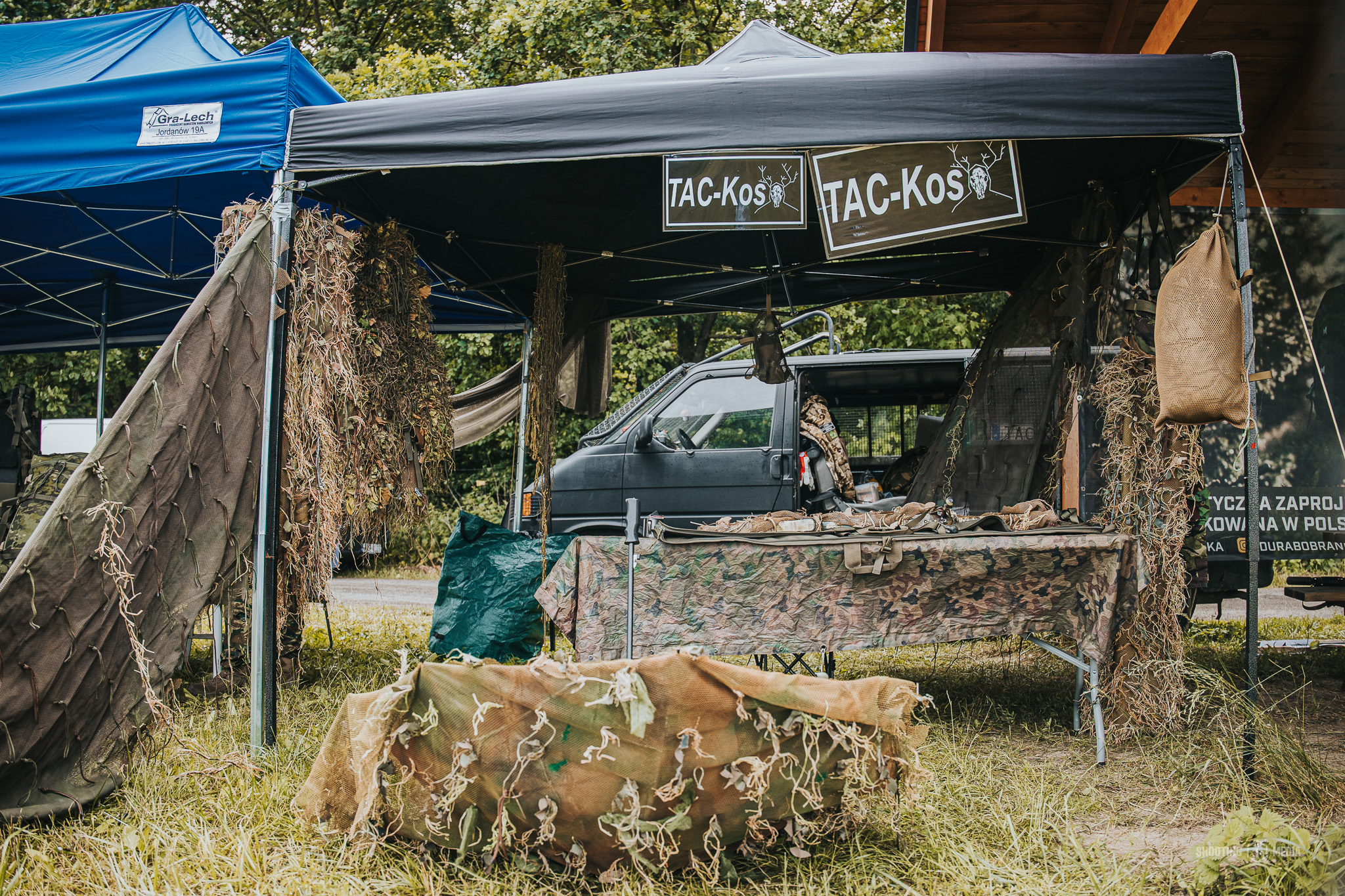
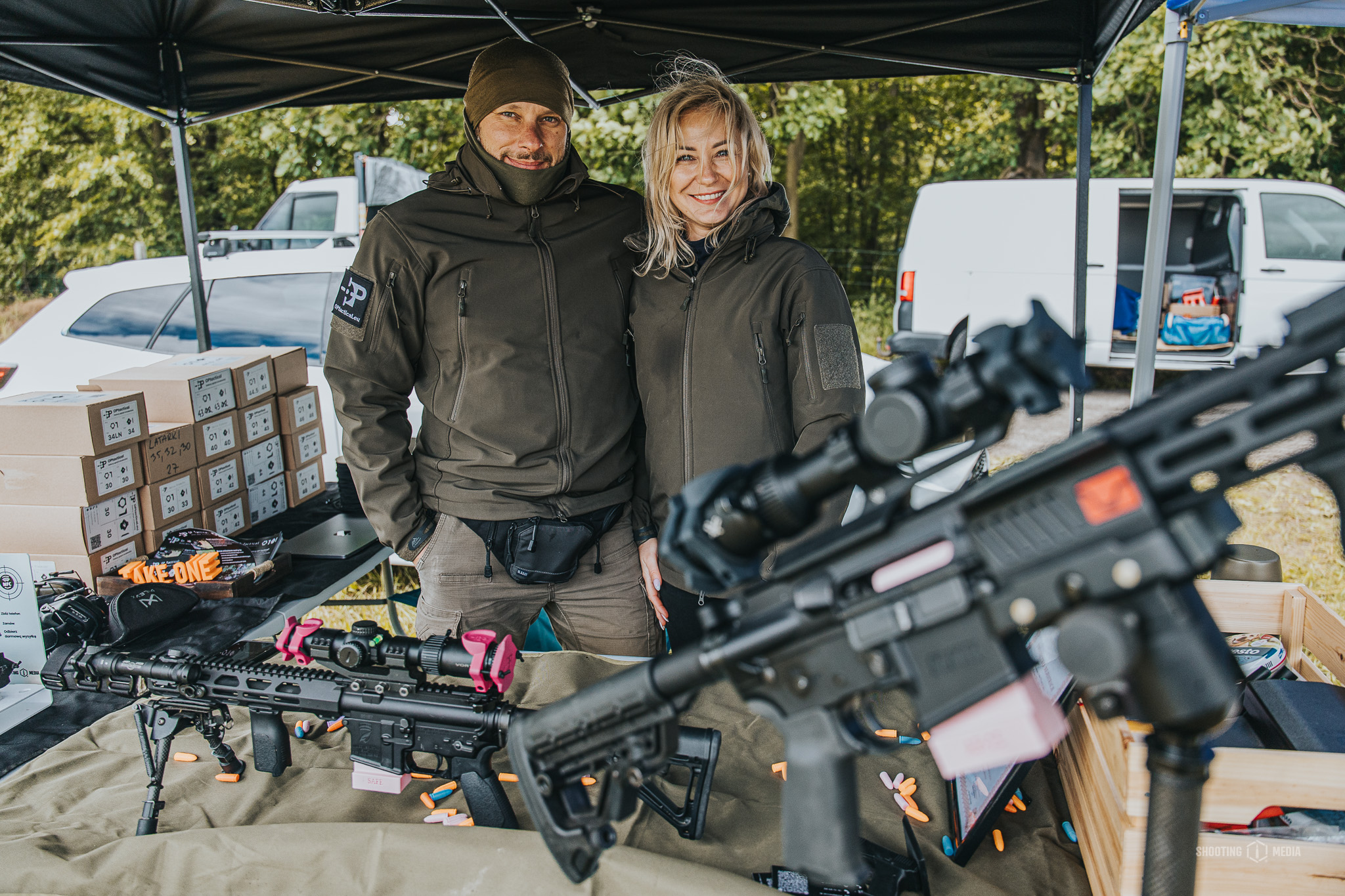
Compared to other competitions of this type, Delta Recon Squad has retained a more intimate atmosphere while continuously evolving and refining countless small details that improve both the flow of the competition and the overall participant experience. Paweł and Łukasz are experienced shooters, and it is evident that they are building exactly the kind of event they themselves would enjoy competing in. One of the best indicators of the event's quality is the number of familiar faces returning year after year. The competition also regularly attracts teams from Slovenia, Germany, and the Czech Republic. Finally, our congratulations go to this year's winners, the Guns Masters team and the representatives of the STS Shooting and Tactical Association. See you next year!
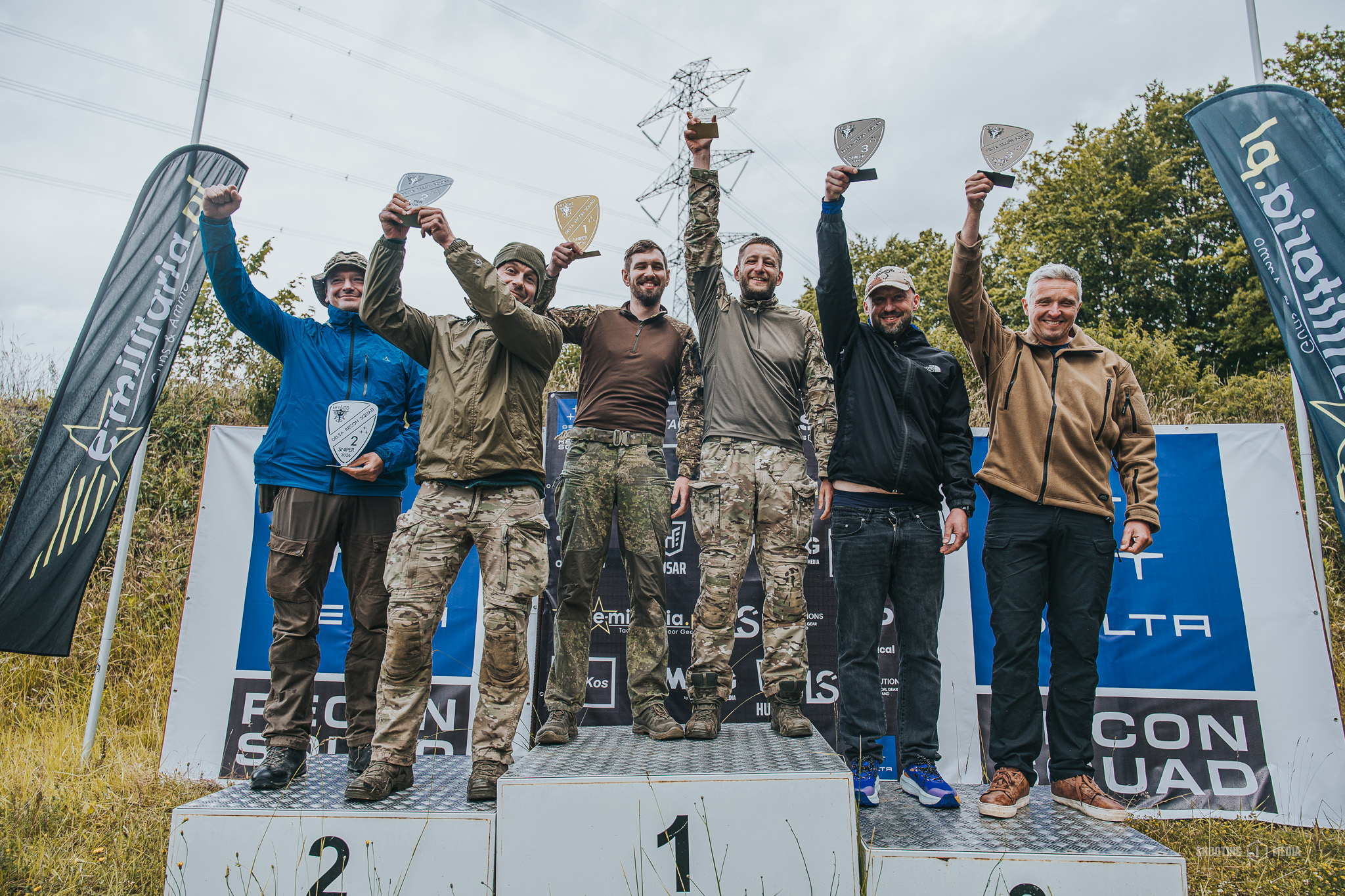
Sniper division winners
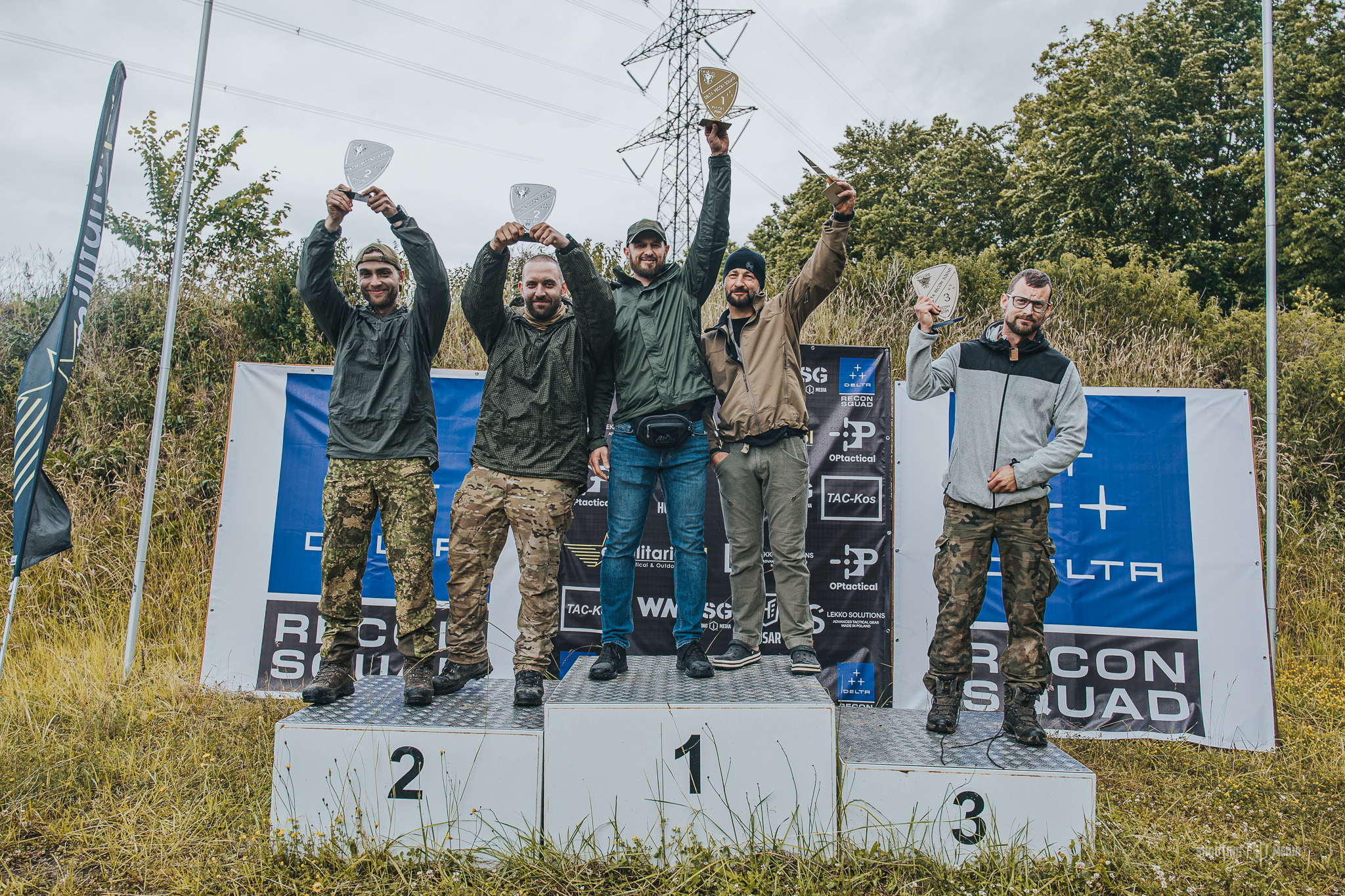
Recon division winners
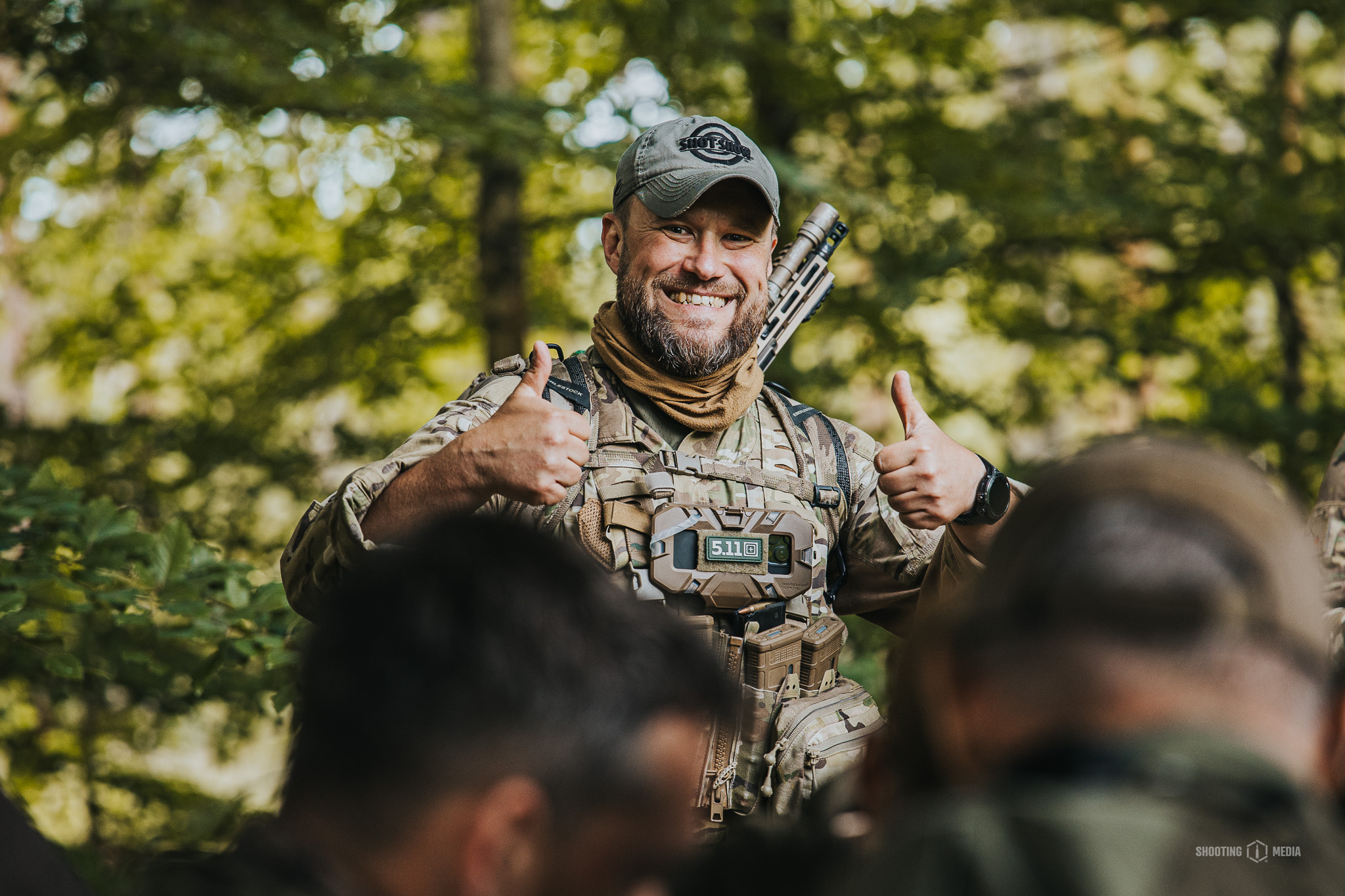
Delta Recon Squad 2026 – now that's an event!
Photos: Shooting.Media / Weronika Światkowska