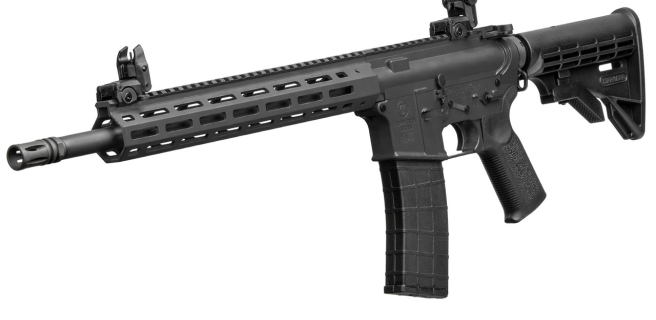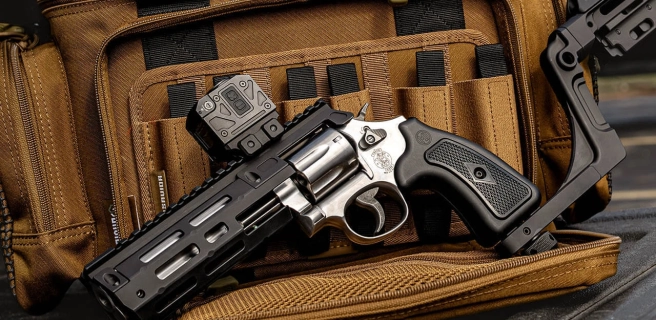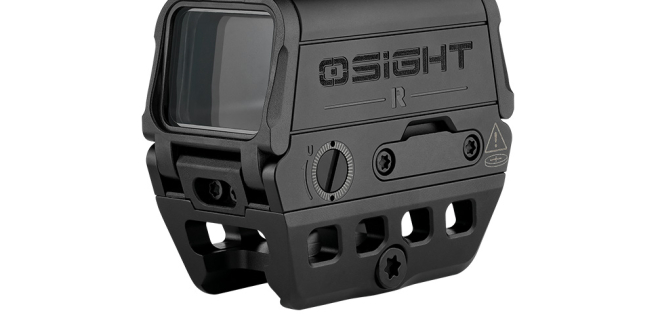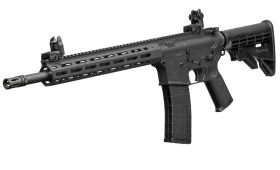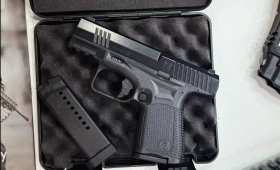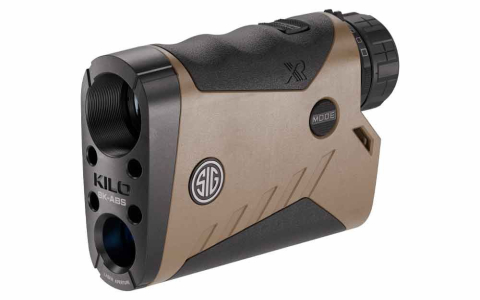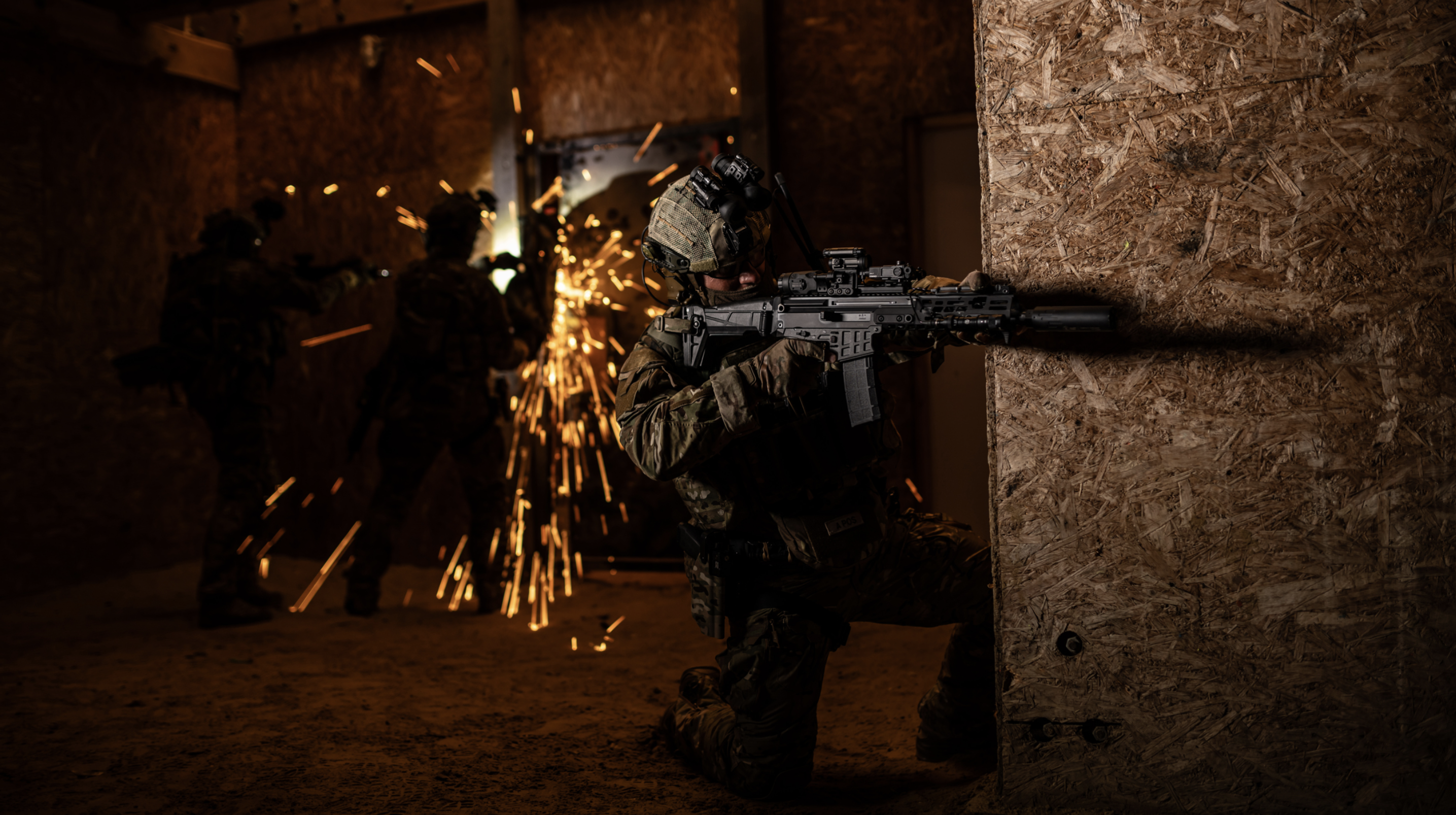

On July 23, 2026, the Czech Republic and Montenegro signed an implementing agreement to an intergovernmental defence cooperation agreement, paving the way for the first joint defence project. The following day, during the official visit of the Montenegrin prime minister to Prague, details of the agreement were publicly presented. Colt CZ Group will supply the Montenegrin Armed Forces with assault rifles, pistols, sniper rifles, submachine guns, accessories and various types of small-calibre ammunition. The most interesting element of the order is the CZ BREN 3 assault rifle. The implementing agreement follows the intergovernmental agreement signed by the defence ministers of both countries on May 19, 2026.
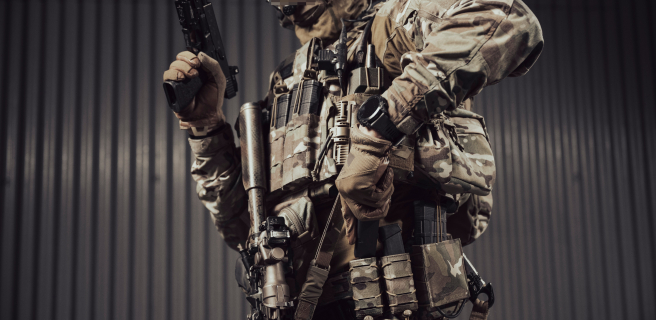
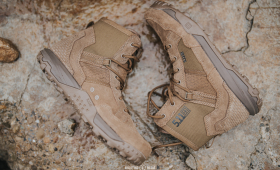
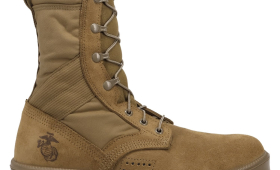
The project will be carried out on the Czech side by several entities. Colt CZ Group will act as the industrial partner, while the state-owned LOM PRAHA will be responsible for integrating the entire project. Deliveries will be divided among companies belonging to the group. Česká Zbrojovka will provide the small arms, Sellier & Bellot will be responsible for ammunition, and 4M Systems will supply tactical equipment.
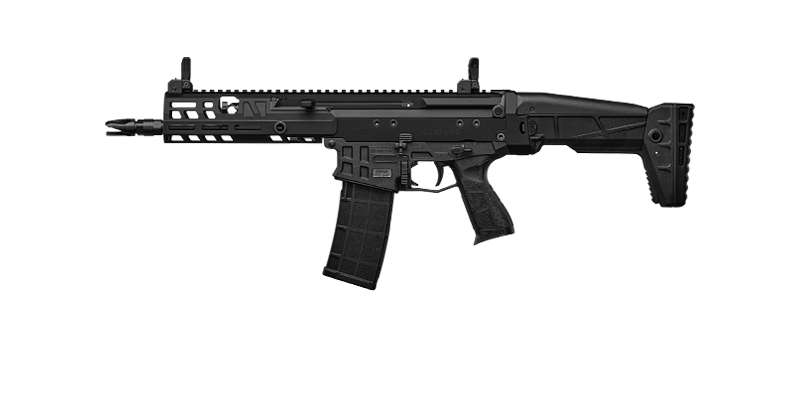
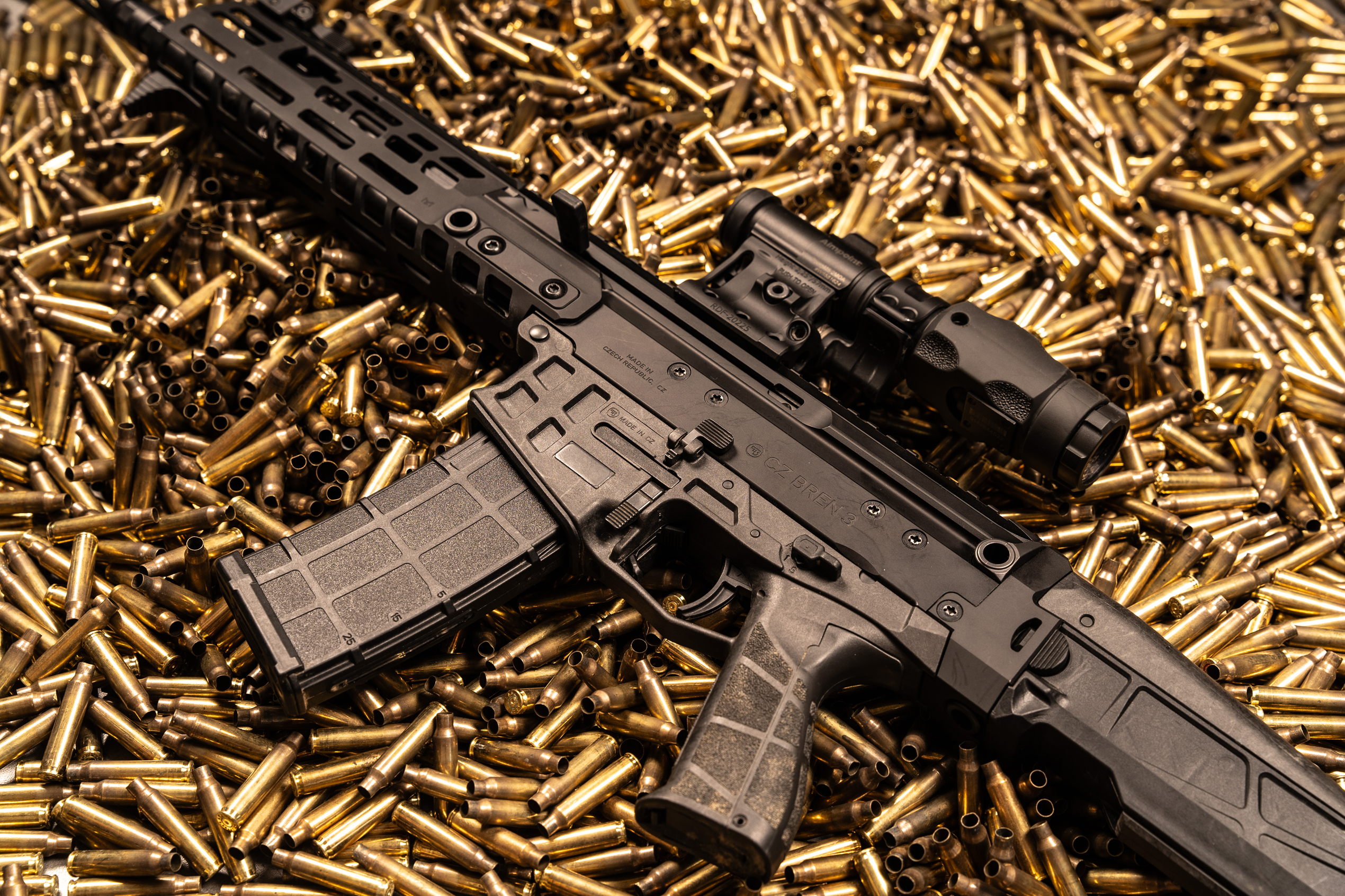
For Colt CZ Group, however, the selection of the BREN 3 is more significant than the scope of the order itself. The company describes the Montenegrin contract as the first adoption of this model by a NATO member state, which effectively gives the rifle an important reference user as it begins to establish its position on the military market. The BREN 3 is the latest development of Česká Zbrojovka's BREN family of assault rifles and, as a further evolution of the BREN 2, retains the family's characteristic short-stroke gas piston operating system. The rifle is offered in 5.56 x 45 mm NATO and .300 AAC Blackout, with the family including several barrel-length variants. Changes compared with the previous generation include a modified and extended aluminium-alloy handguard, a reinforced hinge and redesigned stock, as well as improved control ergonomics and a folding, ambidextrous charging handle. The BREN 3 retains the short-stroke gas piston system already used in the BREN 2, along with a three-position gas regulator. Montenegro is therefore not selecting a completely new system without an established track record.
Montenegro is one of NATO's smallest countries not only geographically, but also in terms of military capabilities. The country joined the alliance in 2017, and its armed forces number approximately 2,300 active-duty personnel. This means that even a comprehensive small-arms order will not be a programme comparable in scale to the armament programmes of larger European countries. The Montenegrin military currently uses, among others, the HK G36 and Tara TM-4 as its standard assault rifles, although it is not known whether the Czech BREN rifles are intended to replace them. Colt CZ Group has not disclosed the number of units of each type of weapon included in the order.
For Montenegro, the contract represents another stage in the modernisation of its armed forces, but for the Czech companies involved, it has a broader significance. The BREN 3 is gaining foreign users, while the Czech defence industry is demonstrating its ability to offer customers a complete package encompassing weapons, ammunition and equipment. The contract is therefore a milestone in the expansion of the Czech design.
Photos: CZ