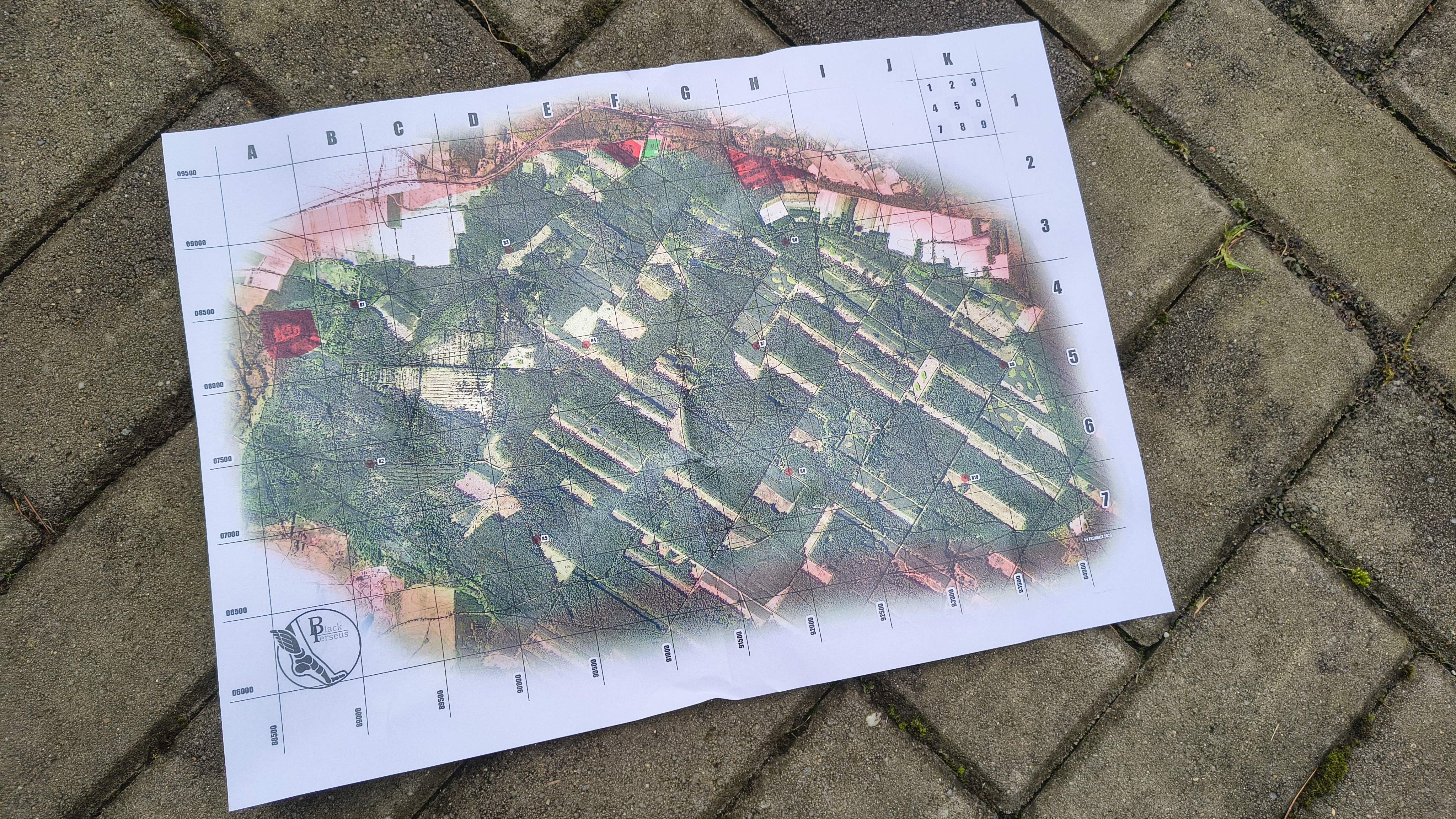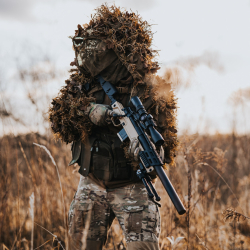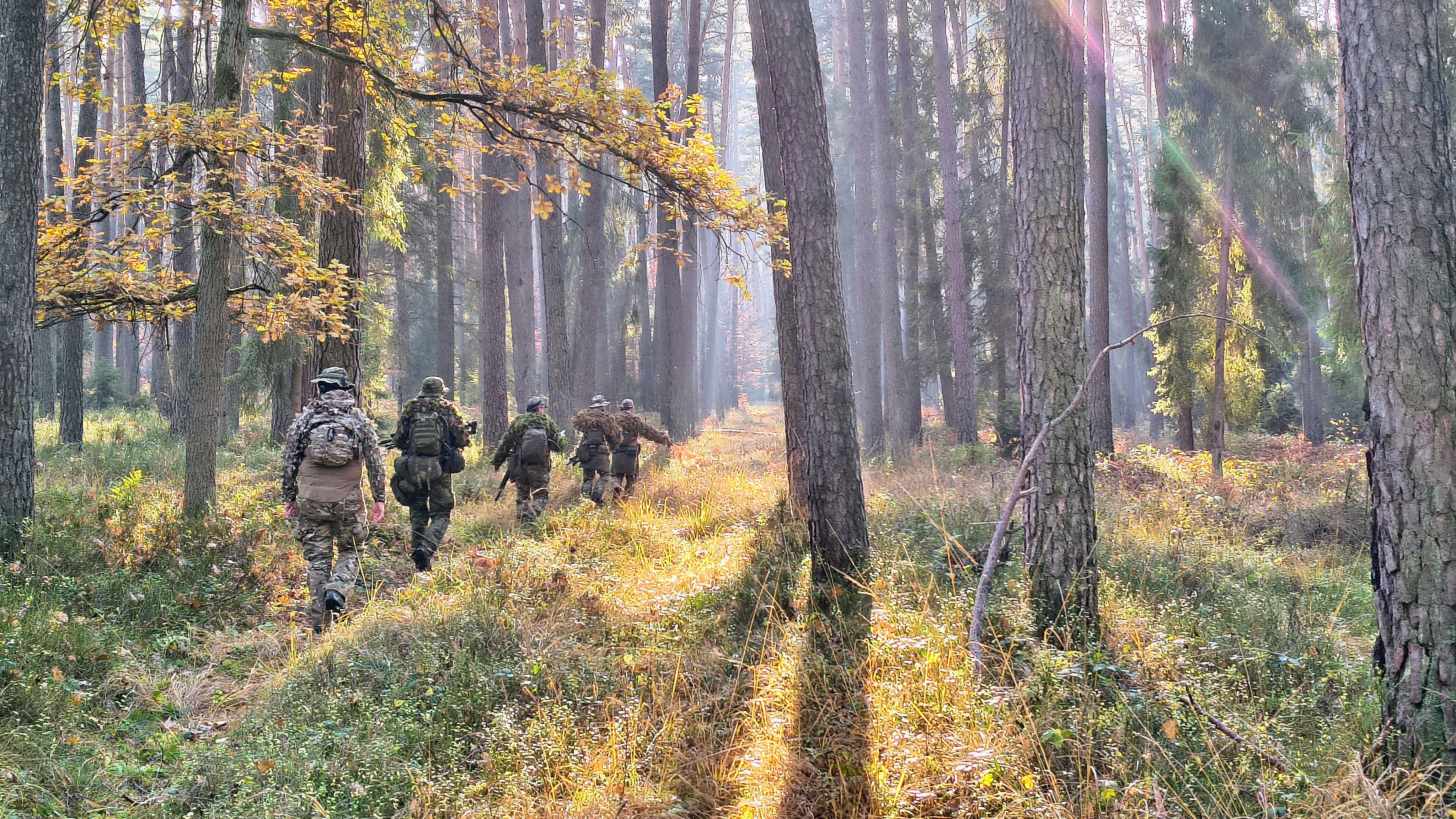
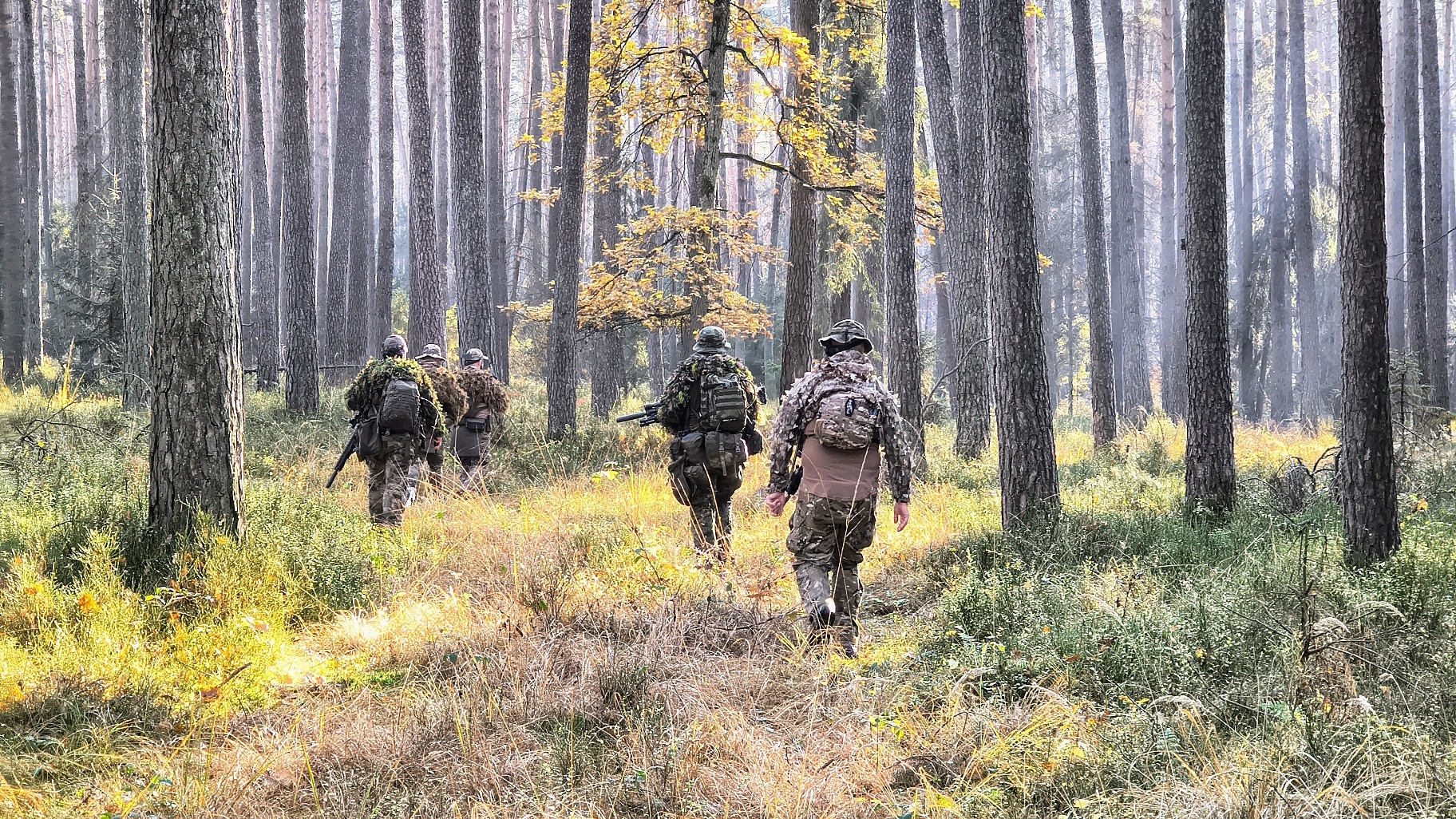
On Saturday, 8 November, in the forests near Tułowice (Opole Voivodeship), the seventh edition of the well-known airsoft game prepared by the Airsoft Perseus team, originating from the Deadline Wrocław group, took place.

Black Perseus is a team-based game that regularly attracts numerous groups from all over Poland. This year’s edition was the largest in history: 22 independent teams took part (some arrived from distant regions such as Podkarpackie or Mazowieckie), each consisting of up to 10 people. In this type of competition, each team operates independently and competes with the others. Activities conducted over a large area filled exclusively with opponents provide an excellent opportunity to test coordination, effectiveness, fitness, as well as navigation and decision-making skills under time pressure.
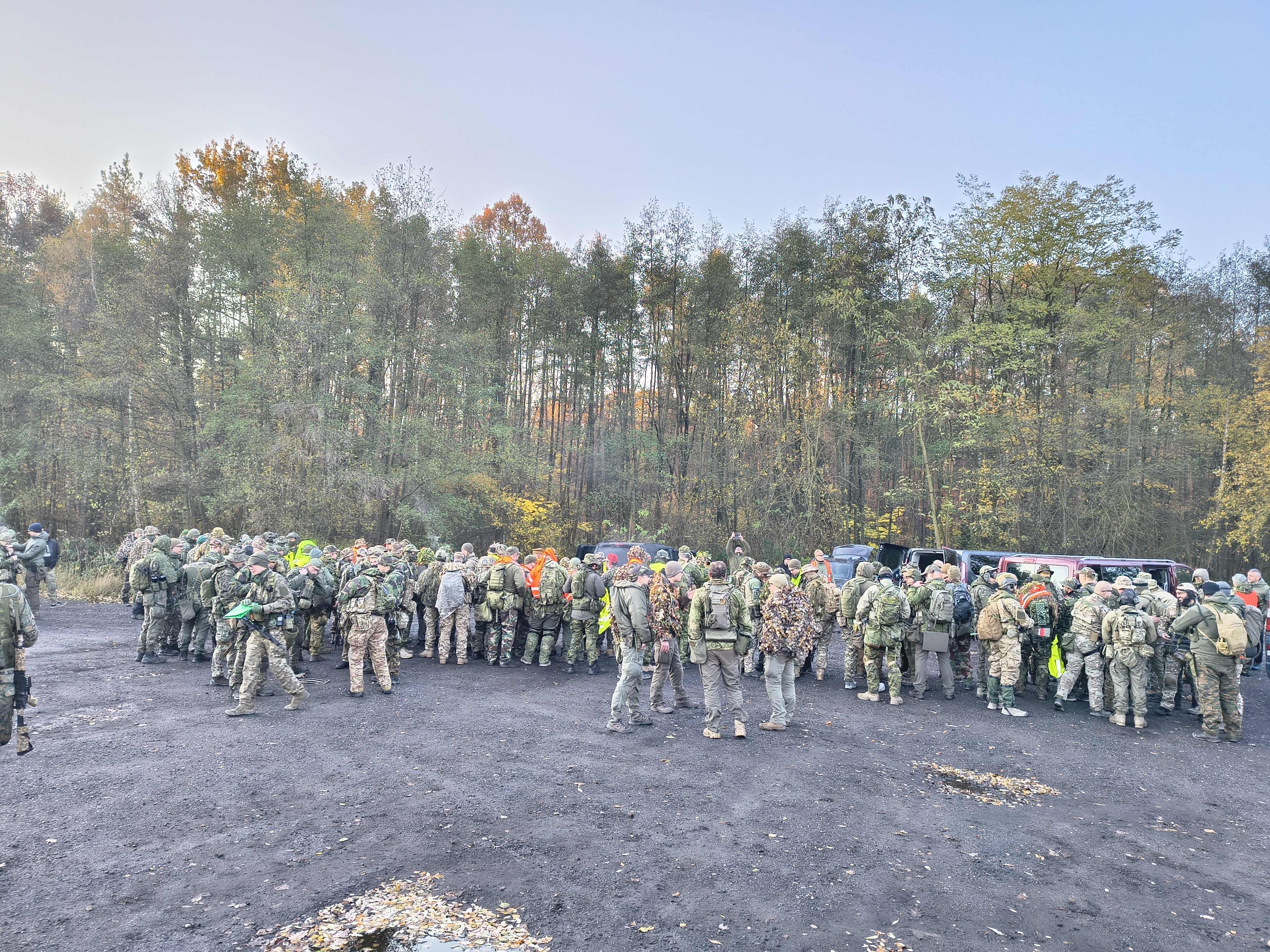
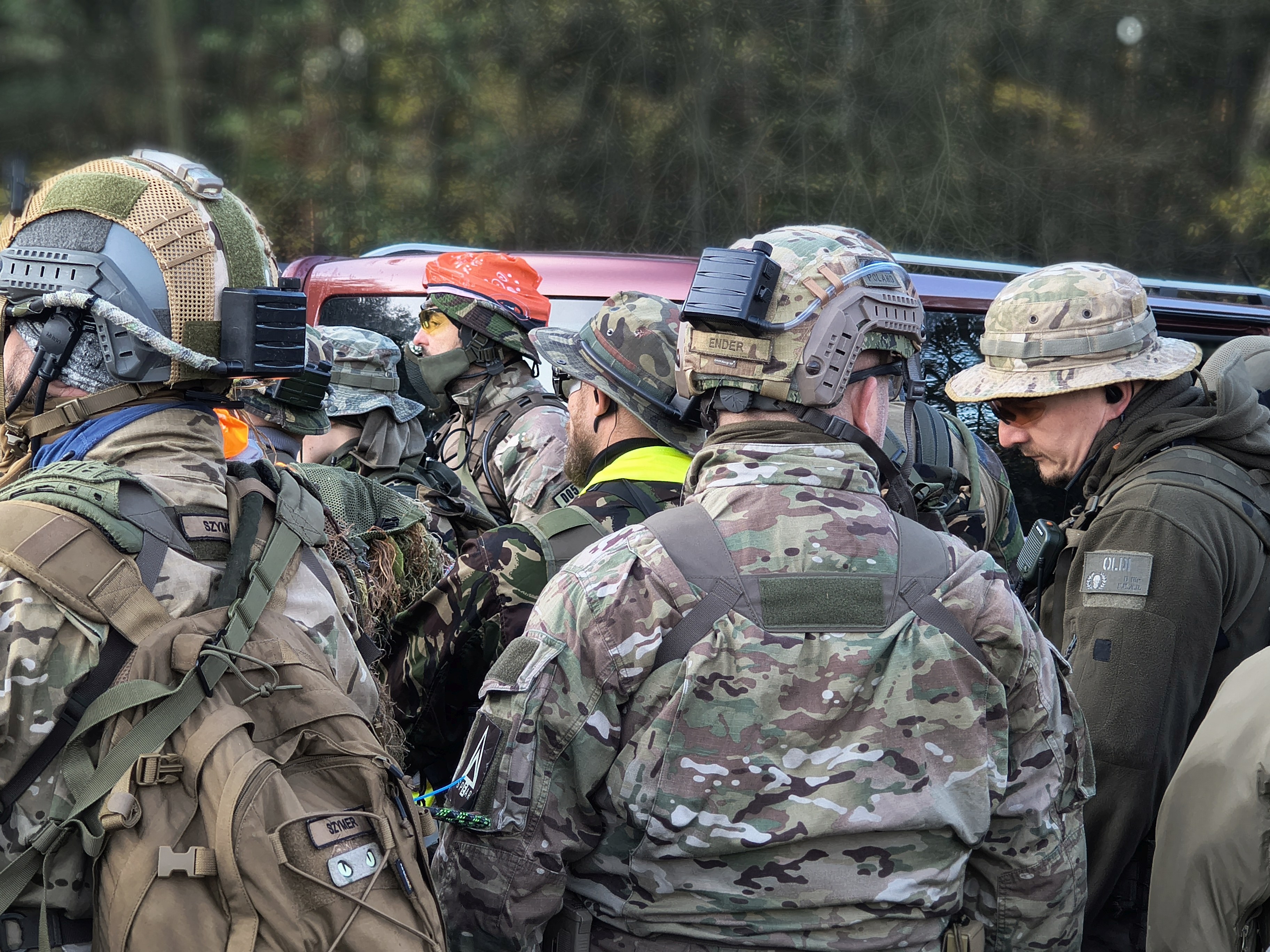
The manoeuvres lasted just under 9 hours — they began at 9:15 and ended after dusk. During this time, participants worked toward their score by completing special tasks prepared by the organisers, collecting opponents’ “souls”, and finding control points.
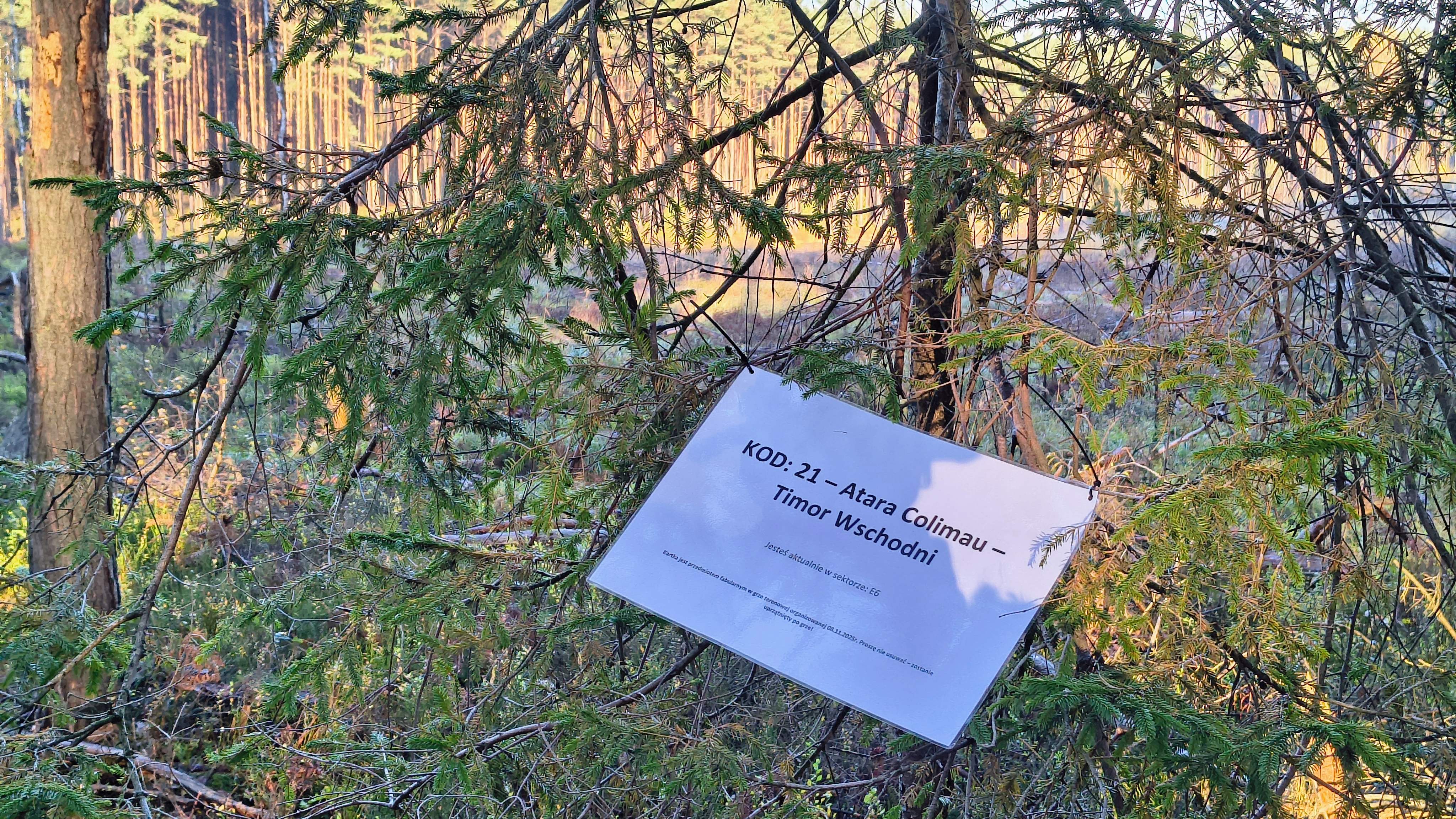
With attendance increasing each year, securing a place on the podium has become even more difficult. It required excellent planning, covering around 30 kilometres in the field, and… a bit of luck. Teams that lose it during the manoeuvres may end their participation prematurely, forfeiting all the “souls” that allow them to return to the game.

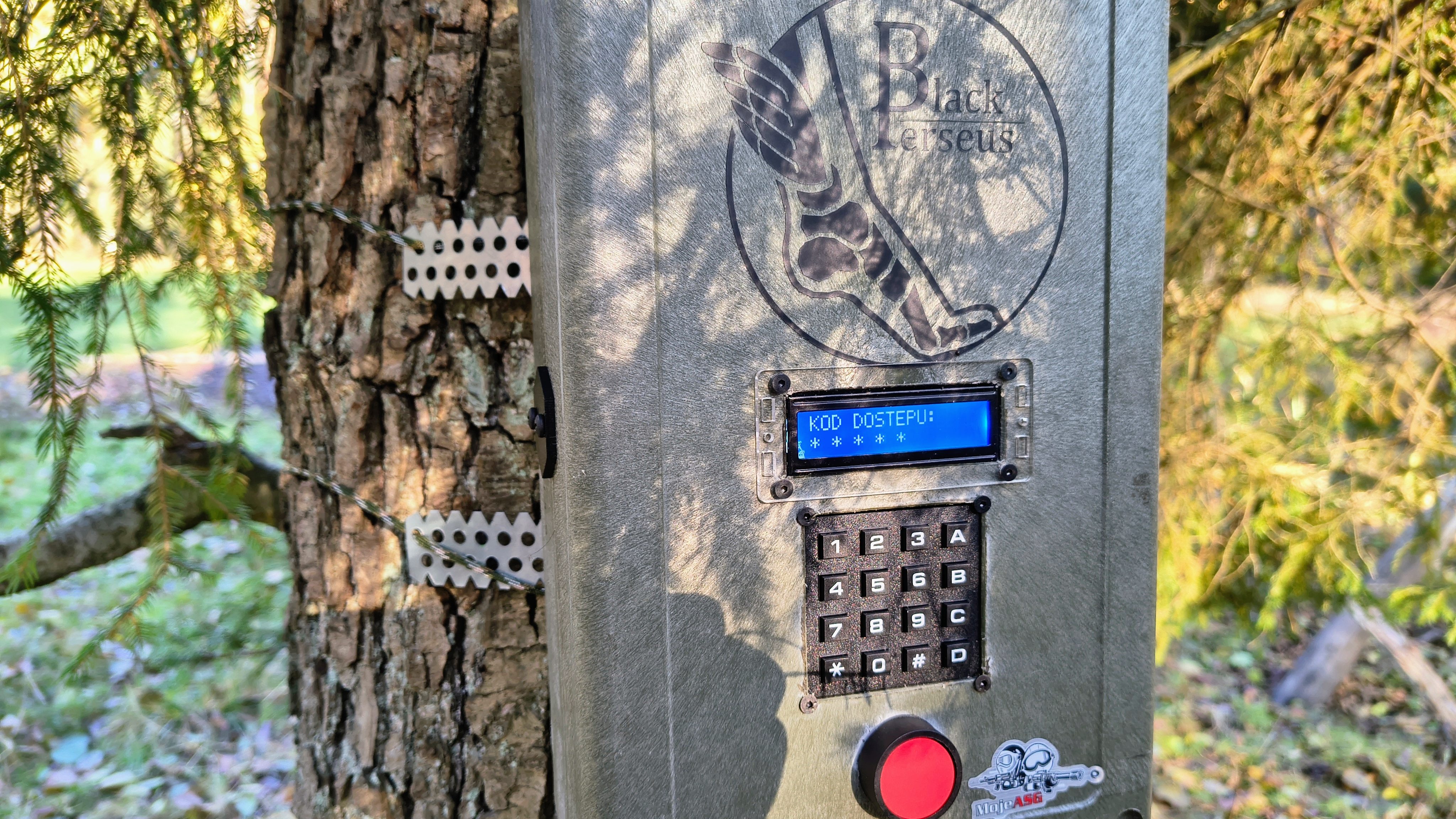
Although the event has been held in the same area for several years, the organisers ensure that each edition requires a fresh approach by introducing mechanical improvements and new tasks. This was also the case this time. Guidelines included, among other things, interaction with NPCs, operating electronic devices, analysing GPS traces, combat, and solving puzzles leading to codebreaking or determining additional OBJ coordinates. Many tasks were multi-stage and offered higher scores but also involved greater risk of failure. For added variety, team positions could be tracked by opponents using GPS locators. Being wiped out in combat was particularly painful, especially when the squad carried narrative, transferable items: besides losing points, they also lost the most valuable resource — time.

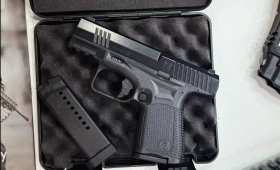
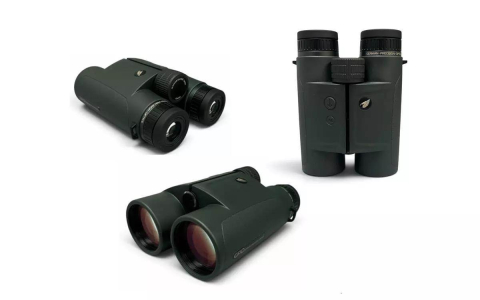
The novelty this year was the time limitation for most tasks. It was no longer enough to plan a route that merely “passed by” the points — teams had to reach their vicinity within a strictly defined time window. Examples of tasks prepared for this year by the organisers can be seen in the graphics below.
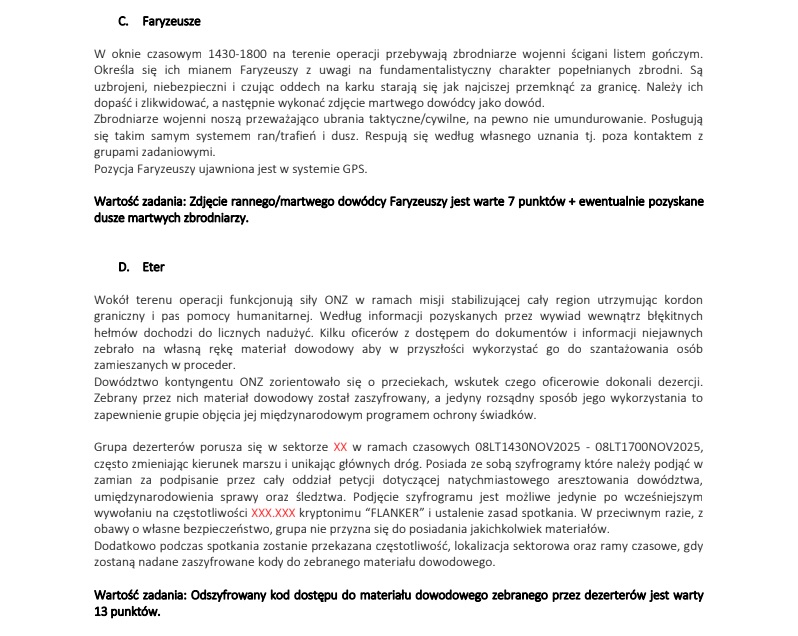
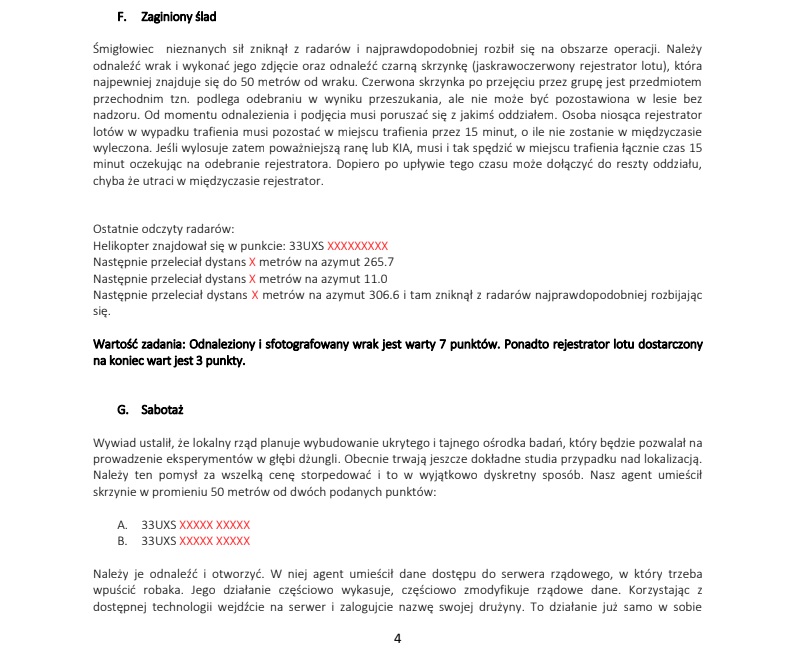
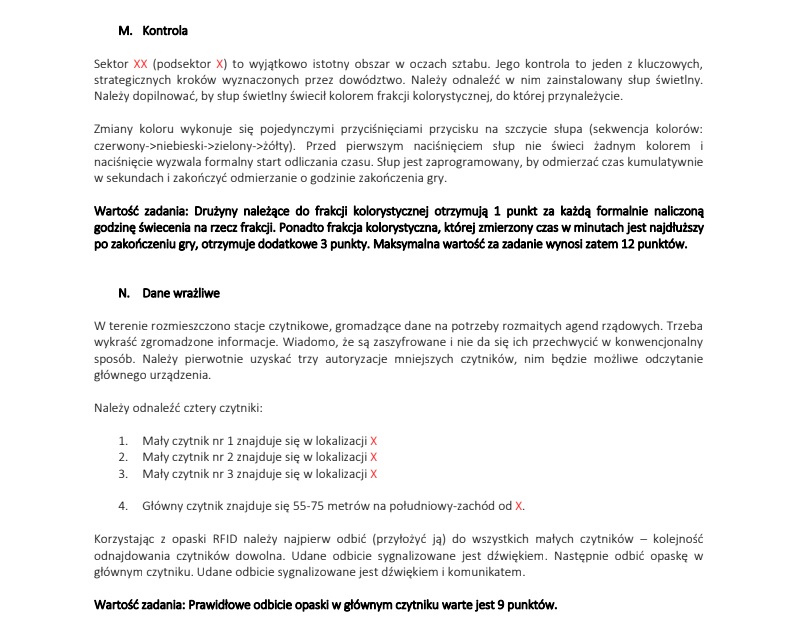
The final stage of the competition was returning to the offgame zone on time and reporting to the organisers. Teams that remained in the field too long and failed to reach the finish point received significant point penalties, which could nullify many hours of effort.
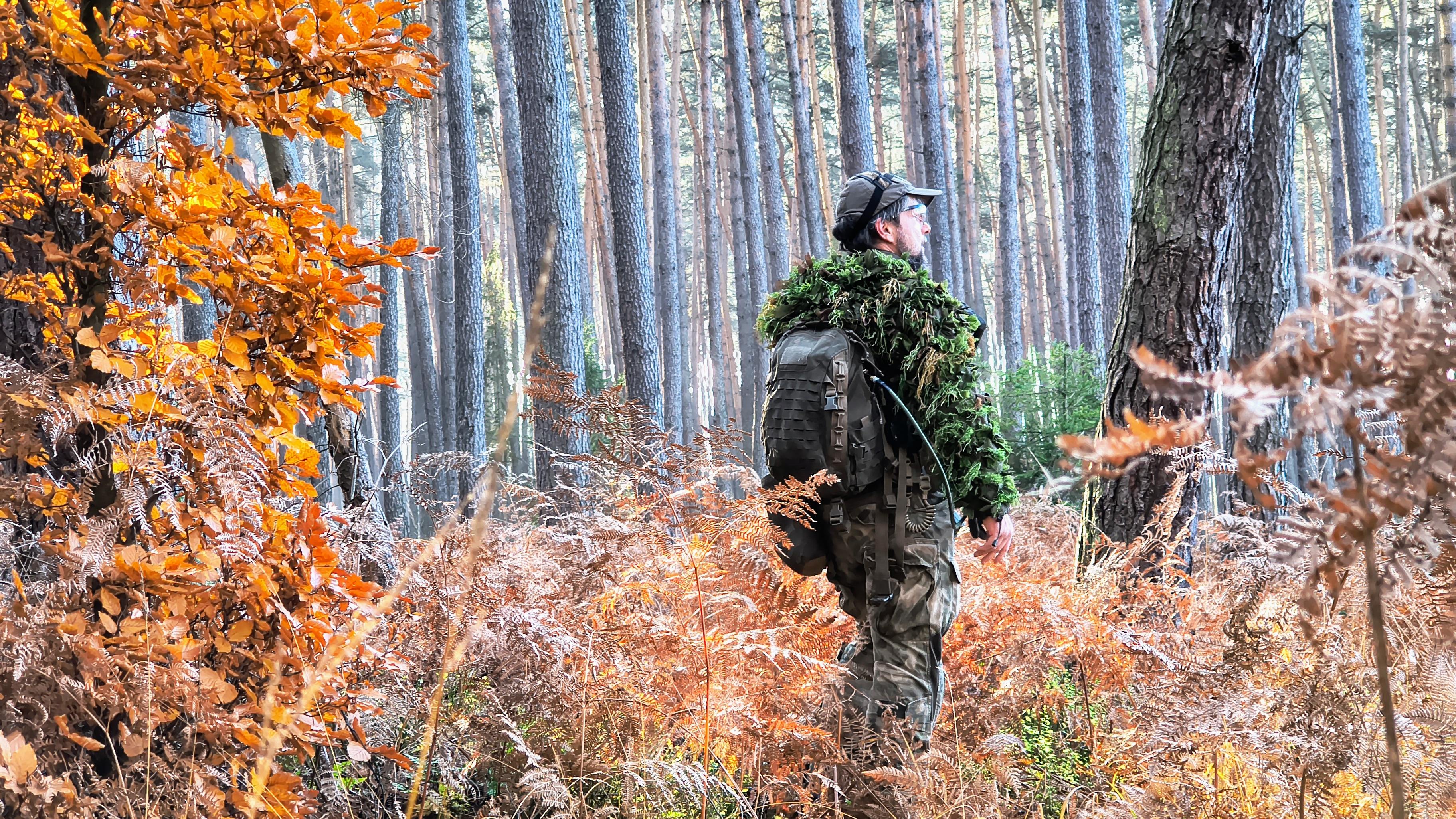
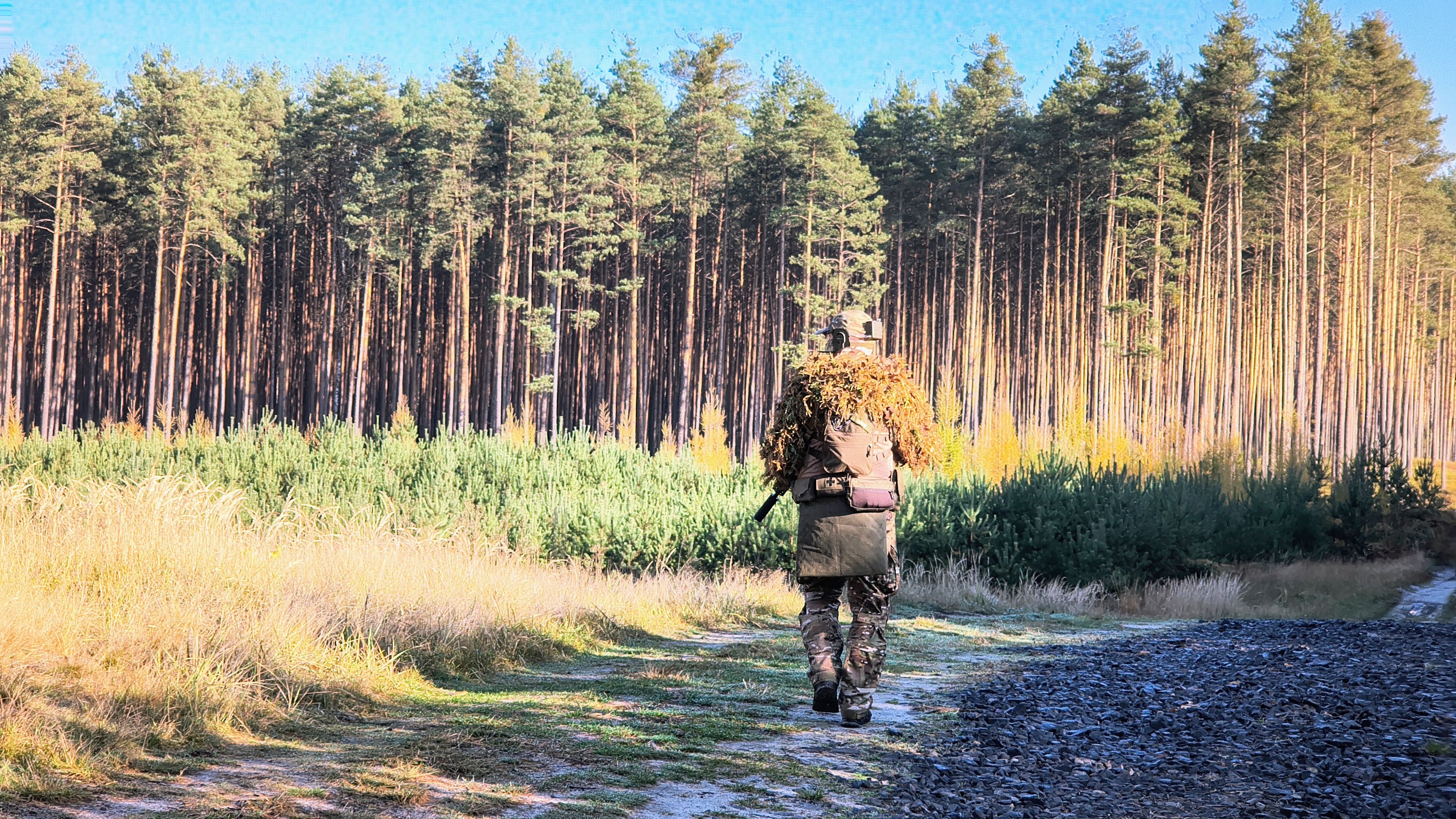
This year’s edition once again ran almost without issues. The organisers have long ensured that participants understand the rules as clearly as possible — in addition to detailed regulations, an audio interpretation is recorded each year, which can be listened to on the way to the game. An additional briefing for all players is held on site. Nevertheless, with nearly 200 people competing in the field, it is difficult to completely avoid conflicts. Among the teams, complaints could be heard about the lack of visible referee presence in the field, who could resolve disputes, and about insufficiently strict enforcement of energy limits during replica chronograph measurements.

All props we encountered during the game worked flawlessly and were positioned according to the locations indicated in the coordinates.
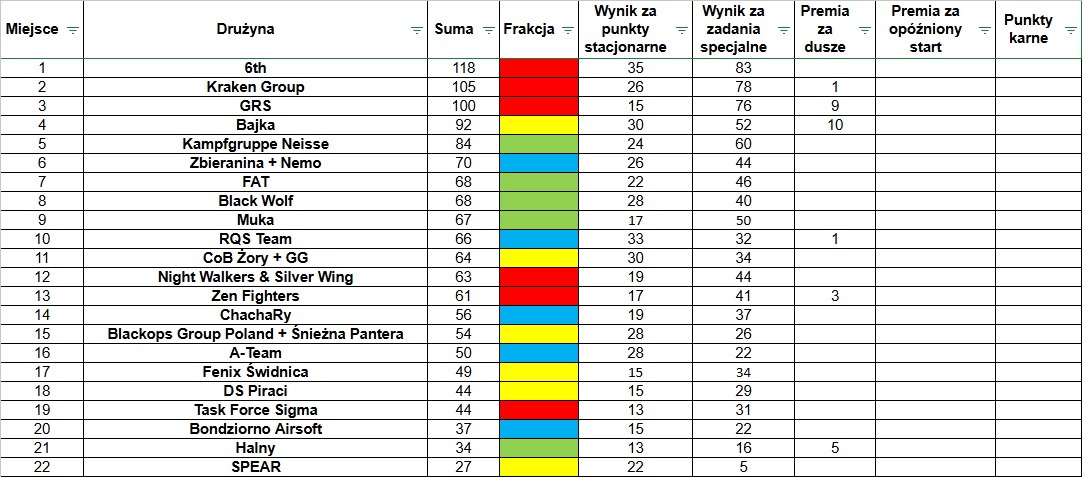
The seventh edition of Black Perseus ended with the victory of 6th Grupa ASG Warszawa, which — fielding only a 5-person lineup — achieved an excellent score of 118 points. A report and full AAR can be found on the team’s social media profile. The podium was completed by Kraken Group and Grupa Rozpoznania Specjalnego — worth noting is that both also exceeded the 100-point threshold.
The organisers from Airsoft Perseus have not yet published an official summary of this year’s event. We can only hope that their enthusiasm will not fade, and that in the 2026 season — alongside their recurring smaller events — we will see another edition of Black Perseus. The growing attendance with each edition clearly shows that the team-based competition formula is far from exhausted. We also believe that with the introduction of a few minor improvements (e.g. increased referee presence in the field), the attractiveness of these manoeuvres could grow even further.
We encourage you to read our reports from other interesting airsoft games we took part in this year. These include:
Fedrunek 2025 — a large staff-type game
Rat Race VI — one of the progenitors of Polish team-based games
Operation ANODA VI – NIGHT — a night team-based game with milsim elements
And, of course, the largest staff-type game in Poland this year, which — just like our editorial team — is vying for a nomination in the ongoing Airsoft Players' Choice Awards, namely MARSH 6.