Polish company Lesovik has unveiled its proprietary FARBA camouflage pattern system, developed specifically to effectively conceal medium-sized objects in natural environments. In this context, medium-sized objects are those larger than a person but smaller than a vehicle. Rather than being a single camouflage pattern intended for one category of equipment, the solution was created as an independent design platform capable of generating advanced camouflage patterns tailored to specific environmental conditions. In practice, FARBA is simply a camouflage design methodology based on a fully parameterized architecture, where every structural element can be modified for new applications. This allows new camouflage pattern variants to be created and further developed quickly.
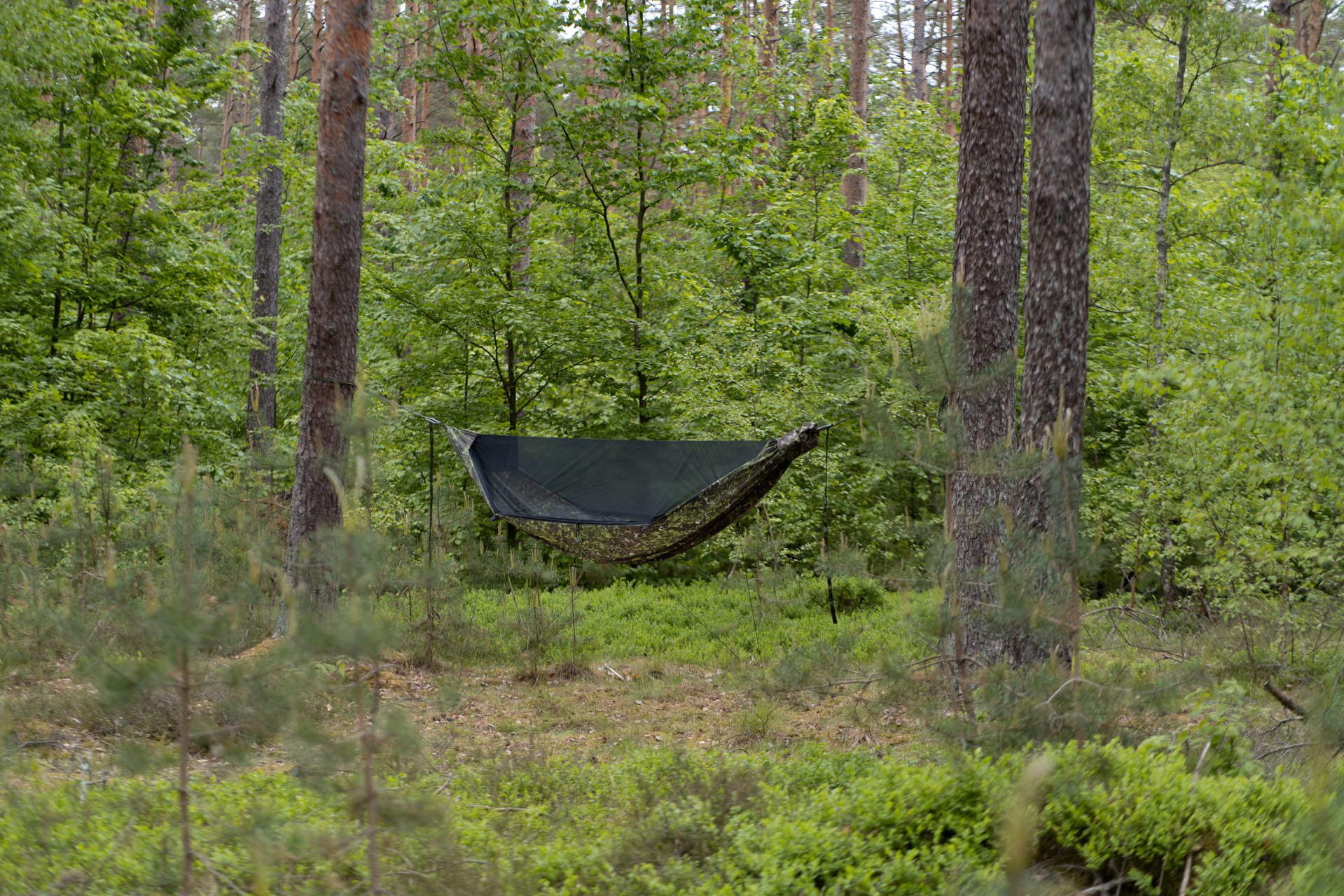
Lesovik is a Polish company operating since 2013, specializing in the design and manufacture of outdoor equipment, primarily including tarps, expedition hammocks, underquilts, and camping accessories. However, FARBA patterns are solutions that can also find applications in strictly military environments. The inspiration for developing the FARBAsystem came from theMAPAcamouflage design study, although the new system is neither a continuation nor a modification of it. According to the manufacturer, FARBA is a completely independent system utilizing its own design methodology. Importantly, Lesovik products are designed and manufactured in Poland.
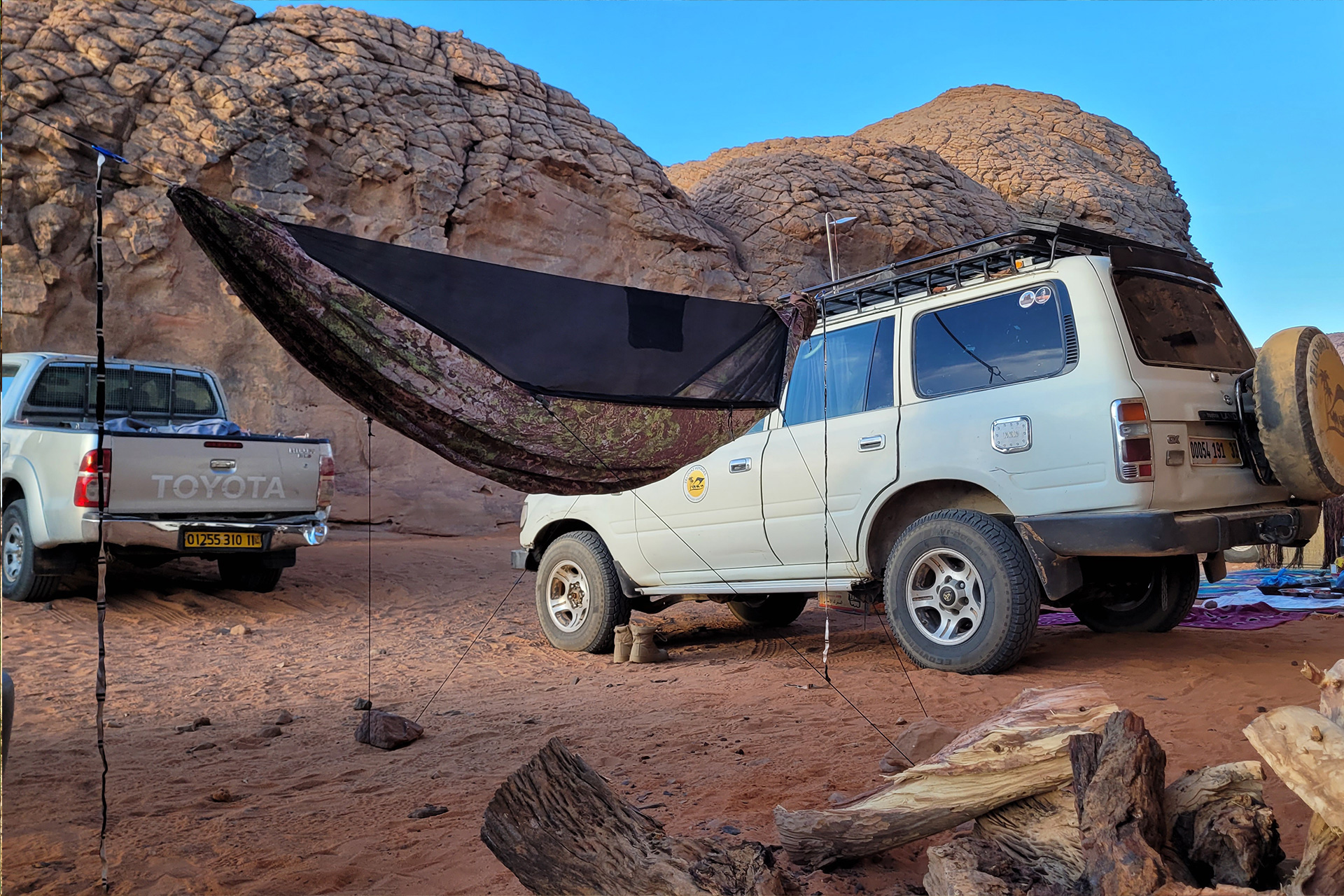
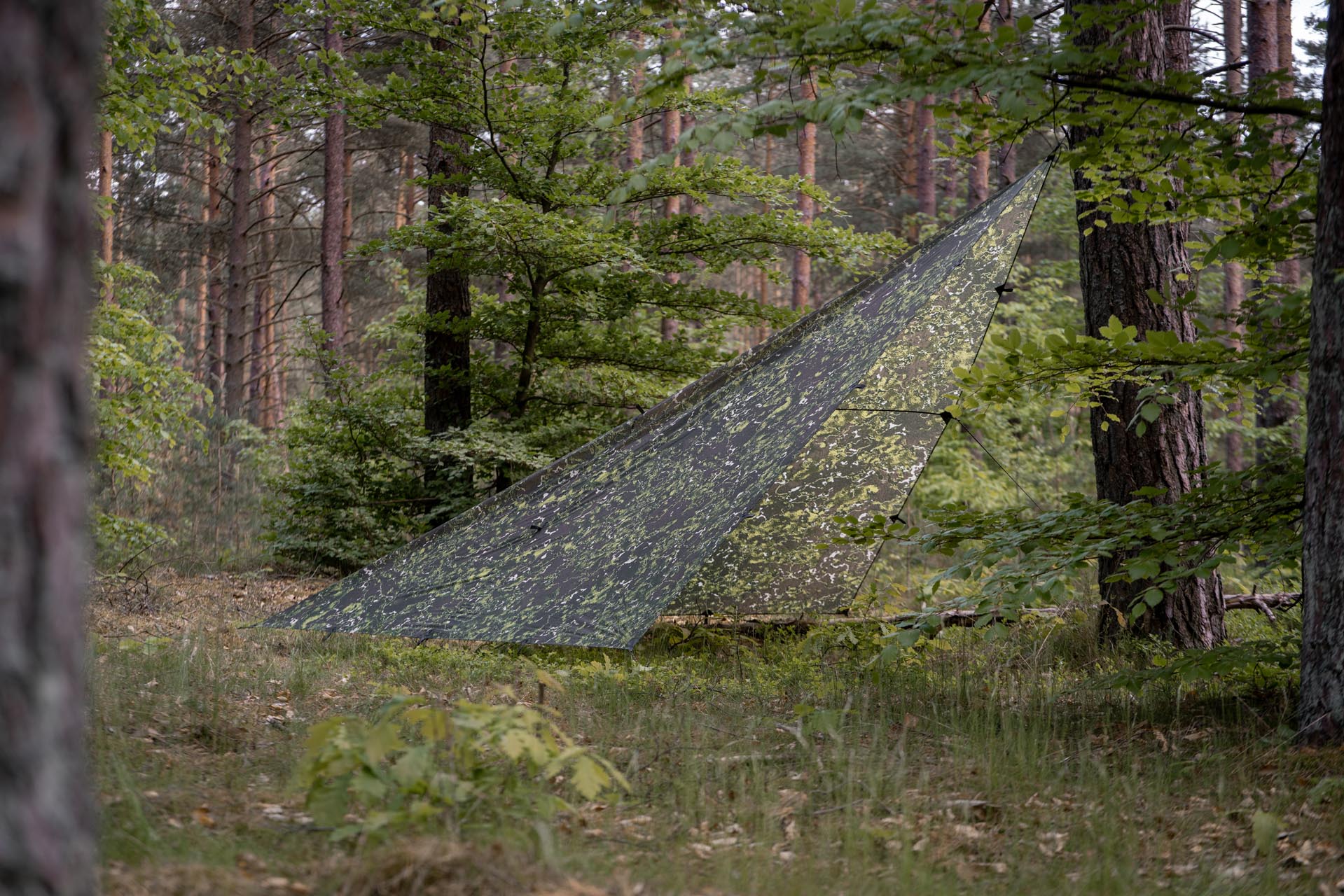
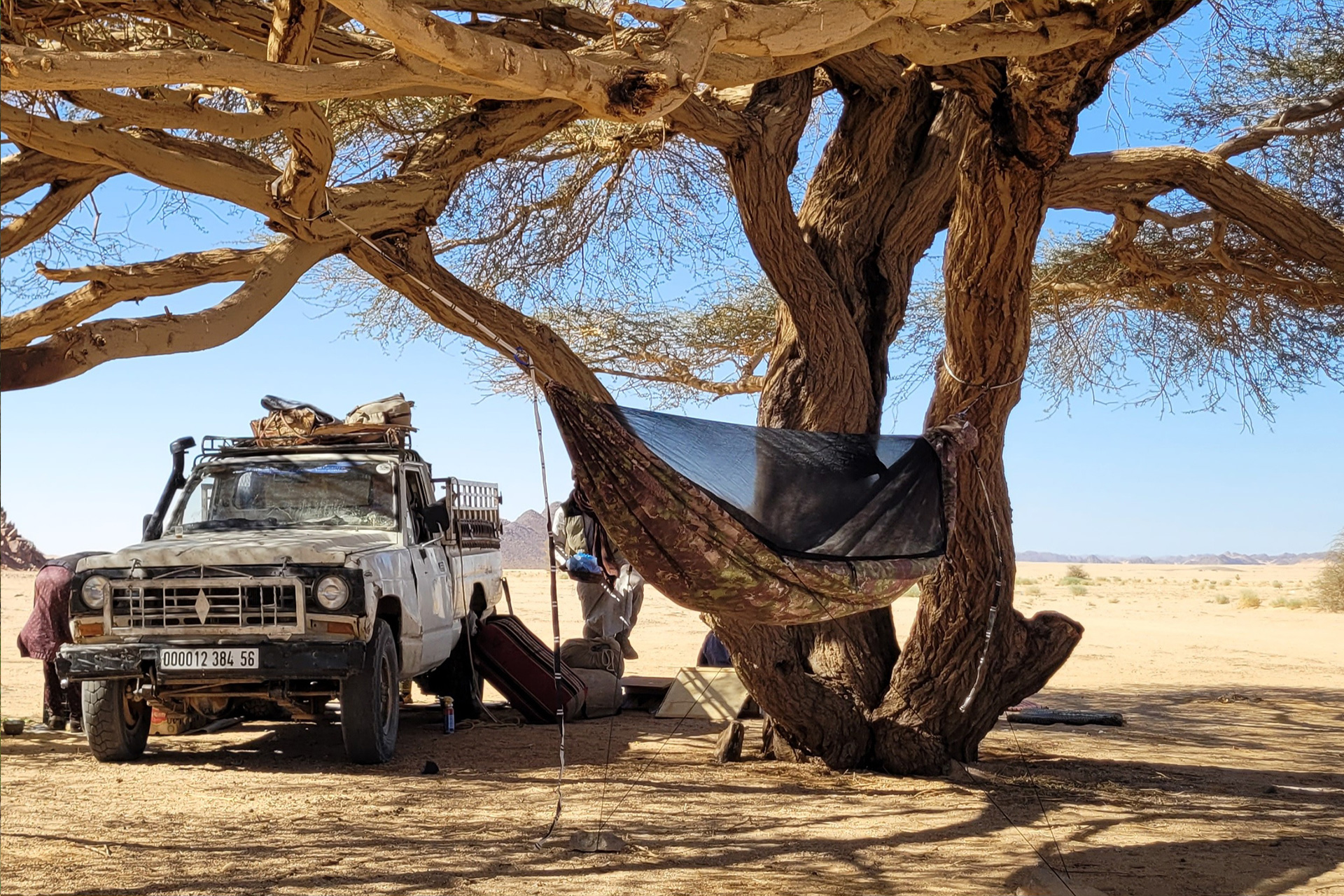
According to Lesovik, one of the main shortcomings of modern camouflage systems is pattern repetition, which, when applied over large surfaces, can result in regular structures that are easier for an observer to detect. Another weakness of many camouflage patterns is an improperly selected scale. Modern designs are often optimized for a single observation distance, causing their effectiveness to decrease significantly as the viewing distance changes. When these drawbacks are combined with the frequently encountered lack of a complete camouflage architecture, the effectiveness of concealment drops dramatically. FARBA was developed specifically to address these issues. The primary objective of the Polish manufacturer was to create camouflage for objects that fall between the size of a person and that of a vehicle. This category of equipment is often overlooked by traditional camouflage patterns. One example of FARBA's implementation is the HEKSA tarp from Lesovik's standard product range, a shelter designed for use with hammocks. This model features a hexagonal shape measuring 360 × 300 cm and is available in the two new camouflage patterns introduced by Lesovik. Another example is the GROZA tarp, measuring 300 × 300 cm and designed as a universal field shelter.
One of the most important features of the new system is its exceptionally large pattern repeat measuring 150 × 450 cm. According to Lesovik, this is one of the key differences compared to conventional camouflage patterns, whose repeat is usually much smaller, typically around 150 × 80 cm. The large size of each individual visual arrangement minimizes the formation of repetitive structures on large objects. However, the pattern repeat alone would not be sufficient without an appropriate scale of the elements that make up the design, which is why FARBA introduces an additional structural layer referred to as the super macro pattern.The FARBA system employs a multi-layered pattern architecture consisting of textures, micro-pattern, meso-pattern, macro-pattern, and an additional super macro pattern. Each structural layer serves a different function depending on the observation distance. The finest layers are responsible for creating visual noise and blending with the surrounding environment, while the larger visual structures help break up the object's silhouette when viewed from greater distances. According to the manufacturer, the inclusion of the super macro pattern as the highest structural layer is one of the unique characteristics of the FARBA system and distinguishes it from many traditional camouflage design approaches. FARBA camouflage patterns have been optimized for observation at distances ranging from just a few meters to several dozen meters, with the scale of each pattern element selected based on the resolution of the human eye and the visual density of the natural environments in which the products are intended to be used. Another design principle of the system is multidirectionality. This means the patterns have been designed to maintain their visual structure regardless of the orientation of the material. The pattern can be rotated at any angle without losing its camouflage effectiveness.
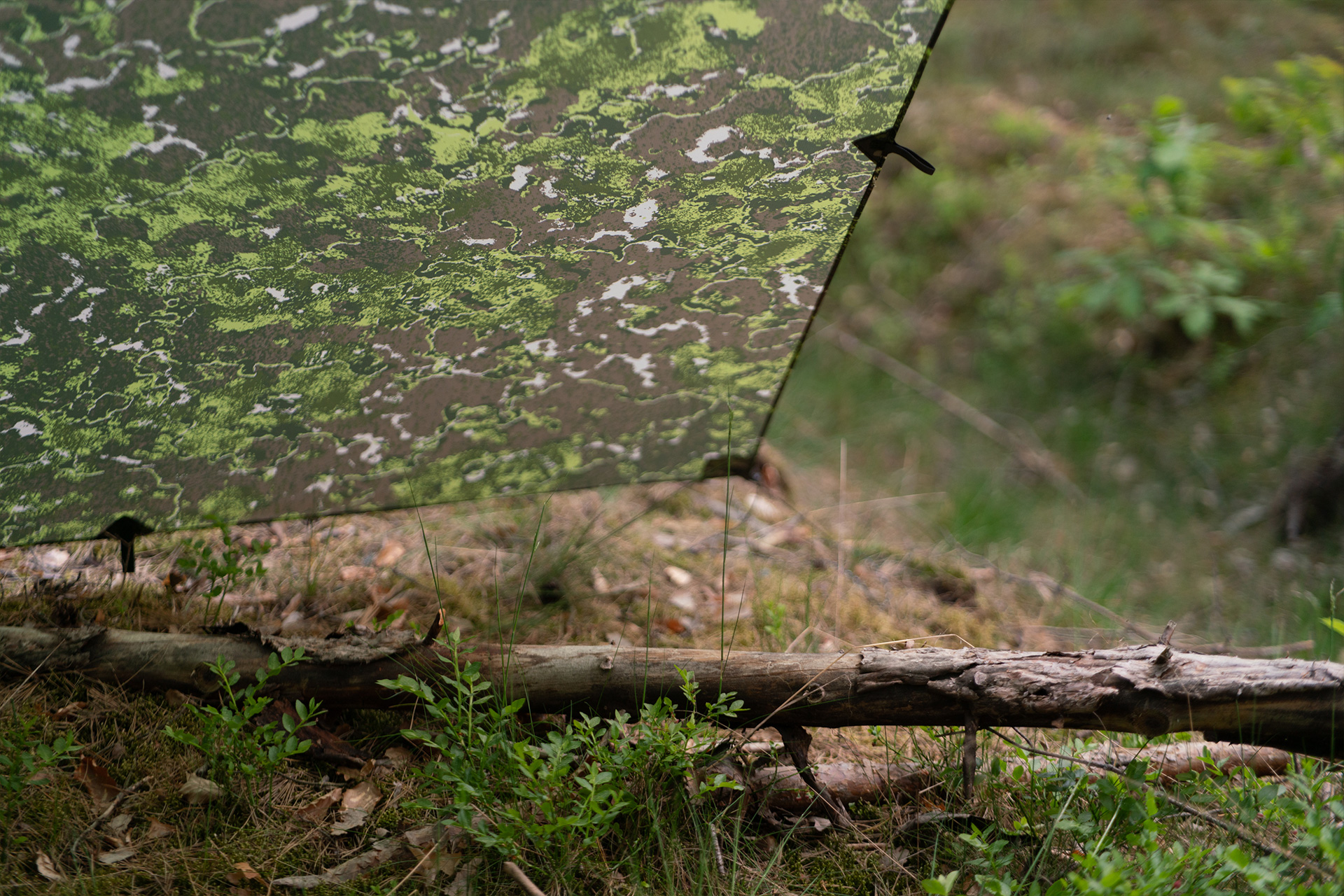
The FARBA patterns are created using a proprietary generative design process developed by Lesovik. However, the company emphasizes that the system does not rely on artificial intelligence tools for pattern creation. The camouflage architecture is generated using the company's own generative framework and internally developed design tools. Every structural component of the pattern remains fully parameterized and can be freely modified. The first phase of the system consists of two camouflage patterns.
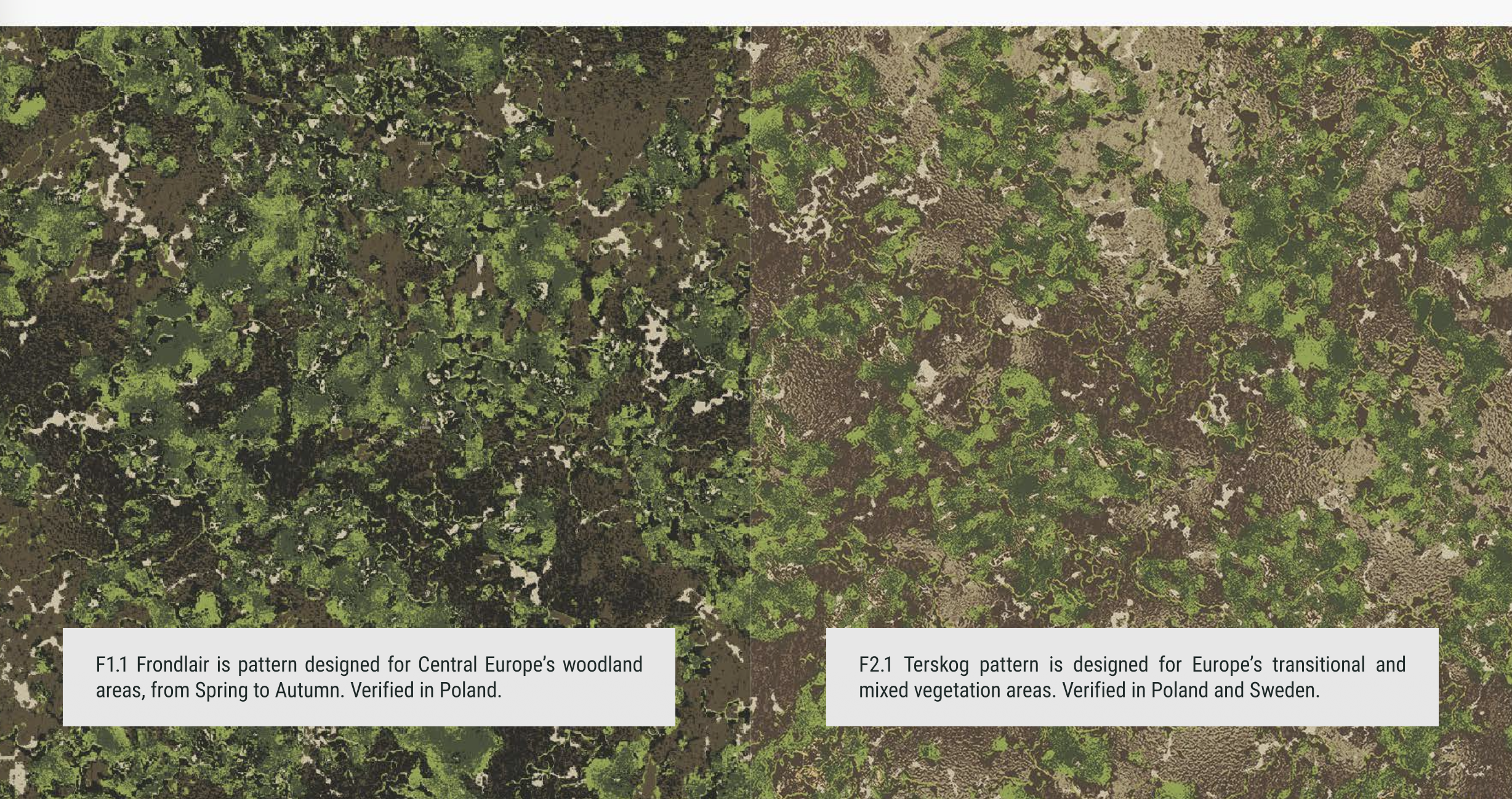
The first of them, F1.1 Frondlair, was designed for Central European forests during the period from spring to autumn. According to the manufacturer, field trials validating the pattern were conducted in Polish forests. The second pattern is F2.1 Terskog, intended for European environments characterized by mixed and transitional vegetation. Terskog was tested in both Polish and Swedish forests. These two variants are only the beginning of the FARBA system's development. Lesovik plans to expand the range with an autumn version featuring predominantly brown and beige tones, as well as a winter variant. Unfortunately, FARBA is not a multispectral camouflage system. The current generation has been developed exclusively for concealment within the visible light spectrum. This means the manufacturer does not claim any capability to reduce detectability in infrared, thermal imaging, or any spectrum outside visible light.
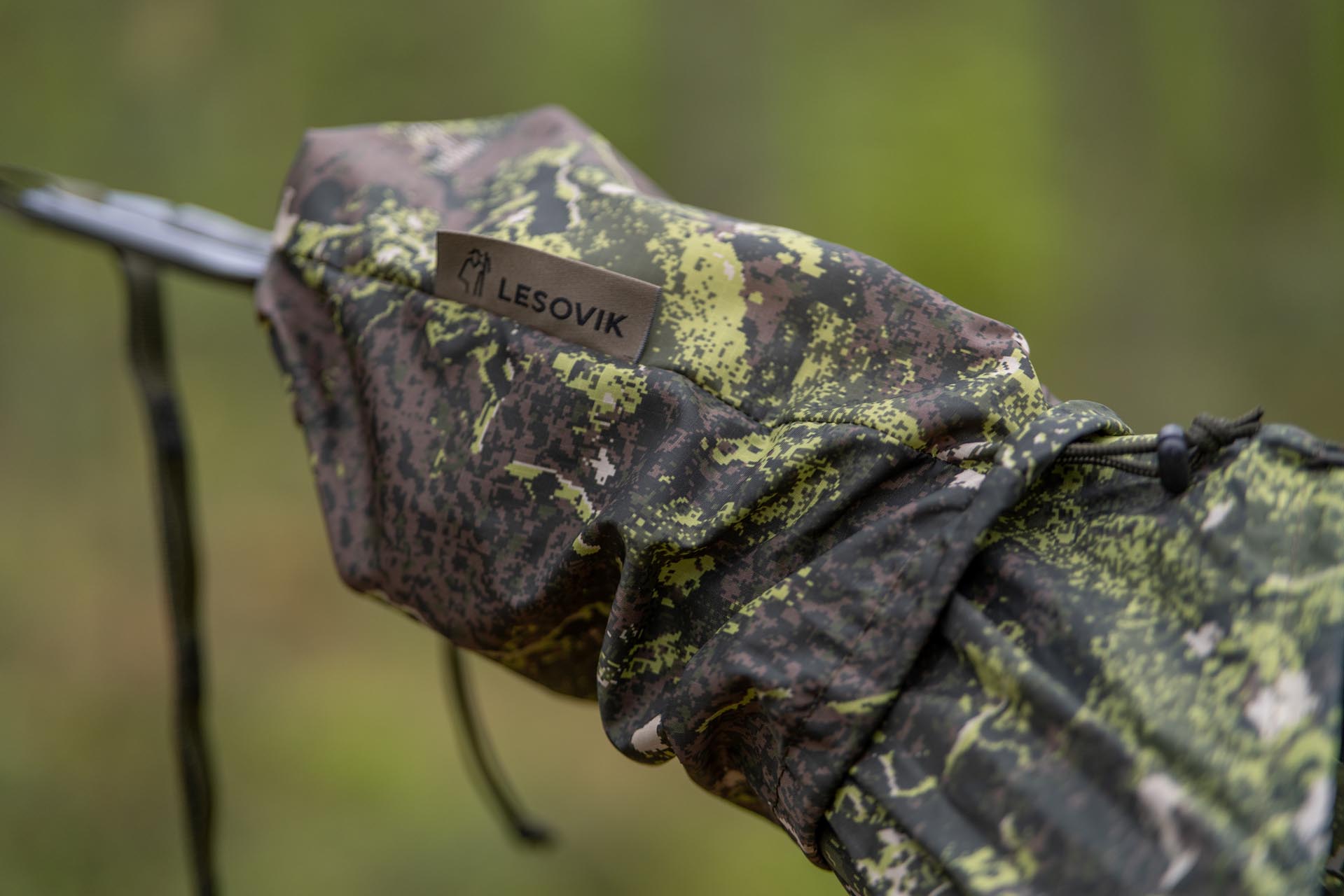
According to Lesovik, FARBA can be used both in civilian camping equipment for users who want to remain discreet in the wilderness and by professional users requiring high-quality equipment with reduced visual detectability.
Photos: Lesovik, @bushcraft.jack (Jakub Kasprzak), Rafał Palowski